Amazon Fire TV Stick 4K: 40% Speed Claim and Asymmetric Remote, but There Are Caveats
Baca dalam 60 detik
- Amazon merilis Fire TV Stick 4K dengan harga $59,99, mengklaim proses booting 20-40% lebih cepat dari pesaing sekelasnya, namun benchmark independen belum tersedia.
- Remote didesain ulang dengan bentuk asimetris dan tombol pintasan yang dapat dikustomisasi, dijual terpisah sekitar $14,99.
- Perangkat ini menjalankan Vega OS yang dilaporkan membatasi sideloading aplikasi Android, dan tidak mendukung Dolby Vision.
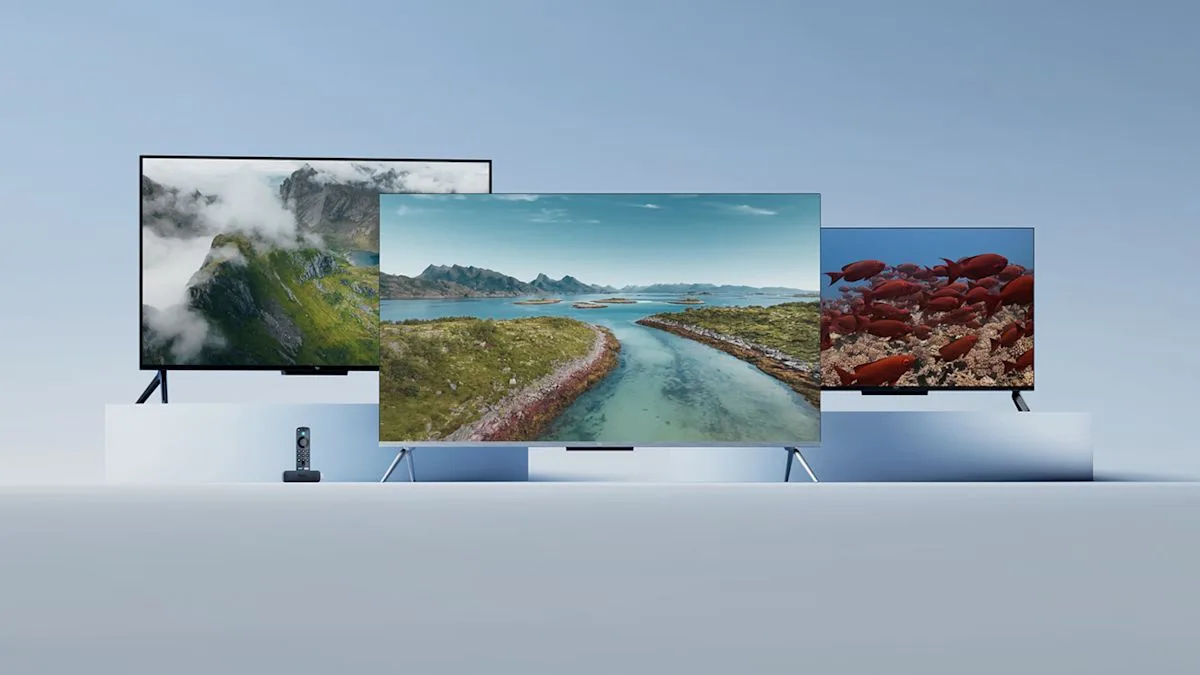
Amazon officially launched the latest generation Fire TV Stick 4K on September 30, 2026, at a retail price of $59.99. The device promises up to 40% faster content access than similarly priced 4K streaming sticks, and comes with a remote featuring an asymmetric design that is claimed to be easier to use without looking.
In Amazon's internal testing, the device is said to cut the time from power-on to content display by 20% to 40%, open apps more than 35% faster, and start video playback nearly 20% sooner. Amazon also claims the stick beats the built-in interfaces of three 4K smart TVs in its own testing. However, all those figures come from Amazon's lab, not independent benchmarks. The comparison devices, testing conditions, and network configuration were not disclosed in detail.
Its technical specifications include a 1.7GHz quad-core processor, 8GB of internal storage, Wi-Fi 6, Bluetooth 5.3, and Bluetooth Low Energy. Video format support includes HDR10+, HLG, AV1, H.265, H.264, and VP9. Unfortunately, Dolby Vision is not confirmed for this model. Buyers who need Dolby Vision are advised to consider the more expensive Fire TV Stick 4K Max.
The new remote is an attraction in itself. Its shape is asymmetric—flat at the top, curved and weighted at the bottom—so users can recognize its orientation by touch alone. Frequently used buttons have different surfaces and indentations. There are also customizable shortcut buttons to open specific apps or activate features such as closed captions and screen magnification. This remote is also sold separately for about $14.99 and is scheduled to be available in late October 2026. Amazon also announced the Fire TV Remote Plus with an aluminum body, backlit buttons, and a Find My Remote function, which will only arrive in early 2027 and is not included with this device.
On the software side, this Fire TV Stick 4K runs Vega OS, not the previous generation Fire OS, and already includes Alexa+. Reports say Vega OS could potentially restrict or block Android-style sideloading of apps outside Amazon's official store. Amazon has not provided official clarification on this limitation, so users who rely on sideloading should review the final documentation before buying. The Direct Power feature allows the stick to draw power from a compatible TV USB port, reducing cable clutter, though success depends on the TV's USB output capacity.
"Amazon's speed claims deserve appreciation, but without third-party verification, those numbers remain marketing material," noted a technology review, underlining the importance of independent testing.
For consumers in Indonesia, this device may not be officially available. Amazon launched the Fire TV Stick 4K in the United States, Canada, the United Kingdom, Ireland, Germany, France, Italy, Spain, Switzerland, Australia, New Zealand, Japan, and Mexico. In the global market, this device competes with Google Chromecast, Xiaomi Mi Stick, and various Android TV boxes that are more open to sideloading. Tight regulations in some destination countries are also a challenge for Amazon and other cloud service providers.
Going forward, the real test is whether the performance Amazon claims holds up in independent reviews. If it does, the Fire TV Stick 4K could be an attractive choice for users who prioritize speed and an ergonomic remote. However, if you need Dolby Vision or like installing apps outside the official store, other options such as the Fire TV Stick 4K Max or competing platforms may be more suitable. Will Amazon open the sideloading tap on Vega OS, or will it close its ecosystem even further?