Prisons Director General Admits No Budget for Prison CCTV: Security at Stake, Wardens Dip Into Their Own Pockets
Baca dalam 60 detik
- Direktorat Jenderal Pemasyarakatan memastikan tidak ada alokasi fiskal untuk pengadaan kamera pengawas di seluruh lapas dan rutan pada 2026.
- Terbongkarnya fasilitas mewah di Lapas Cibinong memicu sorotan DPR terhadap lemahnya pengawasan berbasis teknologi di lingkungan pemasyarakatan.
- Tanpa intervensi anggaran, risiko penyalahgunaan wewenang dan peredaran barang terlarang di dalam lapas berpotensi terus berulang.

The Director General of Corrections at the Ministry of Immigration and Corrections, Mashudi, stated that his institution has no budget to install CCTV cameras across all correctional facilities and detention centers in Indonesia throughout 2026. The statement comes amid public scrutiny over the discovery of luxury facilities at Class IIA Cibinong Prison, West Java, which is seen as exposing weak oversight inside prisons.
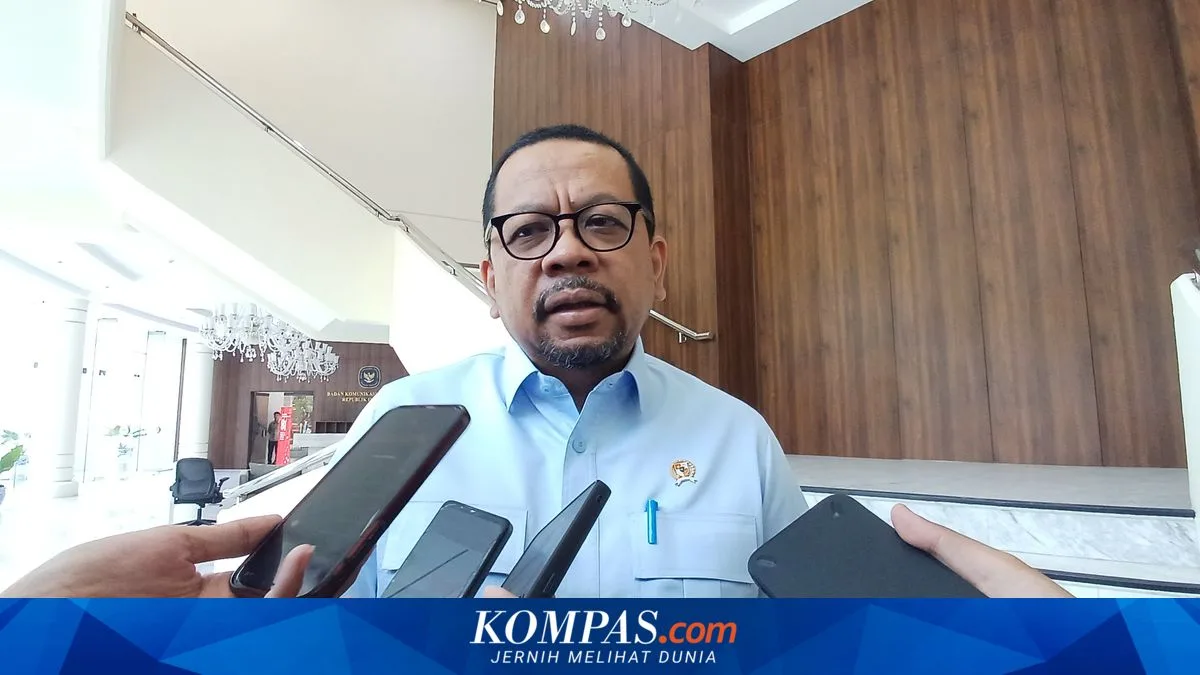
The admission was made by Mashudi during a meeting with House Commission XIII at the Senayan Building, Jakarta, Monday (28/9/2026). A Commission XIII member from the PKB faction, Prana Putra Sohe, raised the issue of CCTV that is deemed not functioning optimally. According to Prana, the Cibinong problem is not an isolated case but a symptom that is nearly uniform across many prisons in the country.
"This incident finally lifts the veil on the rot in corrections. Not only in Cibinong, but in almost all prisons," Prana said during the meeting.
Prana said the practice of renting luxury facilities inside prisons could reach Rp 15 million to Rp 40 million. He urged Mashudi to carry out comprehensive reforms, from the security system, staffing, to services. According to him, procurement of less useful goods should be redirected to technology investment, such as CCTV and a centralized monitoring system.
In response, Mashudi stressed that his office has a strong desire to bring electronic equipment into prisons and detention centers. However, fiscal constraints are the main obstacle. He even said several prison and detention center heads had to spend personal funds to install surveillance cameras.
"We are not dodging. In 2026 there is indeed no budget. We want a central command center, but that is the obstacle," Mashudi said.
This statement shows that the problems in corrections are not only about human resources, but also about lagging surveillance infrastructure. Yet prisons and detention centers are hotspots for drug trafficking, illegal levies, and various forms of abuse of authority. Without technology-based oversight, those gaps are hard to close.
For readers in Indonesia, especially investors and professionals, this issue is not merely a legal matter. Uncertainty in prison management can affect the investment climate, particularly when it concerns trust in law enforcement and government governance. Delayed corrections reform also risks burdening the state budget in the future, because unresolved problems will keep recurring.
The House through Commission XIII has a strategic position to push for budget reallocation. If lower-priority procurement can be redirected to surveillance systems, the corrections function can run more accountably. However, without political will and careful planning, this discourse will only stop as a debate in meeting rooms.
Going forward, the public will wait to see whether the government includes CCTV procurement and a centralized monitoring system in its 2027 work plan. The question is, how long will prison security depend on the personal initiative of prison heads, rather than on the state budget that should cover it?