Jakarta Targets Moving Utility Cables Underground Within Five Years, Can It Deliver?
Baca dalam 60 detik
- Pemprov Jakarta mencanangkan pemindahan seluruh jaringan kabel udara ke bawah tanah dalam rentang lima tahun.
- Langkah ini berpotensi mengubah wajah kota, tetapi menuntut koordinasi lintas operator dan pembiayaan besar.
- Keberhasilan program akan menjadi tolok ukur reformasi infrastruktur perkotaan di Indonesia.
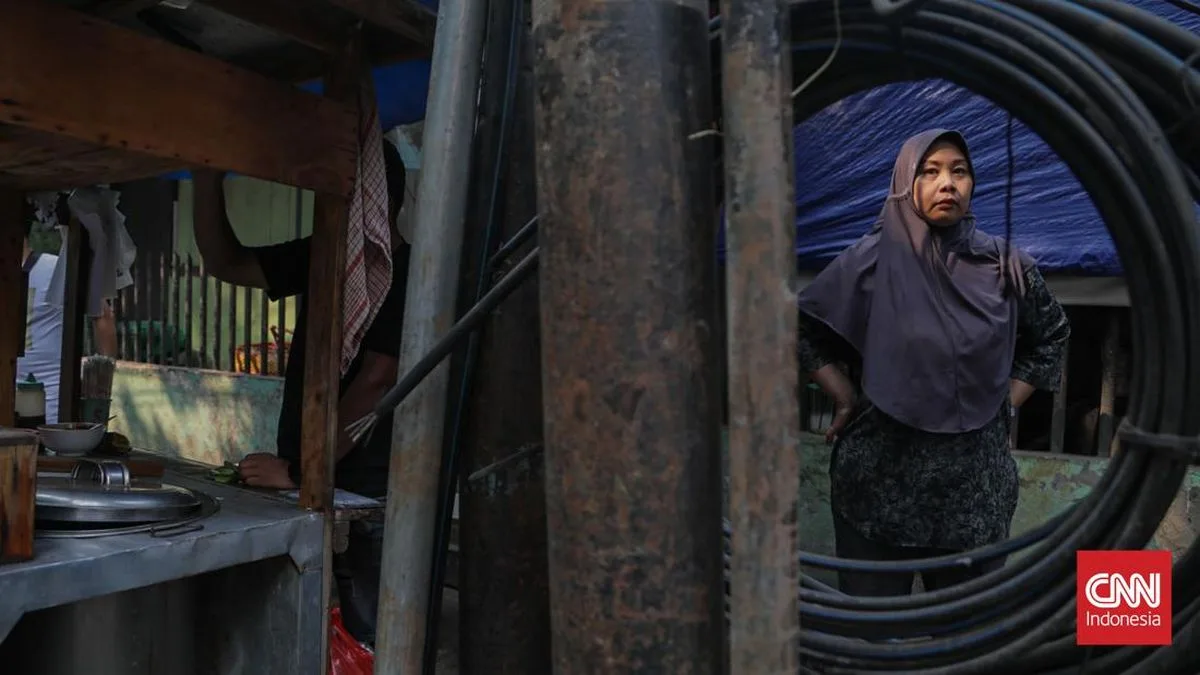
The DKI Jakarta Provincial Government has set an ambitious target: moving all utility cables currently strung overhead underground within five years. The policy was announced following public scrutiny of the chaotic, dangling optical cables along several stretches of the capital's roads, including the Kuningan Barat area in South Jakarta, as seen in photo documentation on Monday (28/9/2026).
The target is not merely a political promise. Jakarta has faced years of criticism over overlapping utility governance. Various telecommunications, electricity, and clean water service providers place their networks above ground without adequate coordination. As a result, beyond damaging the city's aesthetics, the dangling cables also risk causing accidents, fires, and service disruptions during extreme weather.
The underground cable reorganization program is in fact not new. Several stretches of protocol roads in Jakarta have already implemented a ducting system or integrated cable channels. However, implementation has often stalled due to differing interests among operators, budget constraints, and land acquisition processes for excavation. This time, the provincial government asserts that the five-year deadline is a binding work reference.
Urban planning observers assess that the program's success depends heavily on two factors: regulatory certainty and funding schemes. Without rules requiring operators to bear the relocation costs, the target risks remaining mere discourse. Conversely, if the local government can provide clear incentives and sanctions, underground investment could become a new standard.
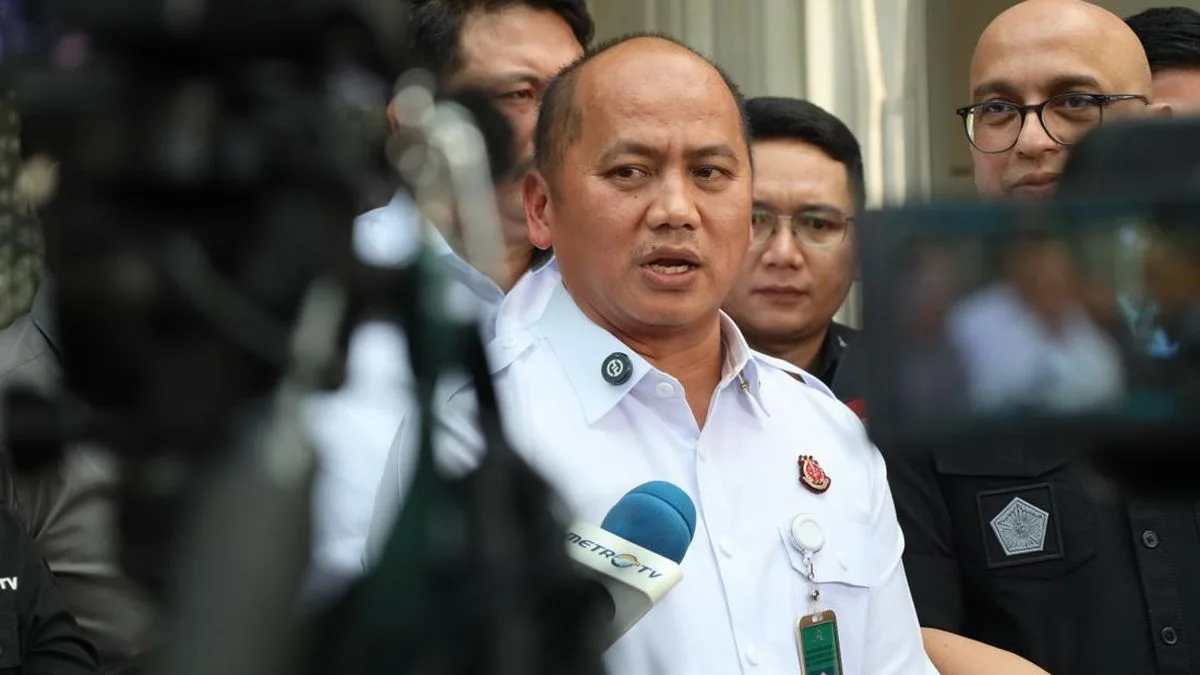
"Reorganizing overhead cables is a long-standing homework that demands political will and multi-party collaboration. Jakarta can no longer delay," said an unnamed DKI provincial government official, as quoted from a news source.
From a budget perspective, moving cables underground requires no small cost. A rough estimate for excavation, ducting installation, and network reconnection could reach trillions of rupiah. The provincial government has the opportunity to partner with the private sector through a government-business cooperation scheme (KPBU), but that still requires an attractive investment return guarantee.
For Jakarta residents, the most immediate impact is traffic disruption during the construction period. Excavation on main road stretches could worsen already chronic congestion. Therefore, thorough planning and phased scheduling are key to ensuring the program does not create new problems.
Beyond technical aspects, this program also carries a legal dimension. So far, many cables have been installed without official permits or not in accordance with standards. Enforcement will force operators to fix the legality of their assets. If not, the local government may carry out unilateral disconnection leading to disputes.
Jakarta's success in completing this five-year target will set a precedent for other cities in Indonesia. Surabaya, Bandung, and Medan face similar problems. If Jakarta can show real results, it is not impossible that a similar reorganization model will be replicated nationally.
However, the crucial question: is the five-year deadline realistic given the complexity of bureaucracy and sectoral ego? The public will wait to see whether this promise is executed with a transparent road map or becomes another stalled project. Only with strict oversight can the dream of a city without chaotic cables be realized.