Israel Captain Manor Solomon Sparks Tension with Ireland: 'Our Country Is 10 Times Better'
Baca dalam 60 detik
- Manor Solomon, kapten timnas Israel, menyatakan negaranya jauh lebih unggul dari Irlandia setelah kekalahan 0-3 di Nations League.
- Pernyataan tersebut memperkeruh hubungan kedua tim yang sudah memanas akibat aksi protes pemain Irlandia terhadap agresi militer Israel di Gaza.
- Laga ulangan dijadwalkan di Serbia pekan depan, berpotensi menambah tensi politik di dunia sepak bola Eropa.
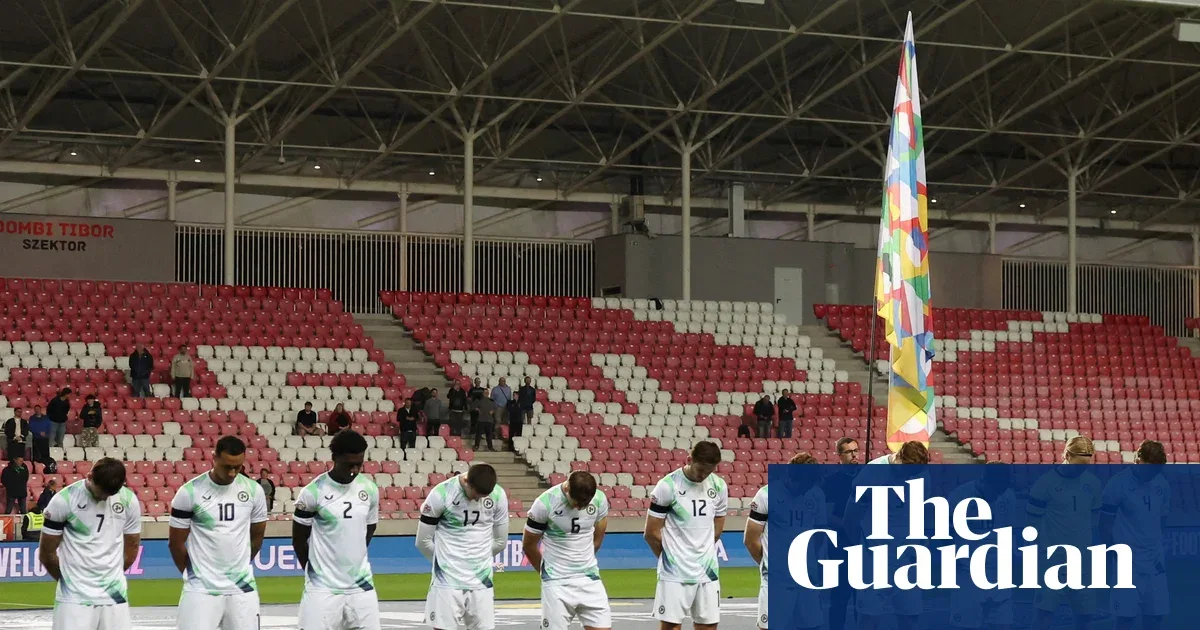
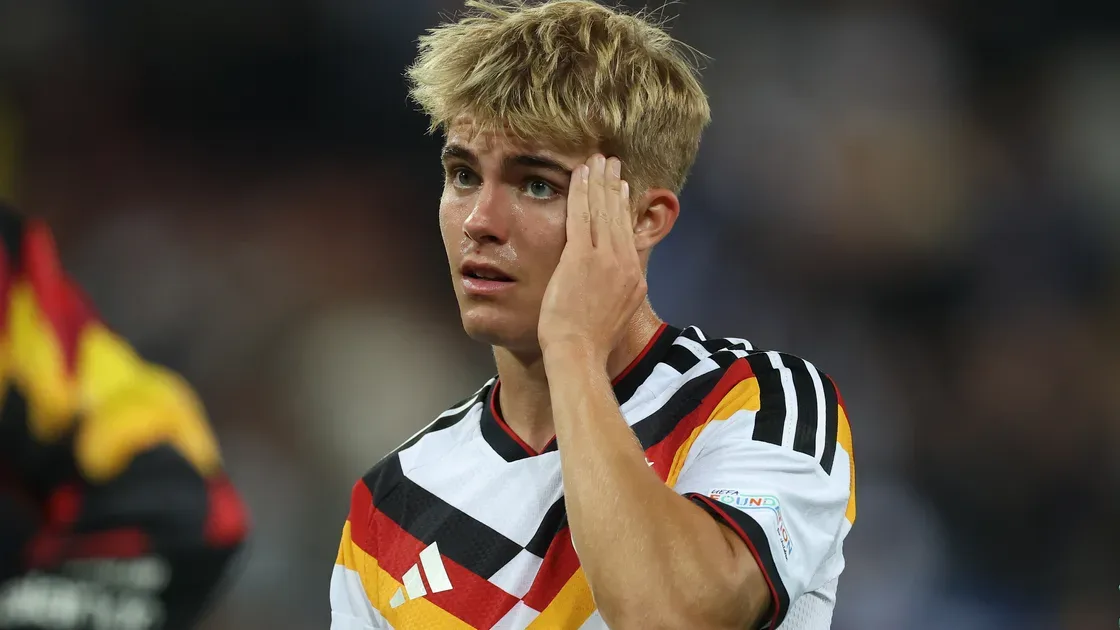
Israel national team captain Manor Solomon added fuel to the feud with Ireland after the Nations League match. In an interview with the Sport 5 channel, the West Ham player called his country "10 times better" than Ireland and asserted, "They hate us and we don't like them."
The statement came after Israel's 0-3 defeat to Ireland in Debrecen, Hungary, on Sunday (28/9). The match was marked by protests from Irish players who refused to shake hands and exchange pennants with their opponents, and who lowered their gaze during the Israeli national anthem. The gesture was a form of condemnation of Israel's military operation in Gaza, which has killed tens of thousands of people.
Solomon, who wore the captain's armband, said he was reluctant to state his thoughts plainly for fear of sanctions. "If I said what I think, I might be banned for a few matches," he said. He then added, "They are not attractive to me. We have a country 10 times better, stronger. We are proud to be Israeli, proud of our army."
This tension is not merely a sideshow to the match. European football is increasingly a stage for political expression, especially regarding the Gaza conflict. Ireland's protest reflects a wave of public opinion in that country that is vocal in opposing Israel's policies. Conversely, Solomon's statement reflects the nationalist sentiment rooted among Israeli players and supporters.
"They can do all sorts of things, we remain Israel, we love our country," Solomon said emphatically.
For Indonesia, this dynamic is a mirror of how geopolitical issues can seep onto the green pitch. As the country with the largest Muslim population and a staunch supporter of Palestine, Indonesia often voices condemnation of Israel's actions. When athletes like Solomon make rhetoric that reinforces a narrative of superiority, it has the potential to widen the perception gap between the European football world and countries that support Palestinian independence.
PSSI and Southeast Asian football federations need to pay close attention to this development. If tensions continue, calls for a boycott or rejection of the Israeli team's presence at international tournaments involving Muslim countries could well emerge. The impact could be felt in the 2030 World Cup qualifying schedule or other regional events.
The return match in Serbia next week will be a test of whether the two teams can restrain themselves or instead become involved in a more open conflict. The global football public is waiting: will the match proceed merely as a sporting event, or be dragged back into an endless political vortex?