UK Defence Minister Signals Early Detection of Bomb Plot at RAF Fairford Base
Baca dalam 60 detik
- Lima pria ditangkap setelah polisi menemukan bahan peledak di tiga van yang diparkir dekat RAF Fairford, pangkalan yang dipakai misi Angkatan Udara AS.
- Menteri Pertahanan Wes Streeting menyatakan aparat keamanan telah memiliki informasi awal, namun enggan merinci karena penyelidikan masih berlangsung.
- Warga yang melaporkan kejadian mempertanyakan pengawasan di sekitar pangkalan, memicu diskusi tentang celah pengamanan aset militer strategis.

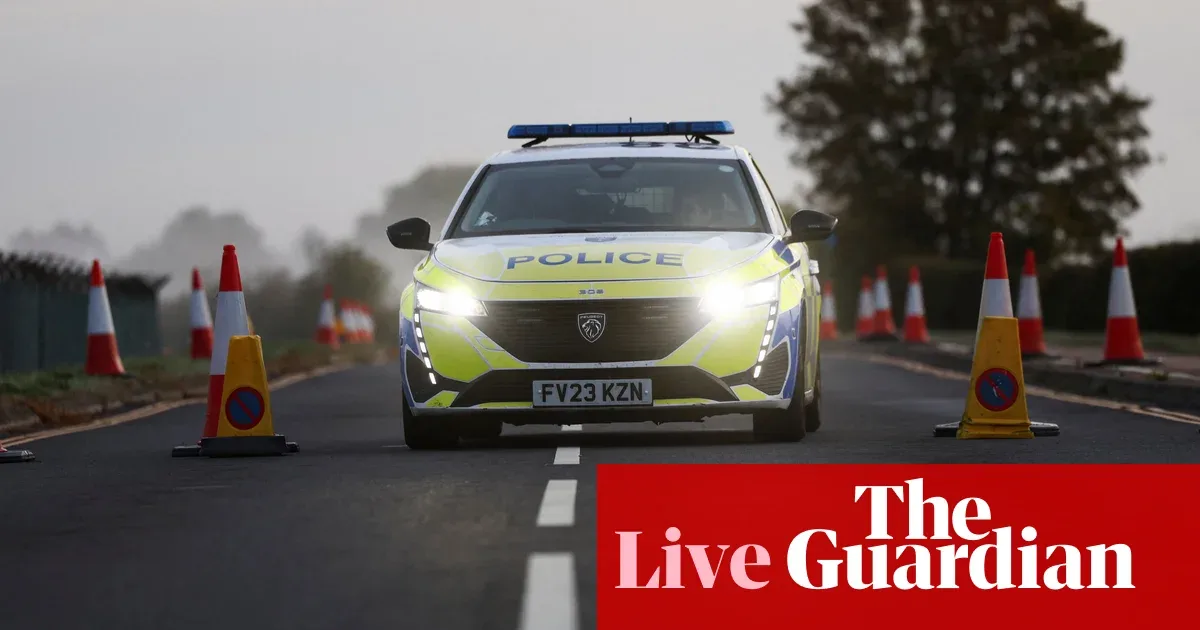
The UK government indicated that national security agencies had received advance information about a plan to bomb a Royal Air Force (RAF) base used by the US military. The statement came after five men were arrested on terrorism charges following the discovery of explosives in three vans parked near RAF Fairford, Gloucestershire.
Defence Minister Wes Streeting, in an interview with BBC Radio 4, expressed appreciation to residents who reported suspicious activity, but stressed that the informant had only a "partial picture" of the actual situation. He referred to a statement by US President Donald Trump claiming the suspects had long been under surveillance. Streeting did not dispute the claim, instead calling Trump's acknowledgement a "proud moment" for intelligence cooperation between the two countries.
The incident began when a local resident driving home from a party in the early hours saw three white vans blocking the road to her farm in Whelford village. After turning around, she saw a group of masked men in balaclavas who immediately fled. Her suspicion peaked and she contacted Ministry of Defence police and the 999 emergency service. In her statement to the BBC, the woman, who chose to remain anonymous, said she was "absolutely shocked" that the report came from civilians rather than routine security patrols. "It seems someone was negligent in this regard," she said.
Streeting declined to disclose details of the early information held by authorities or the identities of the suspects. He reasoned that the investigation is still ongoing and excessive disclosure could benefit those with malicious intent. The statement reinforced suspicions that an intelligence operation had been running before the arrests, although the effectiveness of on-the-ground surveillance remained in the spotlight.
"I was very surprised because someone should have been monitoring the roads around the base perimeter and conducting routine patrols in the village," said the informant, who chose not to be named.
Criticism of military base security is nothing new. RAF Fairford, long a landing site for B-52 bombers and a US strategic operations hub, carries high risk as a target. However, the incident showed that perimeter defence layers may not be fully integrated with community surveillance. A security analyst who declined to be named assessed that the event could prompt a re-evaluation of security protocols at military bases across the UK, especially those linked to overseas operations.
For Indonesia, this event is an important mirror. Strategic military bases in the country, such as Halim Perdanakusuma or Iswahjudi Air Base, also face similar challenges: how to balance operational secrecy with transparency and participation from surrounding residents. When civilians become the first eyes and ears, the speed of the authorities' response is decisive. The RAF Fairford case shows that early detection is not enough without solid on-the-ground coordination.
Going forward, the investigation will determine whether the "long-term surveillance" claim is true or merely a post-facto justification. What is clear is that the incident raises a big question: how ready is defence infrastructure to face fast-moving asymmetric threats? If civilians can become accidental heroes, why did the formal security system not move earlier?