Philippines Frees Mary Jane, Indonesia Stresses Respect for Legal Sovereignty
Baca dalam 60 detik
- Presiden Filipina Ferdinand Marcos Jr. memberikan pengampunan penuh kepada Mary Jane Veloso, terpidana mati kasus narkotika yang ditangkap di Yogyakarta pada 2010.
- Pemerintah Indonesia melalui Menko Yusril Ihza Mahendra menyatakan menghormati keputusan tersebut sebagai konsekuensi perjanjian pemindahan narapidana yang bersifat timbal balik.
- Pembebasan ini menegaskan preseden diplomasi hukum antara Jakarta dan Manila, sekaligus membuka diskusi mengenai perlindungan WNI yang terjerat kasus serupa di luar negeri.
Mary Jane Veloso, a death-row inmate in a narcotics case, has officially walked free after Philippine President Ferdinand Marcos Jr. granted her full pardon on 25 September 2026. The decision closes a long chapter in a case that has strained Indonesia-Philippines diplomatic ties since her arrest at Adisutjipto Airport, Yogyakarta, in April 2010.
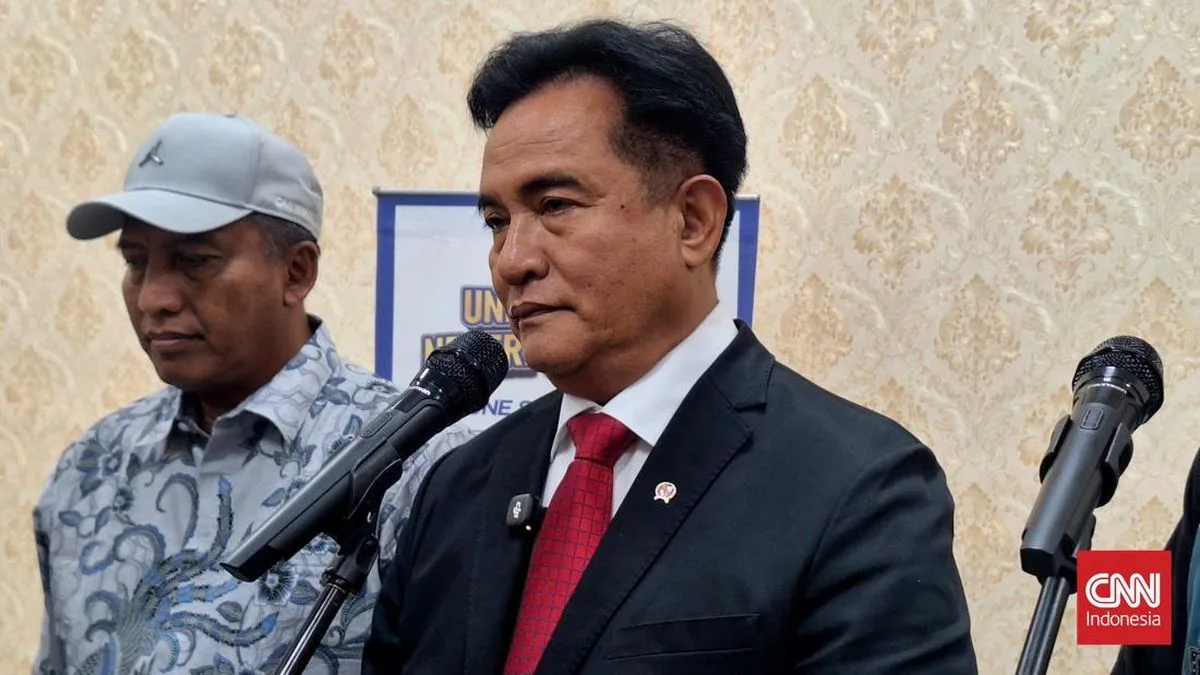
Coordinating Minister for Law, Human Rights, Immigration, and Corrections Yusril Ihza Mahendra stressed that Jakarta does not question Manila's move. According to him, the government had been aware of the development and has fully handed over responsibility for Mary Jane's rehabilitation to Philippine authorities under the prisoner transfer agreement signed by both countries.
"The Indonesian government respects whatever decision is taken by the Philippine government," Yusril said in a written statement on Saturday (26/9).
The statement was not mere diplomatic courtesy. Yusril explained that the prisoner transfer agreement between Indonesia and the Philippines is reciprocal. This means that if one day an Indonesian citizen is repatriated from the Philippines, responsibility for their rehabilitation automatically shifts to the Indonesian government—including the Indonesian President's authority to grant clemency or release.
Mary Jane's case is indeed unique. She was not only a narcotics convict but also a victim of a human trafficking network that promised her work in Malaysia. The 2015 postponement of her execution became a turning point when Manila managed to convince Jakarta that her testimony was crucial to dismantling the syndicate. Since then, legal proceedings and diplomacy moved in tandem until the transfer was finally agreed in December 2024.
For Indonesia, the Philippine move shows that cross-border legal cooperation can proceed without sacrificing each country's sovereignty. However, some observers argue that Mary Jane's release could trigger ethical questions: will a full pardon for a narcotics convict weaken the deterrent effect in the region? The Philippine government's reasoning is that Mary Jane was a victim, not a main perpetrator.
From the perspective of bilateral relations, Marcos Jr.'s decision strengthens the foundation of trust built since the December 2024 repatriation. Indonesia and the Philippines now have a concrete precedent for handling cross-border prisoners, including similar cases that may arise in the future. The reciprocal agreement serves as a safety net so that no party feels disadvantaged.
What needs to be watched is that the implementation of the reciprocity principle has never been tested from Indonesia's side. No Indonesian citizen prisoner in the Philippines has been repatriated under this agreement. If that happens one day, the public will see whether Yusril's promise—that the Indonesian President has the right to grant clemency—truly materializes. The real test is not Mary Jane's release, but the consistency of both countries in carrying out the same agreement.
Going forward, this case could serve as a reference for other ASEAN countries facing a similar dilemma: enforcing strict anti-narcotics laws while still opening humanitarian space for victims. Will Indonesia adopt a similar approach in prisoner transfer agreements with other countries? The public awaits the next concrete step.