Cibinong Prison Scandal: When Luxury Behind Bars Exposes Governance Gaps
Baca dalam 60 detik
- Ombudsman RI menemukan fasilitas eksklusif di Lapas Cibinong yang diduga bisa diakses dengan bayaran, memicu investigasi Kementerian Imigrasi dan Pemasyarakatan.
- Temuan ini mengungkap potensi komersialisasi fasilitas lapas yang mengancam prinsip kesetaraan hukum dan integritas sistem pemasyarakatan.
- Pemerintah berjanji menuntaskan penyelidikan, namun publik menanti langkah konkret reformasi tata kelola lapas untuk mencegah praktik serupa.
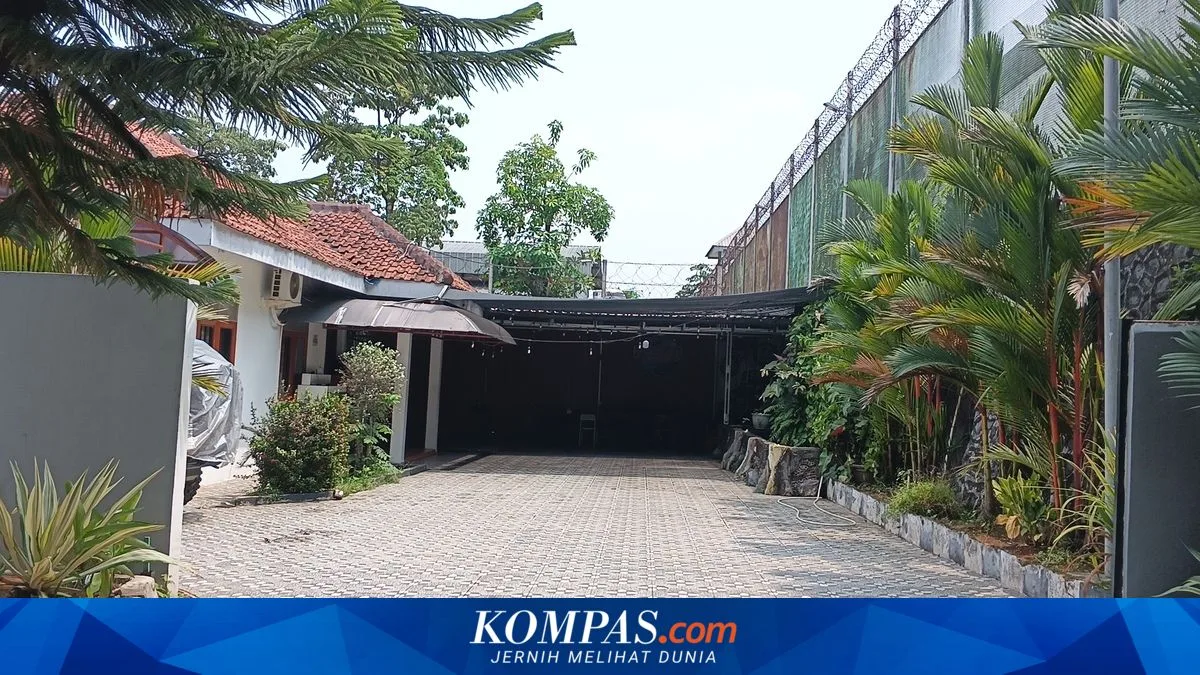
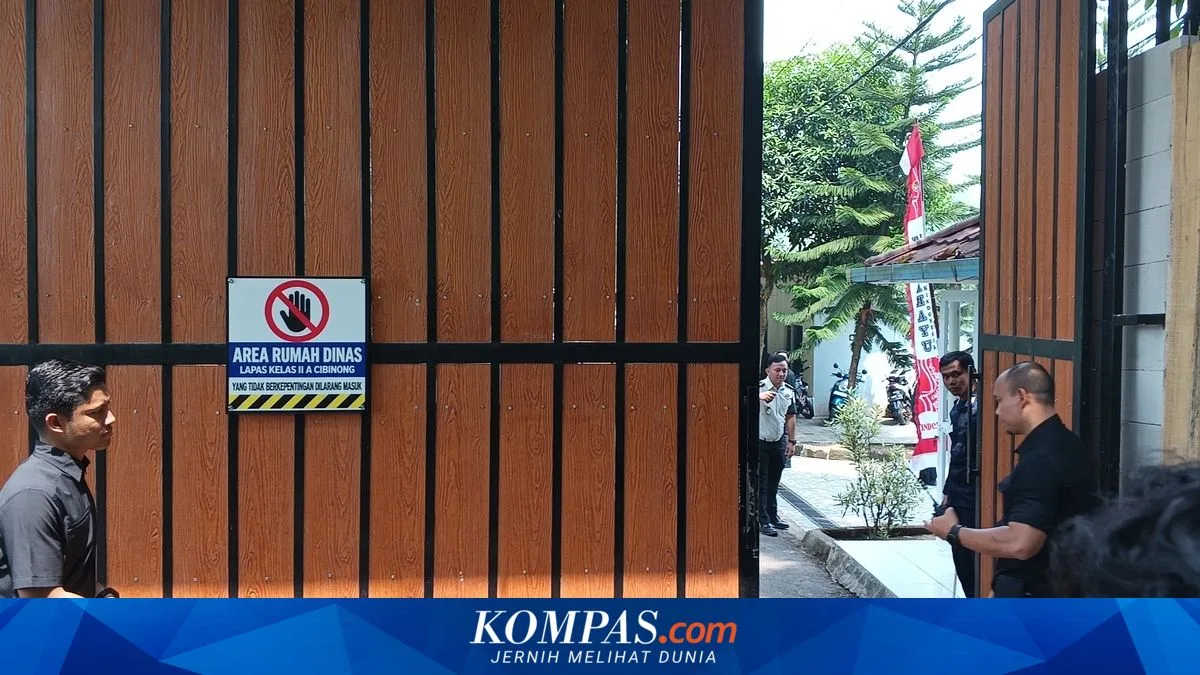
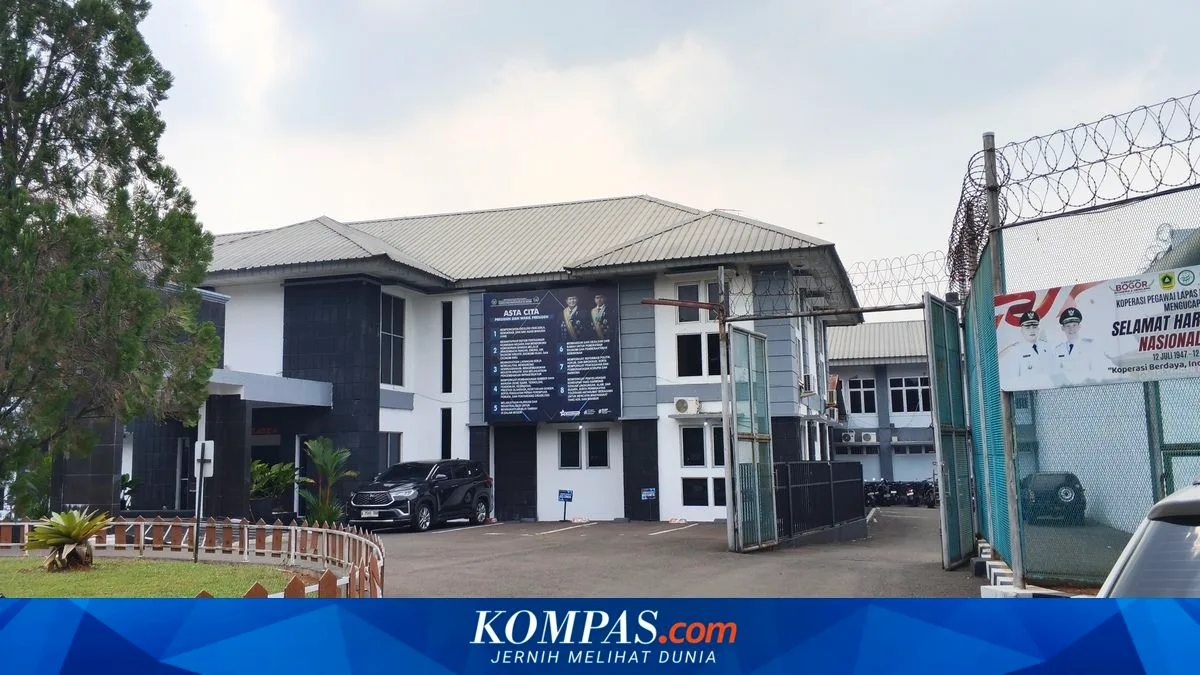
The Ombudsman of the Republic of Indonesia uncovered a number of rooms with luxury facilities inside the Class IIA Cibinong Penitentiary (Lapas) complex in Bogor Regency, West Java. The findings came to light after the Ombudsman team was briefly blocked from carrying out a surprise inspection on Wednesday (23/9/2026). The incident has raised serious questions about the commercialization of facilities in a penitentiary that is supposed to be a place for inmate rehabilitation.
According to the Ombudsman, more than ten rooms separated from the regular housing blocks were found in the rear area of the prison. Each room was equipped with a living room, bedroom, kitchen, television, refrigerator, and cooking utensils. Some buildings were even type 36. In one refrigerator, officers found alcoholic beverages. Six to seven people believed to be inmates were seen in the area. One resident who was briefly questioned admitted to paying to occupy the facility, although the amount, the recipient, and the resident's identity remain unknown because the examination was cut short when prison officers arrived.
The Directorate General of Corrections issued a denial. They stated the buildings were staff housing and a place for assimilation activities. Director General of Corrections Mashudi said differences in facilities between prisons depend on the creativity of each unit. However, this explanation did not dampen public suspicion. On 25 September 2026, Minister of Immigration and Corrections Agus Andrianto together with Head of Bappisus Aris Marsudiyanto inspected the location to determine whether the staff housing was used as intended or misused.
This case is not merely about buildings. It touches on fundamental issues of social justice and equality before the law. If all inmates lose their freedom due to a judge's ruling, why can some of them allegedly still buy comfort on a smaller scale? Anatole France in the novel The Red Lily (1894) once quipped that the law, in its majestic equality, forbids the rich as well as the poor to sleep under bridges. The quip is relevant: money seems able to translate a sentence into different facilities.
"Differences in facilities between prisons depend on the creativity of each prison," said Director General of Corrections Mashudi, as quoted from Antara.
For Indonesia, this scandal has broad implications. First, it threatens the integrity of the correctional system, which is at the forefront of law enforcement. Second, the commercialization of prison facilities can worsen overcrowding and inequality inside prisons. Third, the case could tarnish the government's image in the eyes of investors and the international community, particularly regarding governance and corruption eradication. Budget transparency and strict oversight of prison management are key to restoring trust.
The government says it will investigate this case thoroughly. However, the public is waiting not just for promises, but for real reform. Will this investigation uncover a wider network, or will it be only a temporary blow to a fragile system? The answer will determine the direction of penitentiary reform going forward.