Guruh Soekarnoputra Passes Away, an Artist and Politician Who Bridged Two Eras
Baca dalam 60 detik
- Guruh Soekarnoputra, putra bungsu Soekarno, meninggal dunia pada usia 73 tahun setelah dirawat di RS Siloam Semanggi, Jakarta.
- Jenazah tiba di rumah duka Jl. Sriwijaya Raya, Kebayoran Baru, dengan pengawalan peti berlogo PDIP, menandakan kedekatan politiknya dengan partai tersebut.
- Kepergiannya meninggalkan warisan ganda: sebagai pelestari seni tradisi dan politikus yang bertahan dari era PDI hingga PDIP.

Mourning has enveloped the extended family of Soekarno. Guruh Soekarnoputra, the youngest son of Indonesia's first president, passed away on Saturday (26/9) after undergoing intensive care at Siloam Semanggi Hospital, Jakarta. The body arrived at his residence at Jl. Sriwijaya Raya No. 26, Kebayoran Baru, South Jakarta, at 07.35 WIB, accompanied by a coffin bearing the PDIP logo.
The passing of the 73-year-old man is not merely an ordinary obituary entry. He was a node connecting two phases of Indonesian history: the presidency of his father, Soekarno, and the leadership era of his sister, Megawati Soekarnoputri. Throughout his life, Guruh rejected the dichotomy between art and politics—two worlds he pursued with equal intensity.
Born on 13 January 1953 to Fatmawati, Guruh was educated at Perguruan Cikini, SMA Negeri 25 Jakarta, and then studied archaeology at the University of Amsterdam until 1974. Later, he completed a bachelor's degree in Public Administration at STIAMI (2005–2008) and earned a Master of Management degree in 2010. This combination of artistic and public administration backgrounds shaped his outlook: that culture is not a supplement, but the foundation of national identity.
In the art world, Guruh's name is closely tied to the Swara Mahardika group and GSP Production. Together with Keenan Nasution, Abadi Soesman, and the late Chrisye, he formed Guruh Gipsy and Gank Pegangsaan—projects that combined gamelan, rock, and poetry. Songs such as "Melati Suci", "Lenggang Puspita", and "Galih dan Ratna" became part of the canon of Indonesian pop music. Music critics often cite him as one of the figures who dared to break down the barriers between tradition and modernity.
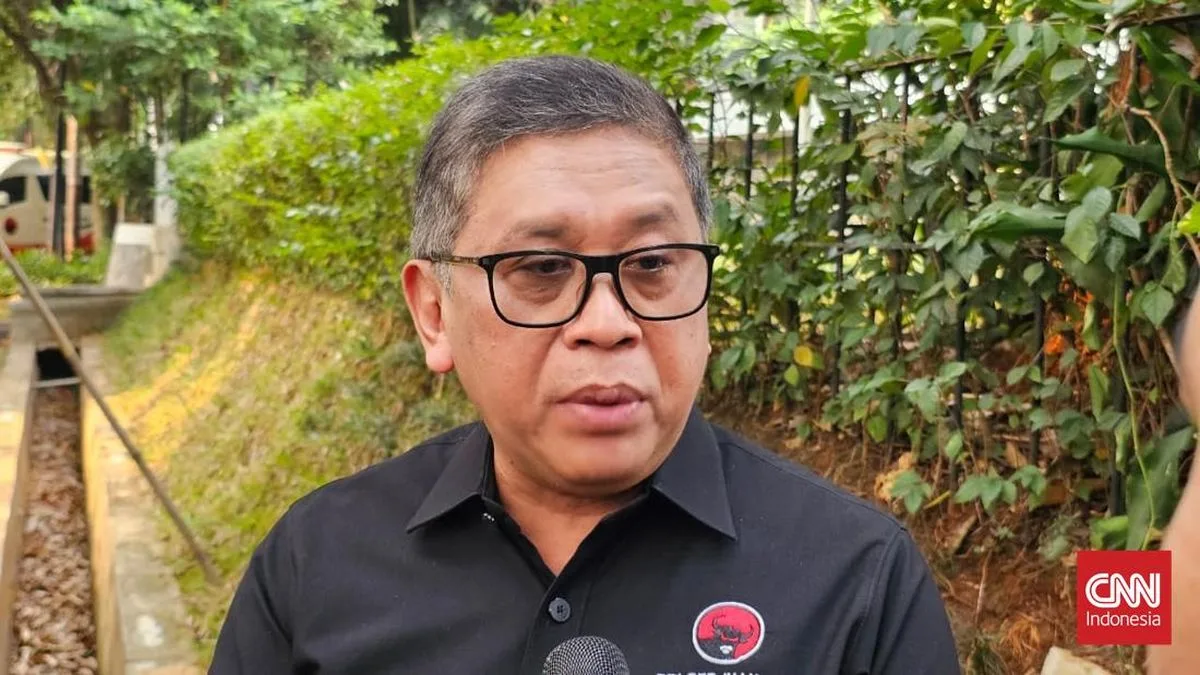
"Mohammad Guruh Irianto Soekarnoputra bin Soekarno has passed away into God's mercy at the age of 73," said PDIP Secretary-General Hasto Kristiyanto in an official statement.
His political track record is no less lengthy. Guruh began his career in PDI in 1982, then remained loyal to PDIP from 1999. He held a seat in the DPR RI for five consecutive terms (1999–2024) representing East Java. Although he rarely appeared as a party spokesperson, his presence gave historical weight to PDIP—a party that claims to be the heir to Soekarno's ideas.
For the Indonesian public, Guruh's passing marks the end of a chapter in the Soekarno political dynasty. Of Soekarno's five children, only Megawati remains active on the national political stage. Yet Guruh's legacy is not solely about power. He showed that a president's son could choose the cultural path as a form of service, without always having to be at the forefront of power.
His passing also raises a broader question: who will nurture the ecosystem of traditional arts and experimental music amid an entertainment industry that is increasingly commercial? Guruh was one of the few figures capable of connecting the academic, artistic, and political worlds without losing integrity. The funeral home in Kebayoran Baru bears witness to how a coffin bearing a political party's logo stood alongside memories of melodies that once stirred the national stage.