Kraken's Canadian Dollar Order Book Plunges, Bitcoin Briefly Traded at Just IDR 17 Thousand
Baca dalam 60 detik
- Harga bitcoin di pasar dolar Kanada Kraken anjlok hingga C$24.250, sekitar US$17.000, jauh di bawah harga global akibat order book yang terisolasi kehilangan market maker.
- Efek domino juga menimpa ether, XRP, dan USDT yang diperdagangkan dalam dolar Kanada, sementara bursa memastikan tidak akan membatalkan transaksi yang sudah terjadi.
- Kejadian ini memicu kekhawatiran soal ketahanan infrastruktur bursa kripto lokal dan perlindungan investor ritel dari risiko likuiditas sempit.

The price of bitcoin on the Kraken exchange for the Canadian dollar (CAD) pair briefly plunged to C$24,250, equivalent to about US$17,000, in the early hours of Saturday local time. The price collapse occurred after the Canadian currency order book experienced a disruption and decoupled from the global spot price by nearly 70 percent.
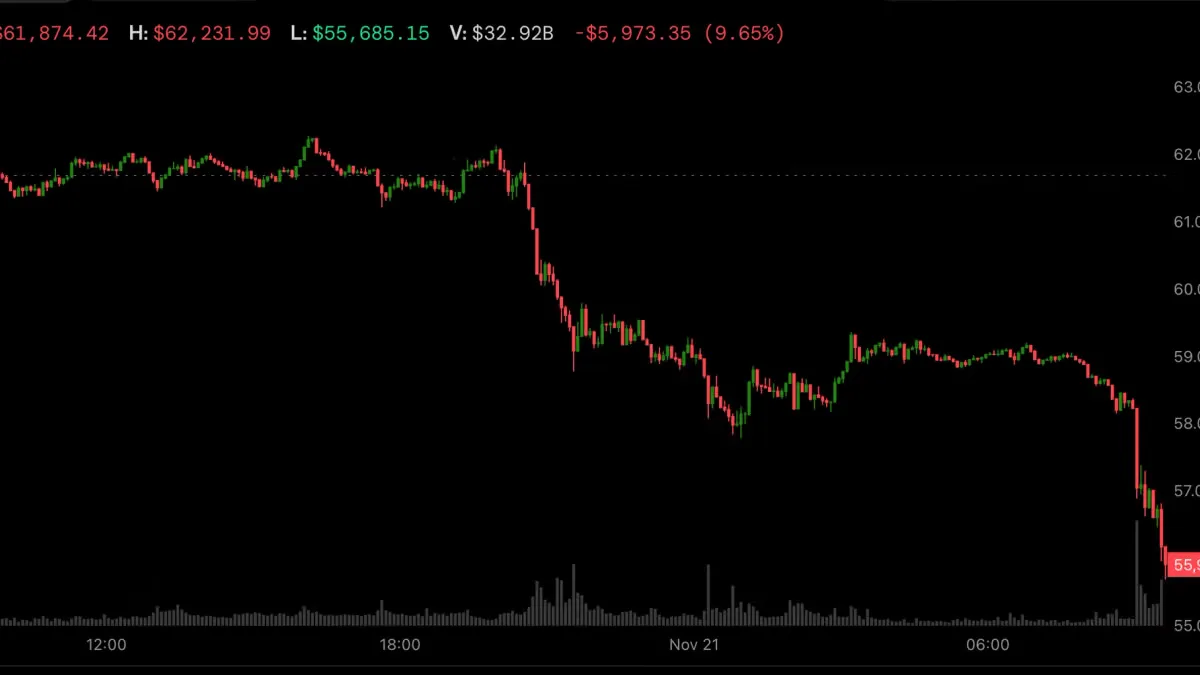
On Friday afternoon, bitcoin was still trading around C$83,800 on Kraken's CAD book, while on the US dollar pair it stood at about US$58,300, tracking an exchange rate of roughly 70 US cents per Canadian dollar. Selling pressure began to hit the CAD pair around 15:00 ET, dragging the bitcoin price below C$70,000 within an hour and below C$50,000 by 19:00 ET.
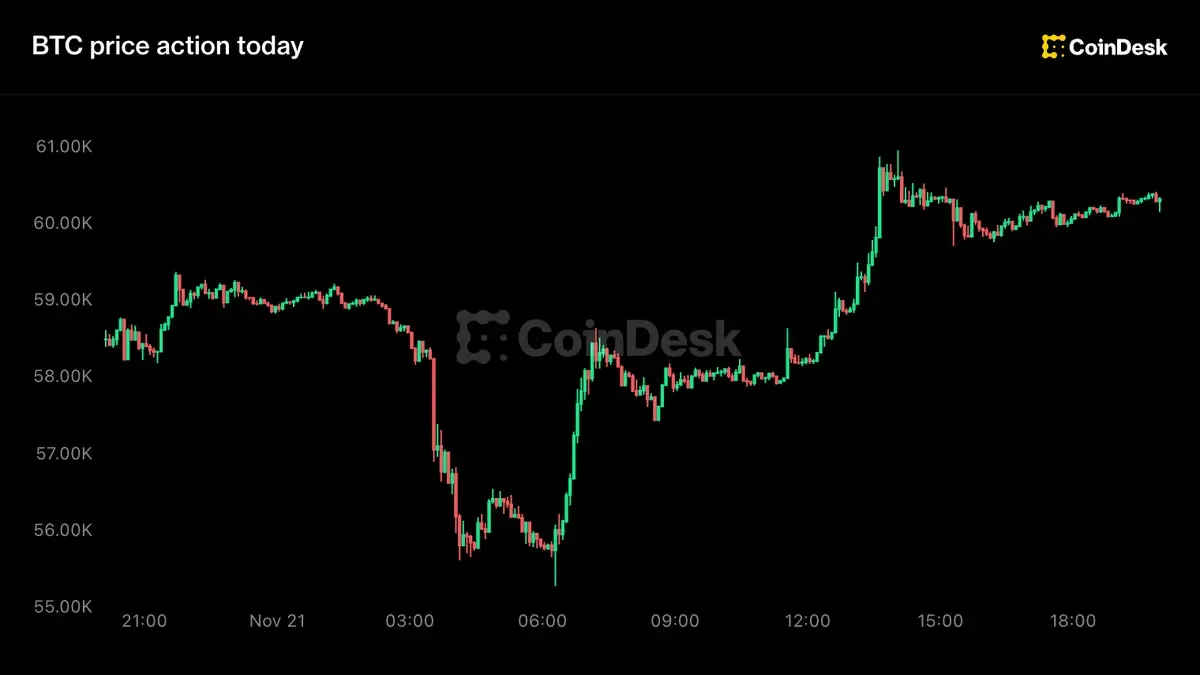
The decline continued to a low of C$24,250 within 15 minutes after 03:00 ET on Saturday, involving 976 separate transactions. Meanwhile, on the US dollar book, bitcoin held around US$57,700 after briefly touching a two-year low of US$55,100 the previous night.
Kraken operates separate order books for each supported fiat currency. This means traders transacting in Canadian dollars only meet local liquidity, not the deeper US dollar pool. When a fiat book loses its market makers, automatic stop-loss orders can execute at extremely low prices even as the global bitcoin market moves normally. Kraken has confirmed it will not cancel the weekend transactions.
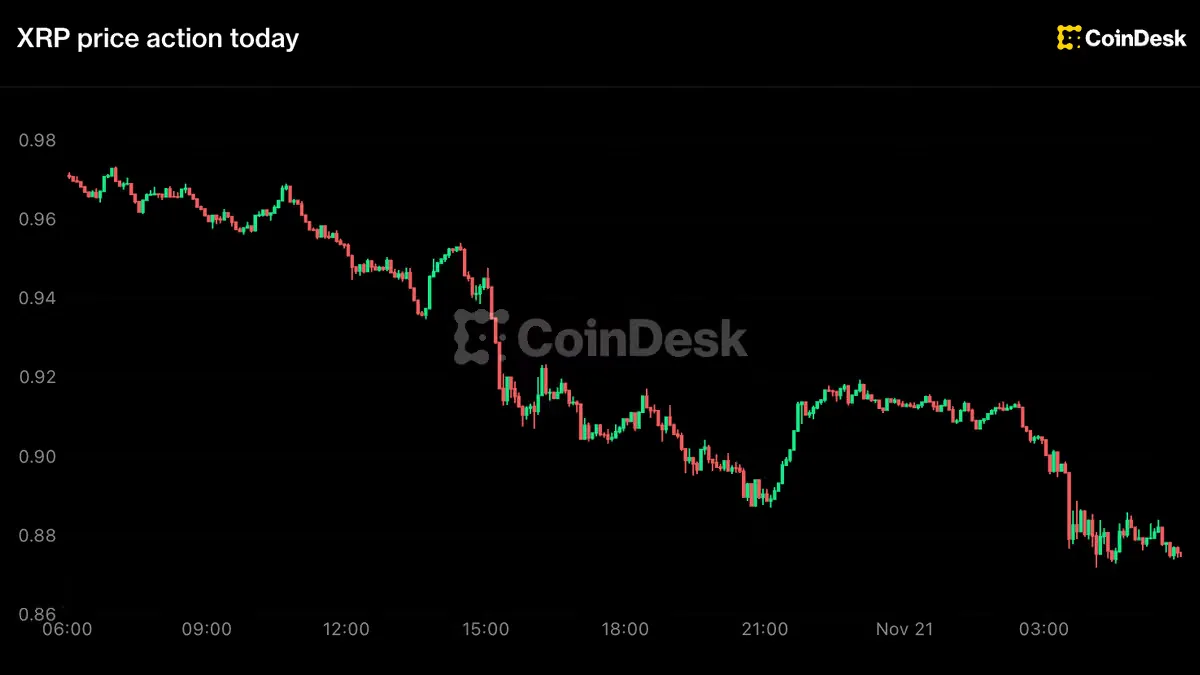
Several assets quoted in Canadian dollars on the exchange collapsed simultaneously, according to CoinDesk's review of Kraken's API. Ether fell from about C$2,296 on Friday afternoon to C$796, while XRP lost more than 60 percent of its value to 41 Canadian cents. Tether (USDT), a stablecoin pegged to the US dollar and usually worth about C$1.43, dropped to 56 cents at 03:00 ET. At that level, one Canadian dollar on Kraken briefly bought nearly two US dollars' worth of the stablecoin, or more than twice its real value.
Blockstream CEO Adam Back wrote on X that Kraken's local market maker for the US dollar against the Canadian dollar pair "ran out of money". According to him, the BTCUSD price was normal, but USDCAD was mispriced. He added that the dislocation "liquidated people" whose automatic stop-loss orders were triggered "based on local fake prices".
Kraken's support account on X stated that every order was executed correctly, the security team found no breach or account compromise, and "transactions that have already been executed remain valid". The exchange has not stated the exact cause of the incident and did not record any incident on its status page. The event resembles a disruption in June 2019 when Kraken's bitcoin-Canadian dollar pair briefly printed a price of C$101.
The price on the Canadian book recovered above C$79,000 by 05:00 ET on Saturday and realigned with the global rate on Monday at C$87,700 against US$61,350. Nevertheless, the incident highlights the vulnerability of local crypto markets with thin liquidity. In a separate report, global crypto spot volume fell 9.7 percent to US$1.02 trillion in October, while RWA perpetuals rose 24.1 percent to US$611 billion and the derivative share of centralized exchange (CEX) volume increased to 79.1 percent.
For Indonesian investors, this event is a reminder that crypto market liquidity depends heavily on the order book structure of each exchange. Even though the global market appears normal, a local market with small volume can experience extreme price dislocation when market makers withdraw. Financial authorities and domestic crypto exchanges are urged to strengthen consumer protection mechanisms, including price limits and oversight of automated trading practices.
Looking ahead, the big question is whether global crypto exchanges will reevaluate their isolated order book designs, or instead retain them with tighter liquidity oversight. Without improvements, similar risks could recur and harm retail traders who rely on automatic stop-losses.