Herdman Rejects Polarization: Starting XI Without Indonesia-Born Players, 2-0 Win Over Singapore Draws Scrutiny
Baca dalam 60 detik
- Timnas Indonesia mengawali FIFA ASEAN Cup 2026 dengan kemenangan 2-0 atas Singapura, namun komposisi sebelas pertama tanpa pemain kelahiran Indonesia memicu diskusi publik.
- Pelatih John Herdman menegaskan tidak ada perbedaan antara pemain lokal dan diaspora, menyerukan penghapusan dikotomi yang dinilainya kontraproduktif.
- Keputusan ini menandai pergeseran dari kebiasaan sebelumnya yang selalu menyertakan pemain kelahiran Indonesia, memicu pertanyaan tentang arah pembinaan sepak bola nasional.
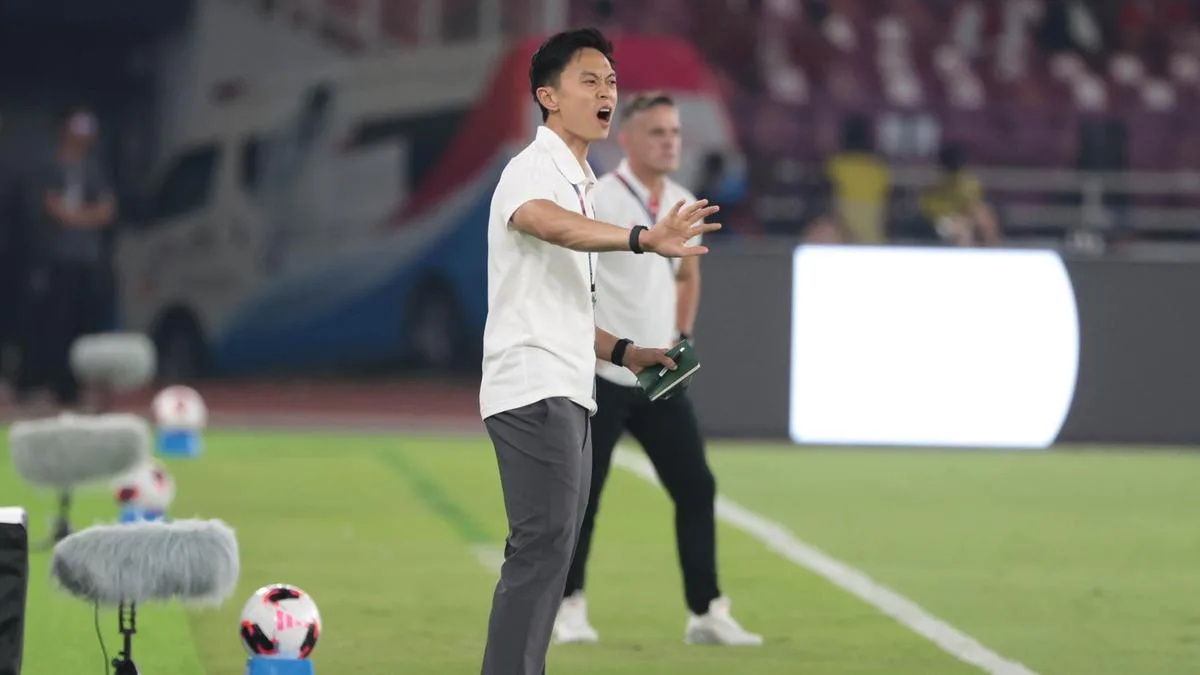
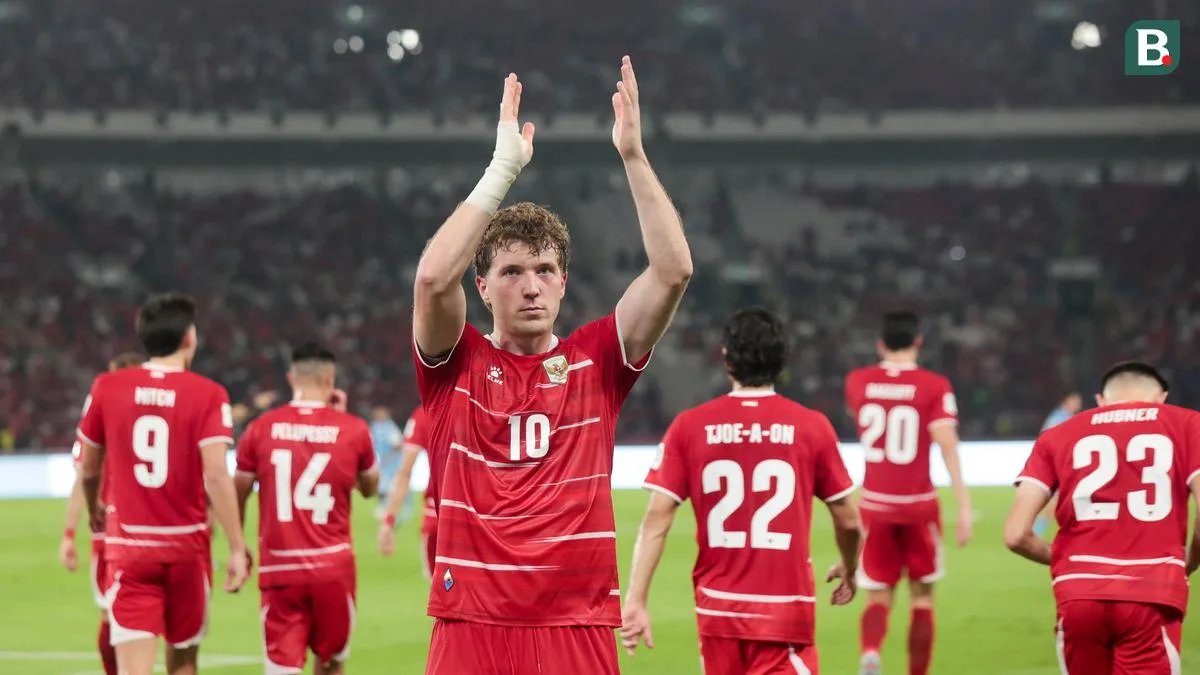
The Indonesia national team opened its FIFA ASEAN Cup 2026 campaign with a convincing 2-0 win over Singapore at Gelora Bung Karno Main Stadium, Friday (25/9/2026) evening WIB. However, public attention turned instead to the starting eleven fielded by coach John Herdman, which for the first time did not include a single Indonesia-born player.
Of the 11 starters, ten are naturalized players, while Elkan Baggott—who was also not born in Indonesia but chose Indonesian citizenship before the age of 21—completed the line-up. Names such as Maarten Paes, Kevin Diks, Justin Hubner, Dean James, Luke Vickery, Joey Pelupessy, Calvin Verdonk, Ragnar Oratmangoen, Ole Romeny, and Mitchell Baker filled positions from the opening minute.
This decision differs from the pattern Indonesia has usually applied in recent years. Since the naturalization program ran intensively, the national team typically still kept one or two Indonesia-born players in the starting line-up, with Rizky Ridho and Marselino Ferdinan as regulars. This time, Ridho sat on the bench for the full 90 minutes, while Marselino was absent due to injury.
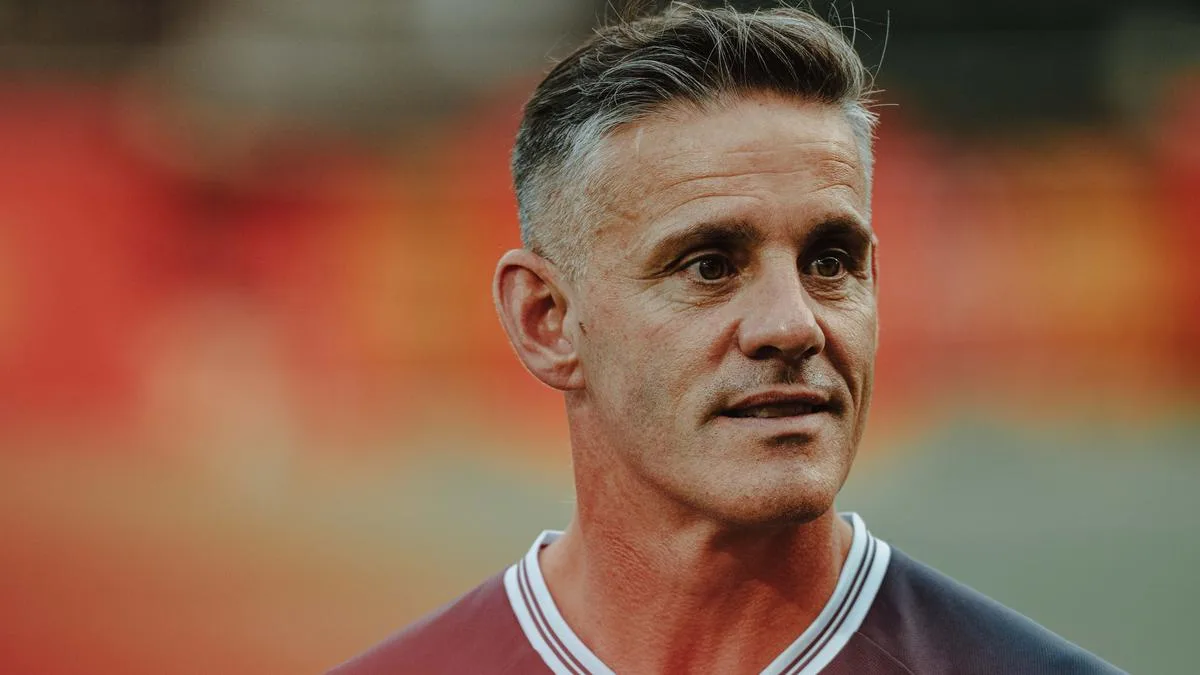
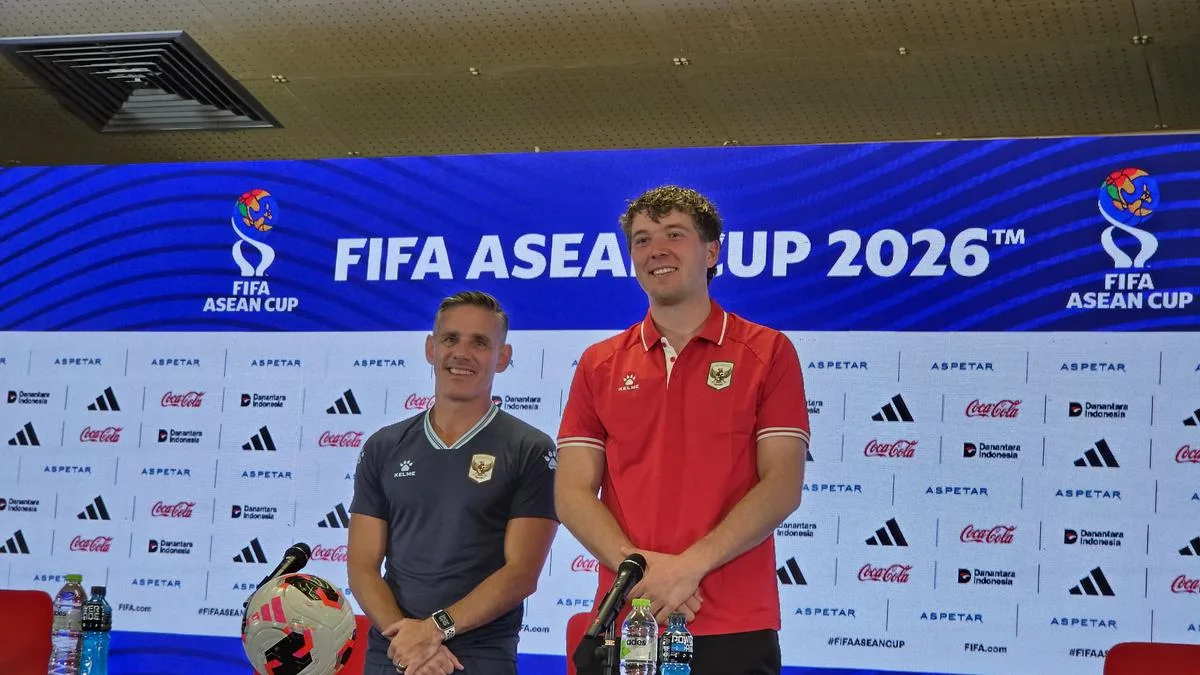
Facing media questions after the match, Herdman asked the public and the press to stop distinguishing players based on birthplace. According to him, all players have shown the same commitment and spirit to defend the Merah-Putih.
"This is the line-up that wants to represent this country. They are willing to get on a plane and work hard. They play with full spirit and passion for the supporters. That is important to respect," said Herdman.
He stressed that the dichotomy between local and diaspora players must be erased. "I think local players are no different. There are no local players, no diaspora players. We are Indonesia. We represent the flag (Merah-Putih). We stand together at all times. This is a mindset we have to change. These people are Indonesians now. They love playing for Indonesia," he asserted.
Herdman's approach has sparked debate among Indonesian football observers. Some see the move as a logical consequence of the improved quality of diaspora players, while others worry about its impact on the development of local players. Since massive naturalization began, the national team has indeed often relied on players born and raised abroad, but there was always local player representation on the pitch.
In a broader context, this decision reflects the dilemma faced by many countries with large diasporas: between pursuing short-term achievement with the best available players, or maintaining identity and giving space to domestic talent. Herdman appears to have chosen the first path, with the conviction that the players he selected are the most ready in terms of quality and mentality.
However, the success of this strategy will be tested not only by match results, but also by how the public receives the narrative being built. If Indonesia keeps winning, criticism may subside. Conversely, if poor results follow, the identity issue could resurface.
The question is, is Indonesian football ready to accept a new definition of who deserves to be called an "Indonesian player"? Or is this merely a temporary phase that will change as a quality local generation emerges? What is clear is that Herdman has challenged the old way of thinking, and the country's football public now stands at a crossroads.