Montparnasse Tower Renovation in Paris Fails, Shareholders Reject Rp14 Trillion Project
Baca dalam 60 detik
- Lebih dari tiga perempat pemilik saham menolak rencana renovasi Menara Montparnasse yang menelan biaya €800 juta, menghentikan proyek sebelum izinnya kedaluwarsa akhir November.
- Penolakan ini memicu kekhawatiran gedung 59 lantai yang telah dikosongkan akan terbengkalai, sementara serpihan kaca sempat jatuh ke jalan musim panas lalu.
- Pemerintah kota Paris dituntut segera mencari solusi alternatif, sementara oposisi mengusulkan pembongkaran menara dan menggantinya dengan taman untuk meredam gelombang panas.
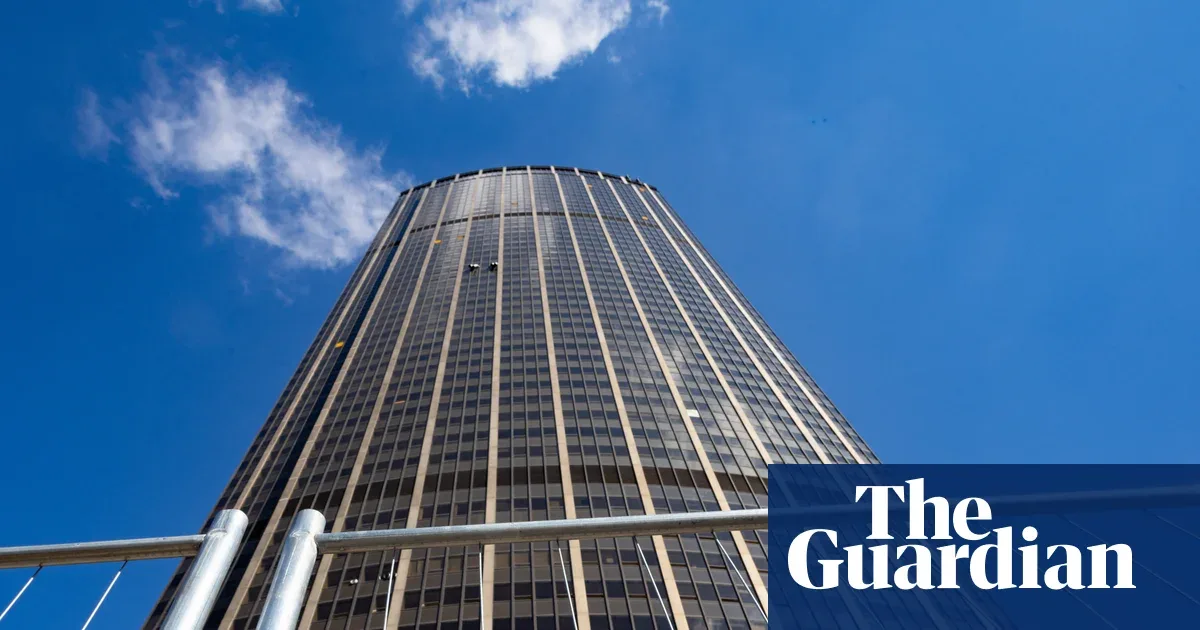
The rejuvenation plan for the Montparnasse Tower, the skyscraper dubbed Paris's "ugliest," has officially stalled after a majority of private shareholders rejected the cost and design proposal in a vote this week. The rejection is a heavy blow because it was the last chance before the building's renovation permit expires at the end of November.
The 210-meter tower, standing since 1973, had been designed for a complete overhaul for more than a decade: a new glass facade, vertical gardens, green terraces on the 16th floor, an agricultural greenhouse at the top, and a hotel on three of its 59 floors. However, the project cost estimate more than doubled to €800 million (around Rp14 trillion) after accounting for complicated asbestos removal operations. That figure made shareholders—including investment funds and French insurance companies—reverse course.
The decision raises the specter of an iconic building becoming a burden. Since being emptied, the tower has been prone to degradation. The incident of glass fragments falling onto the street below last summer—with no fatalities—was a real warning that public safety could be threatened without swift action. Philippe Goujon, Mayor of Paris's 15th Arrondissement, lamented the shareholders' stance. "I cannot accept that a project that took 10 years to design is simply thrown away, or that this world-class landmark is left abandoned," he told AFP.
Four shareholders who still want the renovation, including tycoon Xavier Niel, are urging all parties to sit down together and find a way out. They hope for an emergency meeting between owners, financial partners, and public authorities to explore transformation options. Some parties are beginning to look at a smaller and cheaper project scenario, though no concrete formula has been agreed upon.
On the other hand, architect Renzo Piano remains tasked with overhauling the shopping center beneath the tower and the surrounding area, turning gray concrete into green and pedestrian space. The Paris City Government under Mayor Emmanuel Grégoire is urging that alternative solutions be submitted immediately to avoid prolonged abandonment. Meanwhile, the left-wing opposition faction is proposing a radical step: demolishing the tower deemed obsolete and replacing it with a park capable of providing a cooling effect when heat waves hit the capital.
"We want all shareholders, financial partners, and public authorities to meet immediately to examine all solutions for the transformation of the Montparnasse Tower." — joint statement by four shareholders, including Xavier Niel.
For Indonesia, the Montparnasse story is a mirror of how revitalization projects for iconic buildings often founder at the negotiating table. Many old buildings in Jakarta, Surabaya, and Bandung face a similar dilemma: rejuvenation costs balloon, while shareholders are split between maintaining the asset or letting it fall into neglect. When the renovation permit expires and the building has already been emptied, the risk to public safety and the decline in surrounding property values becomes the stake. Local governments are demanded to be more agile in facilitating mediation, rather than merely waiting for private owners' decisions.
Going forward, will Paris choose to save a hated but historic tower, or demolish it for green open space? The decision in the coming weeks—before the permit expires—will determine the city's skyline for decades.