Attorney General's Office Names Former Energy Ministry Official as Suspect in Nickel Governance Corruption, Losses Reach Rp 401 Billion
Baca dalam 60 detik
- Kejaksaan Agung menahan mantan Direktur Pembinaan Pengusahaan Mineral Ditjen Minerba Kementerian ESDM berinisial BS dalam kasus dugaan korupsi tata kelola nikel periode 2017–2020.
- Selain BS, penyidik menetapkan tiga tersangka lain dari unsur pengawasan dan verifikasi, serta satu korporasi yakni PT Ceria Nugraha Indotama (CNI).
- Dugaan kerugian negara mencapai Rp 401 miliar akibat ekspor nikel tanpa memenuhi kewajiban Domestic Market Obligation (DMO).
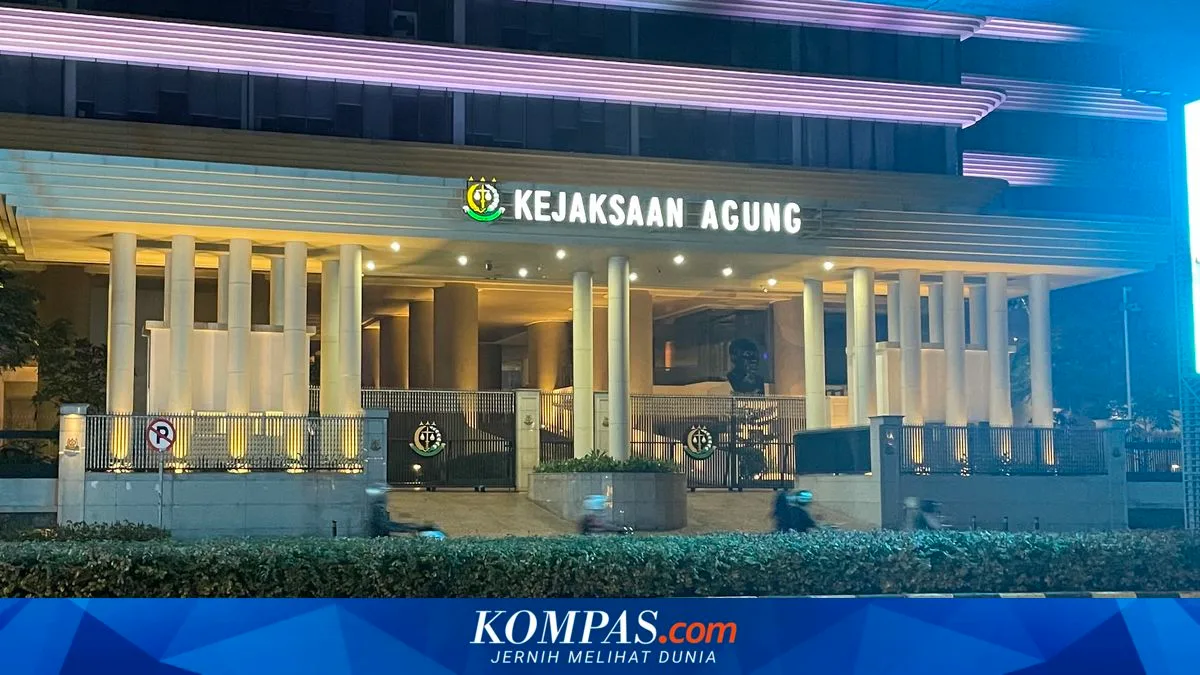
The Attorney General's Office (Kejagung) has officially detained a former Director of Mineral Business Development at the Directorate General of Mineral and Coal (Minerba) of the Ministry of Energy and Mineral Resources, identified as BS, over alleged corruption in the governance of the nickel commodity. The detention followed investigators naming BS a suspect in a case covering the period 2017 to 2020, with alleged state losses estimated at Rp 401 billion.
The Head of the Legal Information Center at the Attorney General's Office, Anang Supriatna, said BS served in 2017–2018. Besides BS, investigators named three other individuals: NRH, Head of the Sucofindo Kendari Unit for the 2012–2019 period; MHI, Head of the Mineral and Coal Division at the Southeast Sulawesi Provincial Energy and Mineral Resources Office for the 2017–2019 period; and one suspect whose identity has not been announced because the person has not responded to a summons for questioning. The Attorney General's Office also named a corporation, PT Ceria Nugraha Indotama (CNI), as a suspect.
BS and MHI are being held at the Salemba Detention Center of the Attorney General's Office, while NRH is detained at the Salemba Detention Center of the South Jakarta District Prosecutor's Office. The detention period is 20 days, from 25 September to 14 October 2026. The suspects are accused of violating Article 603 juncto Article 20 letter a or c of the Criminal Code, with a subsidiary charge under Article 3 juncto Article 18 of the Corruption Eradication Law, as well as Article 12 letter a and/or b of the Corruption Law. Investigators also applied Article 606 paragraph (2) juncto Article 20 letter a or c of Law No. 1 of 2023 on the Criminal Code.
The case stems from the activities of PT CNI, which holds an integrated production operation Mining Business License (IUP) in Kolaka Regency, Southeast Sulawesi. The company is alleged to have exported nickel without fulfilling its Domestic Market Obligation (DMO) in 2017–2019. The DMO obligation is a government instrument to guarantee the supply of raw materials for domestic industry, especially smelters and processing plants.
"First, BS as Director of Mineral Business Development at the Minerba Directorate General of the Ministry of Energy and Mineral Resources for the period 2017 to 2018," Anang said at a press conference in Jakarta on Friday (25/9/2026).
The naming of suspects adds to the long list of corruption cases in the natural resources sector involving state and private officials. Nickel governance has come under scrutiny because the commodity is one of Indonesia's export mainstays, especially since the ban on raw nickel ore exports took effect in 2020. The downstreaming policy championed by the government aims to increase added value domestically, but its implementation often faces oversight gaps.
For market players and investors, the case could affect the investment climate in the mining sector, particularly nickel, which is currently a global favorite. Regulatory uncertainty and inconsistent law enforcement can reduce investor confidence, especially among foreign investors who have long placed large capital in smelter and electric vehicle battery projects. On the other hand, firm action against DMO violations can strengthen governance and create a level playing field for compliant companies.
The government, through the Ministry of Energy and Mineral Resources and the Ministry of Investment, needs to ensure that the legal process does not disrupt the operations of companies not involved. In addition, transparency in IUP management and DMO oversight is key to preventing similar cases from recurring. Strengthening the verification system, for example through digitalization and independent audits, can be a preventive step.
Going forward, the public will be waiting to see whether this investigation will uncover a wider network, including the possible involvement of other parties. The big question: will law enforcement in the nickel sector become a turning point for improving natural resource governance, or will it be merely episodic without a deterrent effect?