Yaqut Rejects Witness Testimony at Hajj Quota Corruption Trial: I Never Gave Any Direction
Baca dalam 60 detik
- Mantan Menteri Agama Yaqut Cholil Qoumas menolak seluruh keterangan dua mantan pejabat Kemenag yang memberatkannya dalam sidang korupsi kuota haji tambahan 2023-2024.
- Yaqut menegaskan pemaksaan kapasitas 221.720 jemaah berisiko pada keselamatan jiwa dan membantah terlibat dalam penempatan pejabat serta skema pembagian kuota 50:50.
- Sidang ini menjadi ujian kredibilitas tata kelola haji Indonesia, dengan implikasi langsung pada kepercayaan publik dan biaya penyelenggaraan ibadah haji ke depan.
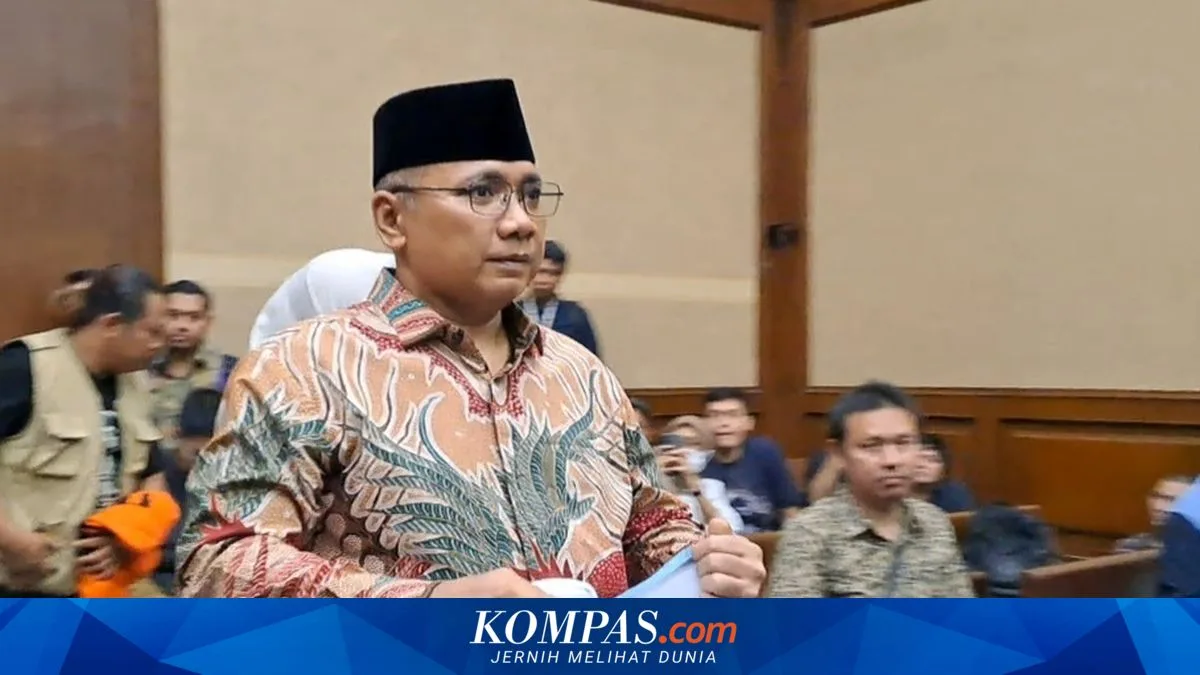
The defendant in the alleged corruption case involving the management of the additional 2023-2024 hajj quota, Yaqut Cholil Qoumas, firmly rejected all testimony that incriminated him at a hearing at the Jakarta Corruption Court on Friday (25/9/2026). The former Minister of Religious Affairs denied the testimony of two former officials of the Ministry of Religious Affairs who had previously said he knew of and approved several strategic decisions related to the addition of the pilgrim quota.
The two witnesses presented by prosecutors were Nasrullah Jasam, former Hajj Consul at the Hajj Affairs Office of the Indonesian Consulate General in Jeddah, and Hilman Latief, former Director General of Hajj and Umrah Organization. Both gave mutually reinforcing testimony about the dynamics of organizing the hajj with an additional quota totaling 221,720 pilgrims. Yaqut argued that the figure could not be read as an achievement alone, because the hajj involves a long and interconnected chain of services.
"The implementation of the hajj is not only about Mina. There are dormitories, visas, flights, accommodation, lodging, and much more," Yaqut said at the hearing. He stressed that forcing the number of pilgrims without taking into account the readiness of all components could pose serious risks. "If it is forced, this will risk the safety of the pilgrims' lives," he added.
Beyond the issue of capacity, Yaqut also rejected Hilman's testimony that he had given direction through a figure named Gus Alex regarding the placement of Rizky Fisa Abadi, former Head of the Sub-Directorate for Licensing, Accreditation, and Development of Special Hajj Organization at the Ministry of Religious Affairs for the 2025-2026 period. "I reject Mr. Hilman's testimony regarding Gus Alex carrying a direction from me, because that never happened," he said firmly.
Yaqut then touched on a meeting with the SATHU Forum in the Minister's audience room. According to him, the forum did not discuss the division of the hajj quota under a 50:50 scheme as alleged. "There was no discussion there regarding a 50:50 division, it was more about users," he explained. He also denied failing to respond when it was discovered that one dictum had been crossed out in a document. Yaqut said he had summoned Hilman along with Slamet and asked for the matter to be investigated. "I was angry and asked for the culprit to be found," he said.
"The implementation of this hajj is not only related to Mina, but also to all the services that must be provided, including hajj dormitories, visas, flights, accommodation, lodging, and others." — Yaqut Cholil Qoumas, defendant in the hajj quota corruption trial.
For the Indonesian public, this trial is not merely an individual legal drama. The case directly touches on the governance of hajj services, which every year consumes large sums from the state budget and the pockets of pilgrims. If capacity was indeed forced without infrastructure readiness, the risk faced is not only cost overruns but also the safety of tens of thousands of citizens in the holy land. Conversely, if the charges are not proven, the big question instead turns to why the policy of adding the quota could proceed without adequate oversight.
Investors and businesses in the hajj and umrah travel sector should pay close attention to this development. Regulatory uncertainty and the potential for changes in quota governance could affect business planning, including accommodation and transportation contracts in Saudi Arabia. For pilgrims, the transparency of this legal process is an indicator of how serious the state is about improving hajj governance, rather than merely replacing the actors in positions of power.
Going forward, the question is not only whether Yaqut is proven guilty or not. More fundamentally: how is the mechanism for adding the hajj quota designed so that it no longer depends on the one-sided interpretation of officials, and who is responsible when services on the ground fail to meet safety standards? Without systemic improvement, this trial will only become another black mark in the long history of Indonesia's hajj governance.