Europe's Top Leagues Push for FIFA Reform: Presidential Power Must Be Limited
Baca dalam 60 detik
- Bundesliga, LaLiga, Serie A, dan Premier League mengeluarkan pernyataan bersama menuntut reformasi tata kelola FIFA.
- Mereka menilai konsentrasi kekuasaan regulasi, komersial, dan politik di tangan presiden FIFA tanpa kontrol memadai mengancam keberlanjutan liga domestik.
- Tuntutan utama: keterlibatan pemangku kepentingan dalam pengambilan keputusan, evaluasi berbasis bukti, dan pemisahan fungsi regulator dari komersial.
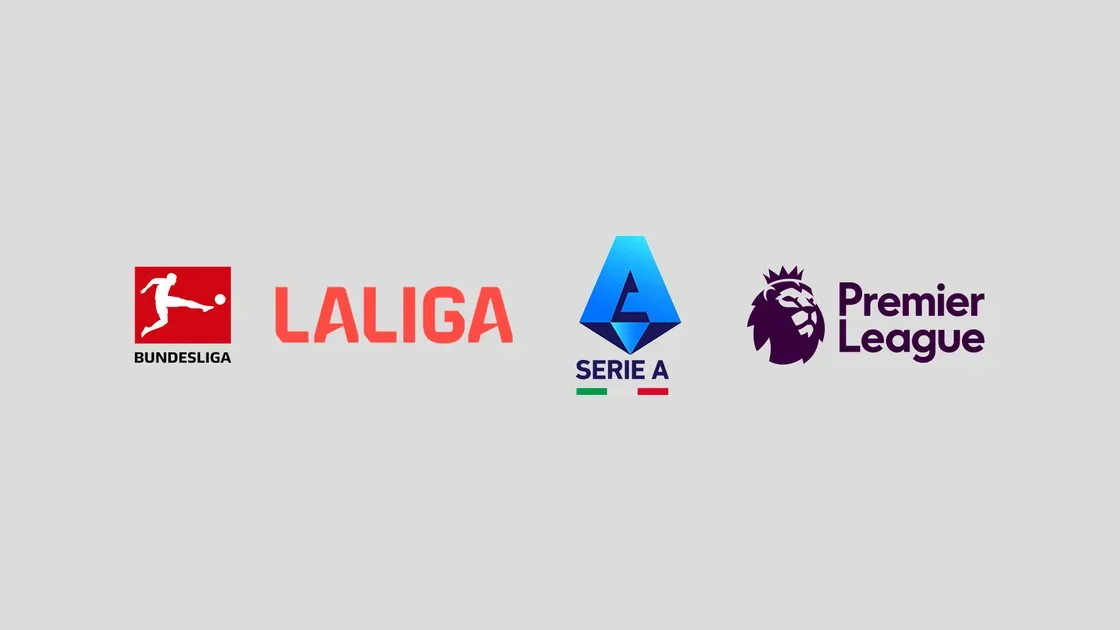
Europe's four biggest football leagues—the Bundesliga, LaLiga, Serie A, and the Premier League—published a joint statement titled “To Unify the Game, FIFA Must Reform,” demanding a fundamental overhaul of FIFA's governance. The move marks an escalation of the conflict between domestic competition operators and world football's governing body, which they say increasingly ignores the interests of national leagues.
In the statement, the four leagues highlight that while the World Cup is the pinnacle of achievement, football's foundation is maintained every week by clubs, players, and fans in domestic leagues. They accuse FIFA under its president's leadership of pushing exploitative ideas instead of protecting the ecosystem. Although the FIFA Forward Enterprise scheme was ultimately withdrawn after pressure, the leagues stress that the root of the problem remains untouched.
“The FIFA President has acknowledged the need for reform, but superficial process changes are not enough. Fundamental governance reform is needed to restore clear constitutional boundaries within FIFA,” the statement reads. The leagues also question whether a FIFA president should hold regulatory, commercial, and political power all at once without effective checks and balances.
The complaint to the European Commission is evidence that the current governance framework allows FIFA to use its regulatory authority to advance its own commercial goals, without accounting for the impact on the economic and social sustainability of national leagues. The leagues demand three core commitments: first, establishing a permanent body that gives national associations, leagues, clubs, and players a real role in decision-making, especially on the calendar, employment, and competitions. Second, every major FIFA proposal must be accompanied by a clear rationale, supporting evidence, and an independent assessment published before a decision is taken. Third, FIFA's regulatory function must be separated from its commercial function through strong institutional safeguards, including the independence of the ethics body, financial oversight, and an electoral body.
The statement also highlights that FIFA's governance problems go beyond any individual. More than a decade ago, after criminal proceedings involving senior football officials, FIFA underwent internal reform. But the leagues argue that the greatest abuse of power in FIFA's history has occurred again. They call on confederations, national associations, leagues, clubs, player unions, supporter groups, and public authorities from every continent to support these principles.
“Football needs a strong FIFA. But strength must be balanced with accountability. FIFA's authority can only come from sharing responsibility, accepting oversight, and earning trust,” the joint statement said.
Indonesian Context
For Indonesia, this dynamic has a direct impact on Liga 1 and the national team. The expansion of the international match calendar and FIFA tournaments often forces domestic league schedules to be postponed, disrupting the continuity of competition and costing clubs financially. If these reform demands succeed, there is an opportunity for PSSI and league operators to gain a bigger voice in global decision-making, including protection for national league schedules. Conversely, without reform, leagues in Southeast Asia, including Indonesia, risk continuing to be the party harmed by top-down world football decisions.
Going forward, eyes will be on the candidates for FIFA president. The leagues urge them to support these principles and, within the first 100 days of their term, to hold an independently led Governance Convention, with a public report within six months. All candidates are also asked to publish their own reform programs and compete fairly. The question is whether FIFA will respond to these demands with real change, or instead maintain a status quo that has long benefited a select few.