Ministry of Religious Affairs Removes UINSA Rector, DPR: No More Problematic Rectors
Baca dalam 60 detik
- Menteri Agama Nasaruddin Umar memberhentikan Akh. Muzakki dari jabatan Rektor UINSA Surabaya melalui KMA No. 060729 MA.KP.07/09/2026 setelah surat pengunduran diri pada 22 September 2026.
- Anggota Komisi VIII DPR Maman Imanulhaq menilai pemberhentian ini sebagai respons tepat terhadap aspirasi civitas akademika yang menolak pengangkatan kembali Muzakki.
- Kasus ini mendorong desakan agar proses seleksi pimpinan perguruan tinggi keagamaan negeri ke depan lebih transparan dan melibatkan suara mahasiswa serta dosen.
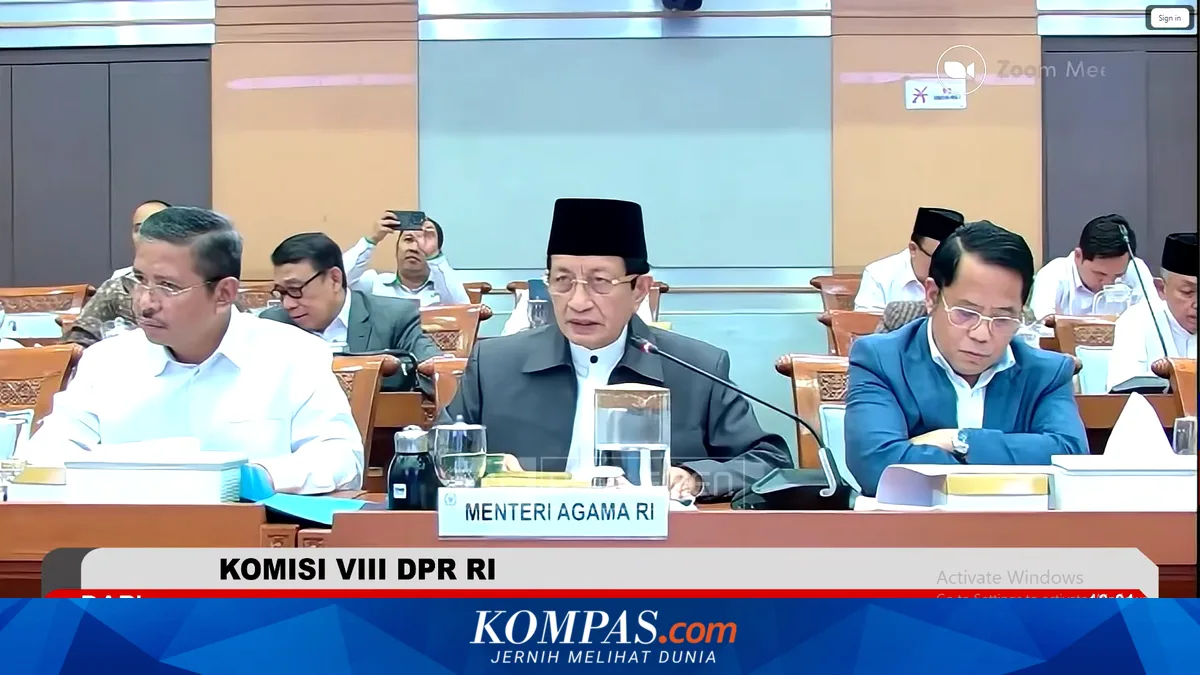
The Ministry of Religious Affairs has officially revoked Akh. Muzakki's mandate as Rector of Universitas Islam Negeri Sunan Ampel (UINSA) Surabaya, only ten days after he was inaugurated for a second term. The decision is set out in Minister of Religious Affairs Decree (KMA) No. 060729 MA.KP.07/09/2026, signed by Minister of Religious Affairs Nasaruddin Umar, following Muzakki's resignation letter on 22 September 2026.
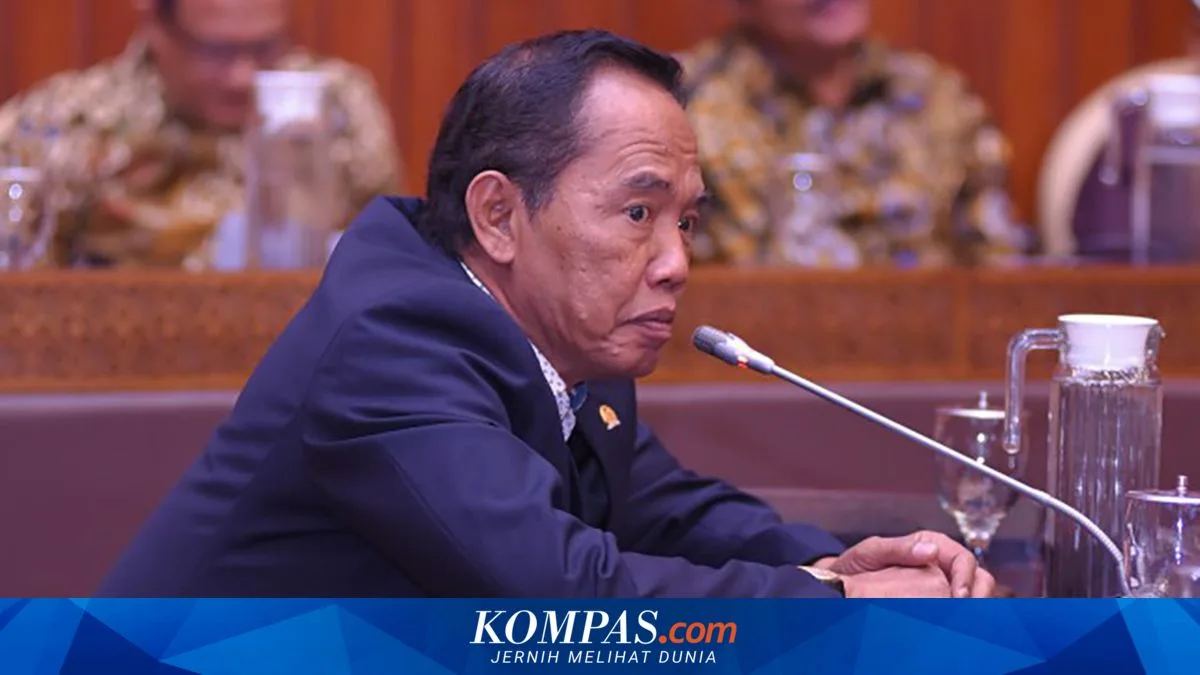
The move has drawn support from Senayan. Member of Commission VIII of the Indonesian House of Representatives (DPR RI), Maman Imanulhaq, called the dismissal appropriate because it aligns with the demands of UINSA students and the academic community. "The dismissal of Prof. Muzakki as UINSA Rector is appropriate. It aligns with the demands of UINSA students and the academic community, and is also in line with the recommendation of Commission VIII of the DPR RI," Maman said in a written statement, Friday (25/9/2026).
Muzakki himself is no newcomer to the campus. He previously served as rector for the 2022–2026 period, then was inaugurated again on 15 September 2026. However, his second appointment triggered a wave of internal protests. A number of students and lecturers questioned his track record and a selection process seen as insufficiently participatory. The pressure eventually led to Muzakki's resignation, which was followed by the issuance of the dismissal decree.
In the context of religious higher education governance, this episode reflects how fragile the succession process can be when it is not accompanied by strong checks and balances. Maman stressed that going forward, the appointment of leaders at state religious higher education institutions must be carried out transparently, accountably, and with consideration for track records and internal campus aspirations. "There must not be another figure with problems or a record who is then chosen and appointed as rector without considering the voice of the academic community," he said.
He also urged the Ministry of Religious Affairs to be more responsive to dynamics within the campus environment. According to him, the voices of students, lecturers, education staff, and other elements must be part of decision-making, not merely a formality. This is important to uphold the dignity of state religious higher education institutions, which have long been a reference point for Islamic education in Indonesia.
"The Ministry of Religious Affairs must know and hear the voice of the academic community. The aspirations of students, lecturers, education staff, and other elements in the campus environment must be an important part of the decision-making process," Maman said.
For stakeholders in the education sector, particularly investors and professionals monitoring public institution governance, the UINSA case highlights the importance of leadership stability. State religious higher education institutions manage state budgets and significant public assets. Uncertainty at the leadership level could disrupt strategic programs, research cooperation, and accreditation. Therefore, a credible selection mechanism is not only a matter of academic legitimacy, but also a guarantee of the sustainability of public investment in higher education.
The appointment of Amien Suyitno as Acting Rector of UINSA is expected to serve as a bridge until a definitive rector is inaugurated. Existing regulations give the Minister of Religious Affairs room to appoint an interim official to ensure the organization keeps running. However, this transition period is also a test for the Ministry of Religious Affairs to prove its commitment to clean and participatory governance.
Going forward, the public will watch whether the Ministry of Religious Affairs truly adopts the lessons from this case. Will the rector selection process at state religious higher education institutions become more open, or will it revert to the old pattern that ignores campus voices? The answer to that question will determine the direction of bureaucratic reform in Islamic education in Indonesia.