Coogee Named Sydney's Most Faecally Contaminated Beach Again, Fifth Year in a Row
Baca dalam 60 detik
- Pantai Coogee di Sydney kembali menerima peringkat 'buruk' dalam laporan tahunan State of the Beaches 2026 karena kualitas air yang rentan terhadap polusi feses, terutama setelah hujan lebat.
- Meskipun demikian, warga dan wisatawan tetap memadati pantai, dengan sebagian mengaku sudah terbiasa dan menganggap risiko kesehatan tidak signifikan.
- Pakar menyebut limpasan air hujan sebagai penyebab utama, bukan fenomena 'bola feses' yang sempat menghebohkan, sementara implikasi bagi pariwisata dan kesehatan masyarakat menjadi sorotan.
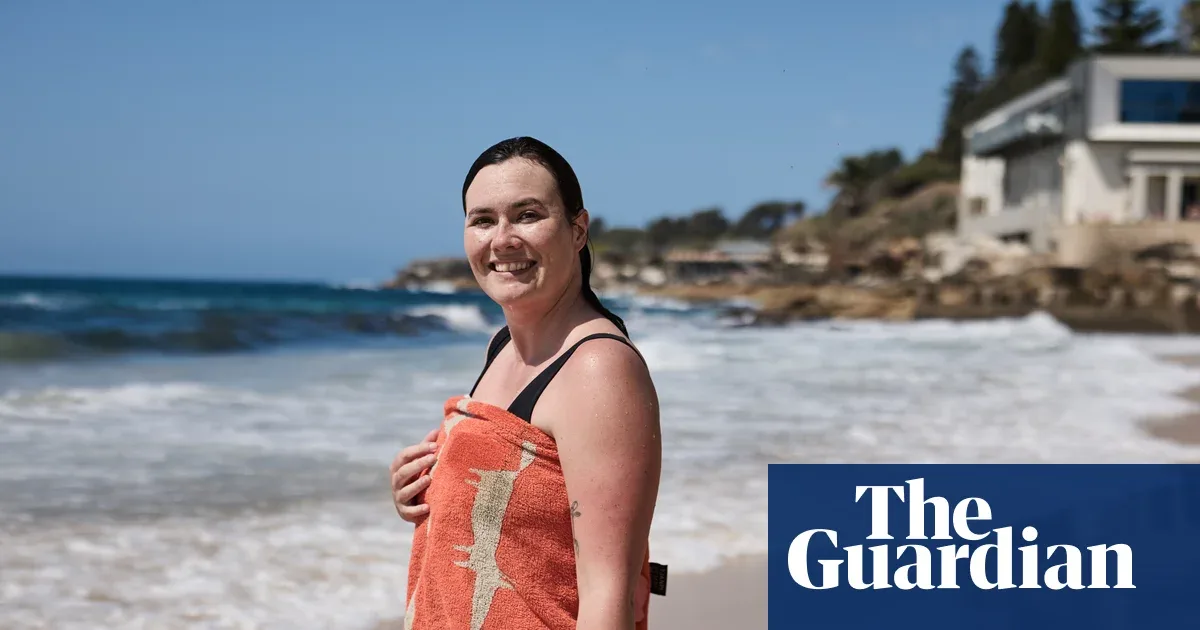
Coogee Beach in Sydney, Australia, has for the fifth consecutive year been named the city's most faecally contaminated ocean beach in the State of the Beaches 2026 report released by the New South Wales Department of Environment. The findings highlight the chronic water quality problem facing one of Australia's most popular beach tourism icons, even as hundreds of visitors still packed the site last Friday.
The annual report gave Coogee a "poor" rating, noting that microbial water quality is highly vulnerable to faecal contamination, especially after heavy rainfall. Ironically, the name Coogee comes from Dharug, the language of the local Aboriginal people, meaning "rotting seaweed", "smelly place", or "bad smell" — a historical coincidence that now feels increasingly relevant.
Even so, the beach's atmosphere that day stood in contrast to the report's findings. The sea looked clear blue, and hundreds of people were sunbathing and playing in the water. A resident who has swum at Coogee for about 25 years, Paul Sampson, said he was not too worried. "I'm still alive," he said while drying off. He acknowledged the water quality was not as clean as beaches on the southern coast, but he judged current conditions to be far better than 10 to 20 years ago.
A similar view came from David Goldstein, a resident who has lived in Sydney's eastern suburbs for four decades. He said he had developed a kind of resilience to the pollution issue. "I started swimming in the mid-1990s and I've probably only been sick once," he said. For him, the community formed at the beach matters more than concerns about contamination. Goldstein was even more worried about sharks that had been spotted around the headland on Friday morning, prompting him to change his swimming route.
"If the sharks don't get you, the pollution probably will," he said with a laugh, describing how risks in the sea are treated as part of everyday life.
Yet behind the relaxed attitude of some residents, environmental experts warn the issue is no trivial matter. Prof Stuart Khan, a water quality expert and head of the School of Civil Engineering at the University of Sydney, explained that the "fatberg" phenomenon that briefly closed several beaches in 2024 and 2025 was not the main cause of Coogee's poor rating. According to him, stormwater runoff carrying sewage contamination during heavy rain is the dominant factor. "Fatbergs from deep ocean outfalls contribute very little because they are located kilometres from the beach," he said.
Another lingering concern is the giant "fatberg" — a hardened mass of fat and debris — that remains behind closed doors at the Malabar sewage treatment plant. Although not directly linked to beach water quality, its existence has become a symbol of Sydney's sanitation infrastructure problems that have yet to be fully resolved.
For Indonesia, the Coogee case is an important mirror. Popular beaches such as Kuta, Sanur, or Ancol face similar challenges: stormwater runoff, domestic waste, and inadequate water treatment infrastructure. Tourist awareness and strict regulation are needed to prevent water quality decline that could damage ecosystems and the tourism industry. Local and central governments need to strengthen drainage systems and waste management, especially in coastal areas that are the backbone of the economy.
Going forward, the question is not only whether Coogee will return to the bad list next year, but how quickly Sydney — and other coastal cities around the world — can invest in green infrastructure and early warning systems for water quality. Without structural improvements, the "smelly place" label Coogee has long carried could serve as a warning for other beaches that rely on a clean image as their main attraction.