The Shifting Conflict in Papua: When Civilians Are Now the Target
Baca dalam 60 detik
- Menteri HAM Natalius Pigai mengungkap pergeseran pola konflik di Papua yang kini menyasar warga sipil berdasarkan sentimen ras dan etnis.
- Pakar HAM UGM Herlambang P. Wiratraman menilai pembiaran kekerasan dan pengusiran tanah ulayat memperkuat eskalasi konflik berbasis rasisme.
- Pemerintah dituntut menangani akar struktural konflik untuk mencegah perpecahan sosial yang lebih luas di Bumi Cenderawasih.
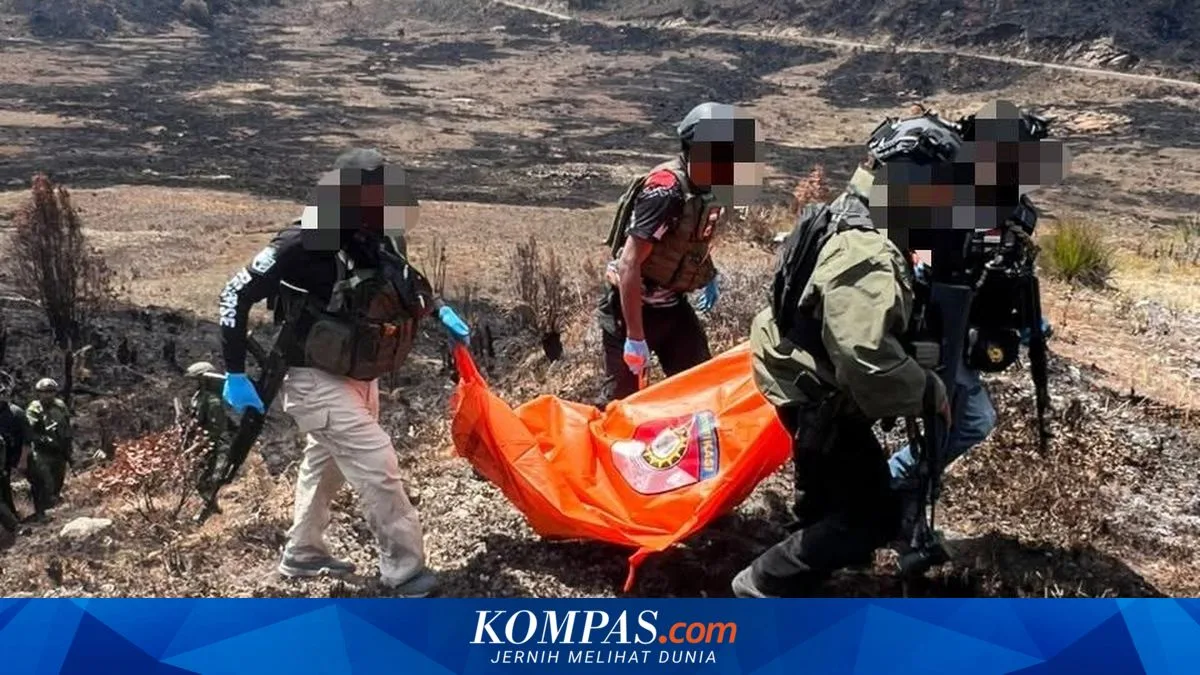
JAKARTA – The armed conflict in Papua has entered a more alarming new phase. Minister of Human Rights Natalius Pigai revealed that violence in Bumi Cenderawasih no longer only involves security forces and armed groups, but has begun to systematically target civilians. The statement came after a series of shootings that killed a number of non-combatants, including a travel driver from Toraja, Aris Sanda, who was shot after being held hostage while transporting logistics on the Wamena-Mbua route, Jayawijaya Regency, Papua Pegunungan. Previously, three civil servants (ASN) were also shot dead in the same area.
Pigai highlighted that the motives behind these recent attacks have shifted toward racial, ethnic, tribal, and religious identity. "Civilians used to be left alone, never shot. What surprised me is that the resistance in Papua has shifted to resistance on the basis of racism, ethnicity, and race, so this cannot be taken lightly," he said in a discussion in Jakarta last week. The statement marks the first time a senior government official has openly acknowledged a racial dimension in the Papua conflict, which has more often been framed as a separatist movement.
This shift in pattern has drawn the attention of academics. Herlambang P. Wiratraman, a lecturer at the Faculty of Law, Universitas Gadjah Mada, and a human rights expert, argues that the root of the problem lies in the violence and injustice that continue against the people of Papua. According to him, the tolerance of extrajudicial killings and the mass expulsion of residents from their ancestral land has created conditions that strengthen the escalation of racism-based conflict. "If the government allows violence to continue against Papuans, including extrajudicial killing or mass expulsion from their living space, this is a major part of what strengthens the escalation of racism-based conflict," Herlambang said when contacted, Thursday (24/9/2026).
Herlambang also highlighted the structural inequality that serves as fertile ground for identity-based conflict. According to him, the disparity in development and economic access between indigenous Papuans and migrants has widened the gap of injustice. If not addressed soon, this could trigger a cycle of intergroup revenge that is difficult to extinguish. "This must be a concern for the government, that addressing the problem of racism is also addressing the problem of structural inequality, the injustice that continues to occur," he stressed.
For Indonesia as a whole, this shift in conflict is not only a security issue in the eastern region, but also a test of the state's commitment to protecting human rights and maintaining harmony among citizens. The escalation of race- and ethnicity-based conflict could spread to other regions, threatening national socio-political stability. The business world, especially the mining, plantation, and infrastructure sectors operating in Papua, needs to be aware of rising operational risks. Security uncertainty can disrupt supply chains and dampen the investment climate in the region.
The government faces a dilemma between law enforcement and a dialogic approach. Security operations that have so far prioritized military force are considered insufficient to address the root of the conflict. A comprehensive strategy is needed, covering the resolution of past human rights violations, recognition of customary land rights, and equitable development. Without that, identity-based violence could continue to recur and create new civilian victims.
Going forward, the big question is whether the government can shift its approach from repressive to preventive, or whether it will remain trapped in a cycle of violence that deepens the social wounds in Papua. Civil society, including outside Papua, needs to keep monitoring this issue so it does not drown in the noise of other national news.