US Student Loans Sued: Debts Already Forgiven Still Weigh on Credit
Baca dalam 60 detik
- Sejumlah peminjam pinjaman mahasiswa di AS menggugat Departemen Pendidikan karena utang yang telah dihapus tetap dilaporkan sebagai aktif di tiga biro kredit besar.
- Gugatan class action ini menimpa pemerintahan Trump dan berpotensi memengaruhi lebih dari 300.000 peminjam yang utangnya sudah dibebaskan.
- Kasus ini menyoroti lemahnya koordinasi data antara lembaga pemerintah dan industri pelaporan kredit, yang berdampak pada akses pembiayaan.
A group of student loan borrowers in the United States filed a class action lawsuit against the Trump administration, accusing the Department of Education of continuing to report forgiven debts to credit reporting companies. The lawsuit, filed in the US District Court for the District of Columbia on Thursday (24/9/2026), says the practice caused unexpected financial harm to the plaintiffs.
In the complaint named Woods v. U.S. Department of Education, the borrowers claim that their federal debts discharged during the Biden administration—between April 2022 and January 2025—are still listed as active obligations at Equifax, Experian, and TransUnion. The debt relief was granted because they attended institutions found to have misled students or committed fraud. As a result, the inaccurate credit reports have hindered their access to mortgages, home rentals, vehicle loans, and even job opportunities.
"These borrowers have done everything asked of them, yet this false debt still shapes where they can live, what they can borrow, and what their futures look like," said Eileen Connor, president and executive director of The Project on Predatory Student Lending (PPSL), the firm representing the plaintiffs, as quoted from her statement.
This case is not merely an administrative error. It reflects a systemic failure in data synchronization between government agencies and the credit reporting industry. When debt forgiveness is not followed by a status update at credit bureaus, borrowers are trapped in a vicious cycle: they are legally free of the obligation, but financially still considered risky. The impact is layered, from credit application rejections to discrimination in hiring.
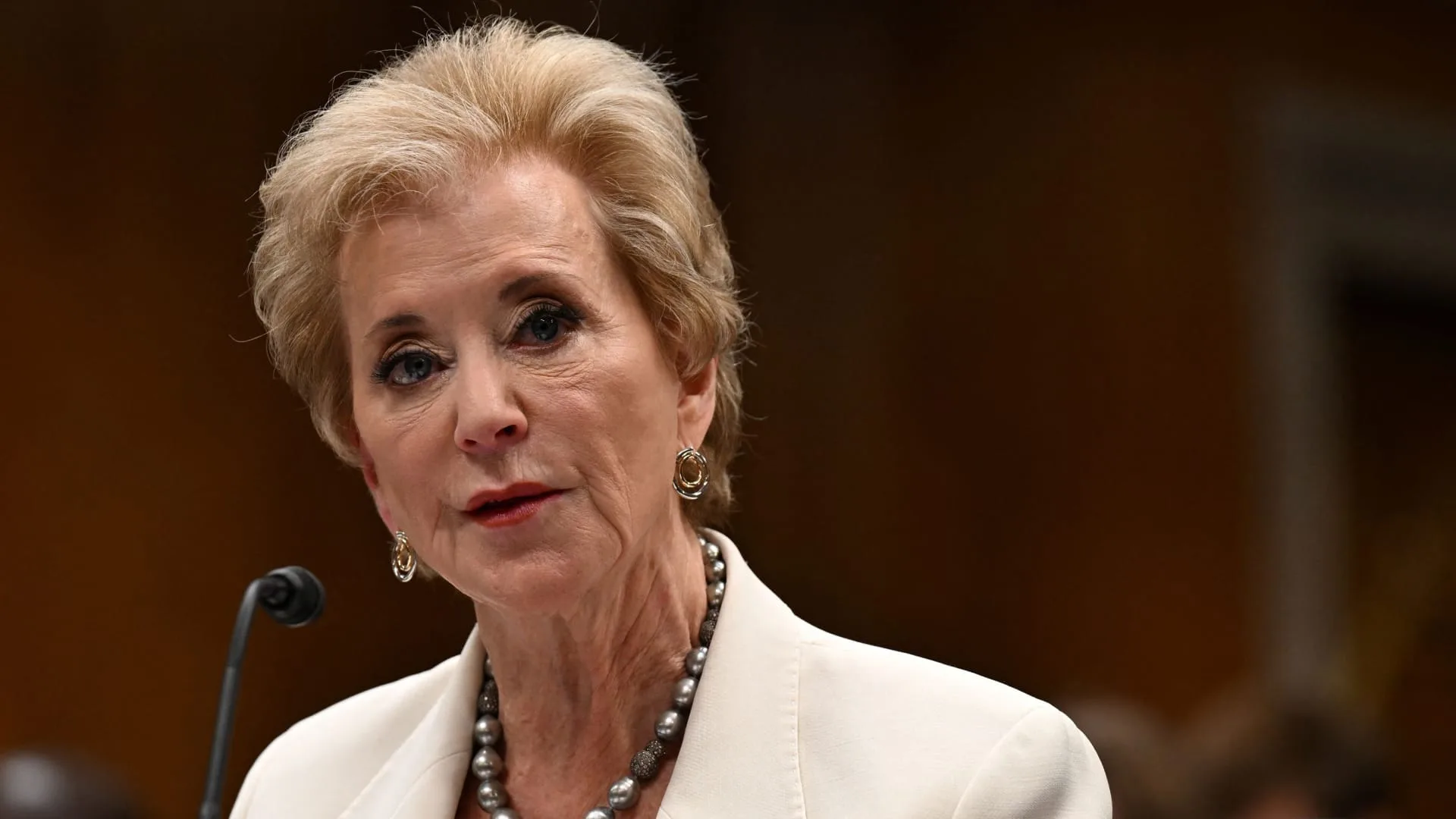
PPSL argues that the Department of Education under Secretary Linda McMahon has not taken adequate corrective steps. As of this news being published, the Department of Education did not respond to a request for comment. This silence could strengthen the plaintiffs' argument that the problem is not mere technical negligence, but a systematic disregard for borrowers' rights.
"When the Department of Education told me these loans were discharged, I thought I could forget about them and start building my life, but my credit report says otherwise," Jorge Cortes said in his statement.
For Indonesia, this case is an important mirror. The credit reporting system in the country, managed by SLIK OJK (formerly BI Checking), is also vulnerable to data mismatches. Although the context differs—Indonesia does not have a mass education debt forgiveness scheme like the US—the principle is the same: credit data accuracy is the foundation of financial trust. If the government or financial institutions fail to update the status of debts that have been paid off or forgiven, consumers can be trapped in bad records that should not exist.
Moreover, the case highlights the need for stronger legal protection for consumers in the financial services sector. In the US, class action lawsuits are an effective pressure tool. In Indonesia, similar mechanisms are still rarely used, even though the Consumer Protection Law provides room for them. Going forward, OJK and consumer protection bodies need to strengthen oversight of data accuracy in SLIK, especially as online lending and buy now pay later schemes grow.
Most crucially, the case shows that debt forgiveness policies are not enough to merely announce. They must be executed down to the most technical layer: database updates. Without that, any policy, however large, will lose meaning for the people it is supposed to help. The question is, will the US government promptly fix its credit reporting system, or will thousands of other borrowers have to take legal action to obtain justice that should be automatic?