Reddit Moderator Loses as Nintendo Wins Rp70 Billion from Switch Piracy Lawsuit
Baca dalam 60 detik
- Pengadilan Washington memutuskan James Williams alias Archbox membayar ganti rugi 4,5 juta dolar AS kepada Nintendo atas tuduhan mengelola toko pembajakan Switch.
- Nintendo menaksir kerugian 170 juta dolar AS akibat pembajakan yang marak sebelum peluncuran Switch 2, memicu gelombang tuntutan hukum.
- Komunitas pembajakan Switch berbalik menyerang Williams, sementara Nintendo memperketat pengawasan menjelang perilisan konsol generasi berikutnya.
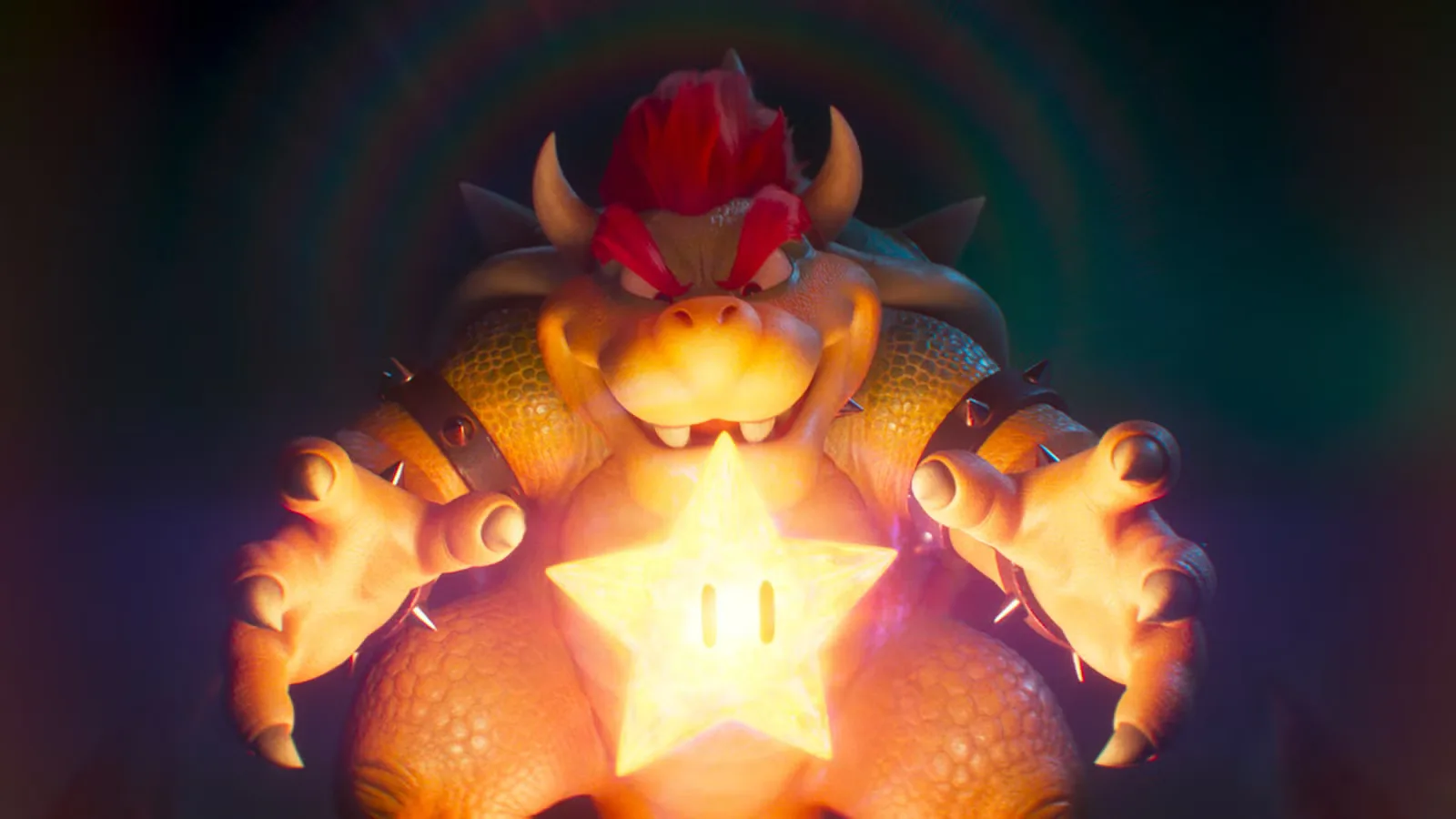
Nintendo won a civil lawsuit worth 4.5 million US dollars (around Rp70 billion) against James Williams, a Reddit moderator known as Archbox. The Washington court ruling was issued after Williams never appeared in court, so the panel of judges decided the case by default.
Williams was accused of operating a number of online stores that sold illegal download access to Nintendo Switch games. In the lawsuit filing, Nintendo alleged that Williams not only distributed copies of games but also promoted piracy practices to the wider public. The court ordered Williams to immediately shut down all the store services he operated.
This case is not the first for Nintendo. For years, the Kyoto-based company has aggressively pursued legal action to eradicate piracy. From download sites, hardware hackers, and sellers of pirated software to users who stream pirated games live on streaming platforms. Nintendo even once worked with the FBI to track down piracy networks that cost them money.
In court documents, Nintendo called its legal move "reasonable" because it did not seek the maximum statutory damages, which could reach into the tens of millions of dollars. The company argued that the amount it requested was commensurate with the impact of Williams's actions. However, the 170 million US dollar figure cited as an estimated loss shows how large the revenue leakage they experienced was, especially before the launch of the Switch 2.
The piracy phenomenon in the Switch ecosystem is indeed unique. Almost every major release, from The Legend of Zelda to Pokémon, often leaks and becomes available for download before the official launch date. This situation is worsened by security vulnerabilities in the hardware that allow users to run unofficial software. Nintendo responded with an aggressive legal strategy, including targeting individuals considered key actors in the piracy community.
"He was stupid for selling this stuff," wrote one of the most popular replies on a Switch piracy forum, which now actually attacks Williams. "He was asking to be destroyed."
The community's turn against Williams highlights a unique dynamic in the world of piracy: solidarity often evaporates when someone is seen as seeking personal profit. Meanwhile, Nintendo appears unlikely to ease the pressure. The company is preparing to welcome the Switch 2 life cycle, and intellectual property protection will be a top priority to safeguard revenue from game sales and subscription services.
For Indonesia, this case is an important mirror. The software piracy rate in the country is still relatively high, and console games are no exception. Although under Indonesian law there is a Copyright Law that prohibits the distribution of illegal content, enforcement is often weak. This ruling in the United States could set a precedent that multinational companies are willing to pursue offenders all the way to court, even against individuals operating on online forums. Game retail businesses in Indonesia, including online stores selling accounts or illegal access, need to be wary of potential cross-border lawsuits.
Going forward, the question is no longer whether Nintendo will keep suing, but how effective that legal strategy is at suppressing piracy rates. If the Switch 2 is still massively pirated, will millions of dollars in damages be enough to deter, or will it simply become an operating cost factored in by the perpetrators?