Meta Ray-Ban Gen 3 Officially Launches: Longer Battery Life, Slightly Higher Price
Baca dalam 60 detik
- Meta meluncurkan Ray-Ban Gen 3 dengan peningkatan daya tahan baterai hingga 9 jam dan tambahan tombol aksi yang dapat dikustomisasi.
- Perangkat ini dibanderol mulai $449, sedikit lebih mahal dari generasi sebelumnya, namun menawarkan tiga pilihan bingkai termasuk Aviator dan Zena.
- Bagi pengguna Gen 2, peningkatan tidak terlalu signifikan sehingga belum mendesak untuk beralih, tetapi bagi pendatang baru, Gen 3 menjadi opsi menarik.
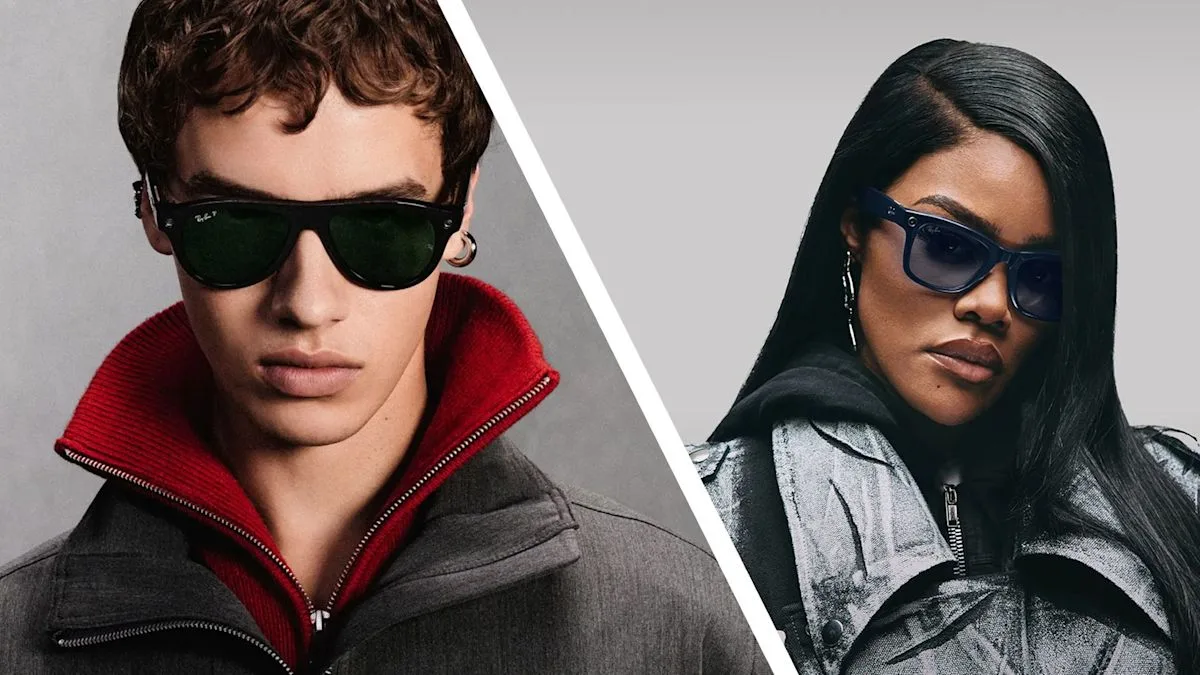
Meta officially introduced Ray-Ban Gen 3 at its Connect event this week, marking an evolutionary step for its smart glasses lineup. The main improvement lies in battery life, claimed to reach 9 hours on a single charge, up from 8 hours on the second generation, plus an additional action button whose function can be customized. The move underscores Meta's ambition to dominate the increasingly competitive wearable market.
On the design side, Meta says the Gen 3 is slimmer and more comfortable to wear. Three frame options are available: Wayfarer (including a large size), the iconic Aviator, and Zena—a new cat-eye frame billed as a confident style statement. In total there are 27 lens and color combinations, including Black and Havana. The retail price starts at $449, a slight increase from $379 at the Gen 2 launch. Notably, the Gen 2 price has not dropped, so consumers can still choose the previous generation at a lower price tag.
Despite the improvements, the camera and audio specifications are unchanged: it still carries a 12MP ultrawide camera with 3K video recording, 32GB of storage, and a speaker noise level of 76.1 dB(C). The striking difference is in the microphone array—the Gen 3 has six microphones, while the Gen 2 has only five—promising clearer voice input. The fast-charging feature also remains the same: from zero to 50% in just two minutes.
"The improvement from Gen 2 to Gen 3 is not as dramatic as the leap from Gen 1 to Gen 2," said a technology analyst who declined to be named. "For Gen 2 owners, there is no urgency to upgrade unless the new design tempts them."
In terms of functionality, the Gen 3 offers an experience nearly identical to its predecessor. Meta AI is still the brain behind the virtual assistant, audio/video calls, live assistance, and audio playback. The only differentiator is the additional action button that can be programmed to trigger the AI assistant, send a message to a favorite contact, or activate live translation. For those who have never tried smart glasses, the Gen 3 offers a complete package with meaningful improvements.
In the Indonesian market, the arrival of Meta Ray-Ban Gen 3 has not been officially announced. However, given the popularity of smart glasses among urban youth and content creators, the device has the potential to become both a style gadget and a content production tool. The higher price than the Gen 2 could be a consideration, especially if it enters through import channels with applicable taxes. Domestic creative industry players may be looking forward to its arrival to support live broadcasting or hands-free content creation.
Going forward, competition in the smart glasses segment is predicted to heat up. Meta has also introduced Meta VR Glasses and Ray-Ban Meta Audio without a camera, expanding their portfolio. The question is, will the Gen 3 drive mass adoption, or will it be an incremental update that makes consumers wait for the next generational leap? Time will tell, but one thing is certain: Meta keeps pushing the boundary between technology and lifestyle.