Third-Party Lenses Dominate the Japanese Market: Sigma 18-50mm f/2.8 Tops Sales, a Signal of Shifting Photographer Preferences
Baca dalam 60 detik
- Sigma 18-50mm f/2.8 DC DN | C untuk mount E menempati posisi teratas daftar lensa terlaris di Jepang versi Kitamura, diikuti Sigma 28-70mm f/2.8 DG DN | C.
- Fenomena ini menandai pergeseran di mana fotografer tidak lagi terpaku pada lensa bawaan merek kamera, melainkan memilih optik pihak ketiga dengan harga lebih bersaing.
- Lima lensa dari Fujifilm, Sony, Canon, dan Tamron harus berbagi peringkat kesembilan, mencerminkan ketatnya persaingan di segmen menengah.
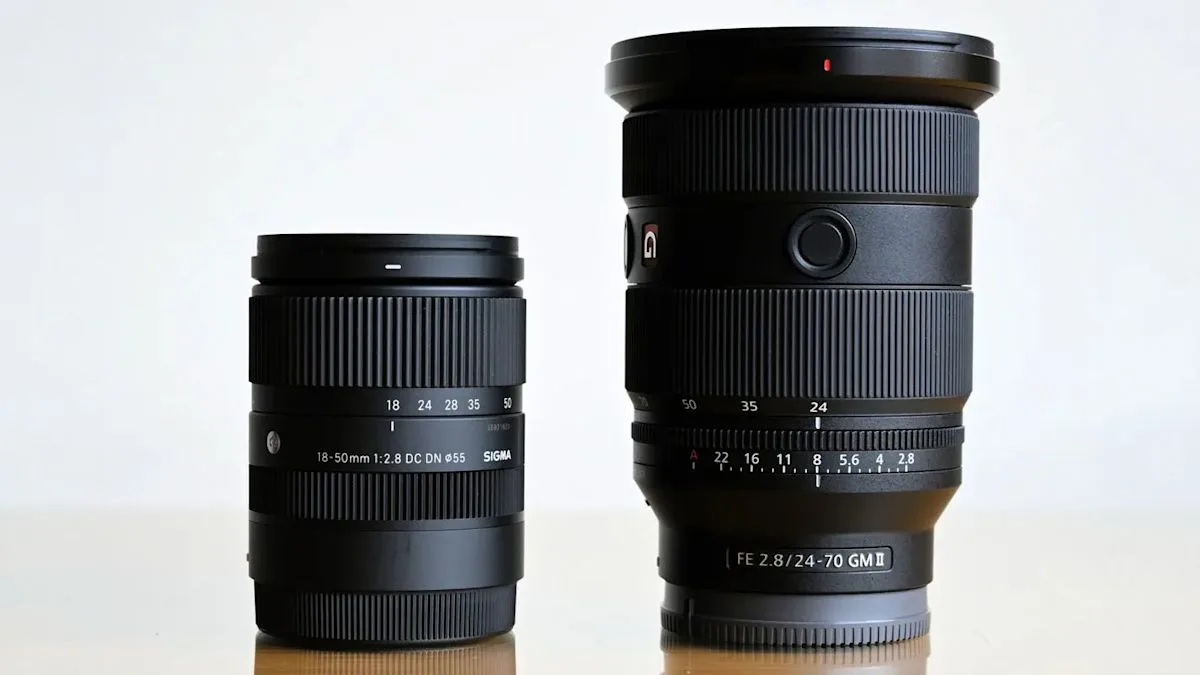
Third-party lenses once again dominate the list of best-selling lenses in Japan. According to the latest sales data from Kitamura, one of the major retailers there, the Sigma 18-50mm f/2.8 DC DN | C for E-mount takes the top spot, followed by the Sigma 28-70mm f/2.8 DG DN | C, also for E-mount. In third place is the Sony FE 100-400mm f/5.6-8 OSS, an affordable telezoom priced at around US$848 or £799.
What is interesting is that this is not just about one or two products. In the August 2026 sales list released by Kitamura, five lenses from Fujifilm, Sony, Canon, and Tamron have to share ninth place. Previously, no more than three lenses had ever occupied the same position in Japanese retail sales records. This phenomenon underscores how fierce competition is in the mid-range segment, while also showing that photographers are now increasingly open to non-OEM options.
The Sigma 18-50mm f/2.8 DC DN | C itself is known as a compact yet tough zoom lens. It weighs only about 290 grams, yet offers solid image quality, weather-resistant construction, and a friendly price. The lens is available for E, X, RF, and L mounts, making it compatible with a range of popular mirrorless camera systems. Its presence at the top of the sales chart confirms that portability and economic value are now key considerations for consumers.
Meanwhile, the Fujifilm XC 13-33mm f/3.5-6.3 OIS, which also made the best-seller list, is the smallest and lightest zoom lens in the X-mount lineup. Weighing only 125 grams and extending just 37.5 mm from the camera body, this lens is equivalent to 20-50mm on a full-frame camera. On the other hand, the Sony FE 70-200mm f/2.8 GM OSS II offers performance as a workhorse, while the Canon EF 50mm f/1.8 STM remains an attractive value option with impressive image quality. The Tamron 25-200mm f/2.8-5.6 Di III VXD G2 rounds out the list as a versatile superzoom.
"We found that the Sigma 18-50mm f/2.8 DC DN | C is very compact yet still sturdy. Its image quality is impressive, its construction is weather-resistant, and its price is easy on the pocket," reads the review quoted from the lens test.
For the Indonesian market, this trend could serve as a mirror. The country's growing photography community, especially in the mirrorless segment, often faces a dilemma between official and third-party lenses. The relatively high price of OEM lenses makes options such as Sigma, Tamron, or even manual lenses from other brands increasingly attractive. If the pattern in Japan continues, local distributors may need to adjust their stocking strategies to accommodate demand shifting toward third-party lenses with competitive price-to-performance ratios.
In addition, the dominance of third-party lenses also puts pressure on major camera manufacturers to innovate, both in terms of price and features. The presence of lenses such as the Sigma 18-50mm f/2.8, which offers a constant f/2.8 aperture across the entire zoom range with a light weight, is both a threat and an opportunity. For consumers, this means more choices and better bargaining power.
Looking ahead, the question is whether this trend will persist or reverse when major manufacturers release new lenses that are more aggressive on price. What is clear is that the lens market landscape is changing, and photographers around the world, including in Indonesia, will be both spectators and shapers of its direction. Are you ready to switch to third-party lenses for your photography needs?