iPhone X and Three Legacies That Changed the Face of the World's Premium Phones
Baca dalam 60 detik
- Apple memperkenalkan iPhone X pada 12 September 2017 sebagai lompatan desain generasi ke-10 dengan layar penuh dan tanpa tombol fisik.
- Tiga terobosan—layar edge-to-edge, Face ID, dan harga tembus USD999—menjadi standar baru yang diikuti produsen ponsel global.
- Kebijakan harga iPhone X turut mendorong kenaikan harga ponsel premium di Indonesia, memengaruhi daya beli dan strategi vendor lokal.
On September 12, 2017, Apple introduced the iPhone X in the "One More Thing" slot at the end of its launch event. The move marked a major shift: from phones with physical buttons to buttonless, full-screen devices. The decision by Tim Cook and his team at the time was not merely a celebration of ten years of the iPhone, but the laying of the foundation for the direction of the phone industry over the following decade.
The most striking change was visible on the screen. The iPhone X carried a 5.8-inch Super Retina panel—the first OLED in the iPhone lineup—capable of delivering richer colors and deeper blacks while being more power-efficient. Because the screen filled all four sides, there was no longer room for a home button. Apple switched to gesture-based navigation to replace the function of that iconic button.
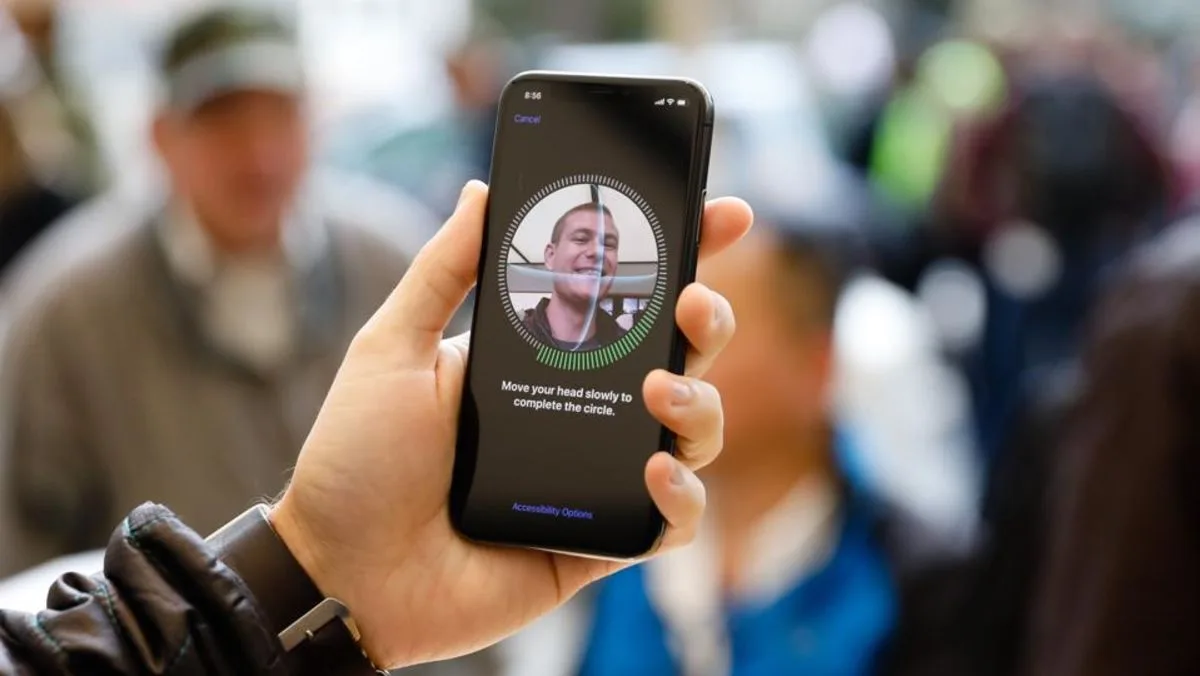
The absence of a home button forced Apple to find another way to retain biometric identification. While some Android phones placed fingerprint scanners in the side power button, Apple chose a different path: Face ID. This technology projects 30,000 infrared dots onto the user's face, reads a depth map of facial features, and then matches it against an encrypted key registered during initial setup. Support from the A11 chipset made the recognition process fast enough to be accepted by users.
The three elements of the iPhone X—an edge-to-edge screen with gesture navigation, facial recognition as a replacement for PINs, and its price tag—became the de facto standard for flagship phones. Apple raised the price of its top iPhone from USD650 to USD999, effectively introducing four-digit pricing for premium phones. The market followed suit, as if receiving implicit blessing from Apple.
"The iPhone X price increase became a signal to the entire industry that consumers were willing to pay more for innovation," said a technology analyst who monitors the global smartphone market.
For Indonesia, the impact of the iPhone X was felt on two fronts. First, premium phone prices in the country soared as other brands adjusted to the new benchmark. Indonesian consumers who had been used to price tags of Rp10–12 million for flagships now faced options of Rp15–20 million. Second, the arrival of Face ID and full screens triggered a design shift in the mid-range segment, although those features only reached high-end devices.
Indonesia's price-sensitive phone market faces a dilemma: adopt new technology or preserve purchasing power. Vendors such as Samsung, Xiaomi, and Oppo subsequently launched devices with full screens and in-display fingerprint scanners, but kept prices competitive. The Domestic Component Level (TKDN) regulation also encouraged local assembly, making production costs a consideration in their own right.
Going forward, the legacy of the iPhone X will continue to be felt. The big question: will the next innovations—from foldable screens to generative AI—once again change pricing and design standards, or will the Indonesian market instead move in the opposite direction by demanding advanced yet affordable devices? Only time will tell, but the industry's direction has already changed since 2017.