KPU Admits High School Diploma Exemption in PKPU 19/2023 Was Only for the 2024 Presidential Election
Baca dalam 60 detik
- Ketua KPU Mochammad Afifuddin menegaskan Pasal 18 Ayat (3) PKPU 19/2023 yang membebaskan syarat ijazah SMA bagi calon dengan gelar luar negeri memang dirancang spesifik untuk Pilpres 2024.
- Pengakuan ini muncul saat sidang PHPU di MK, di mana hakim konstitusi mempertanyakan dasar hukum dan konsistensi aturan tersebut dengan pemilu sebelumnya.
- Terungkap bahwa norma serupa tidak pernah ada di Pilpres 2019, memicu pertanyaan tentang preseden hukum dan potensi ketidakpastian regulasi pencalonan di masa depan.
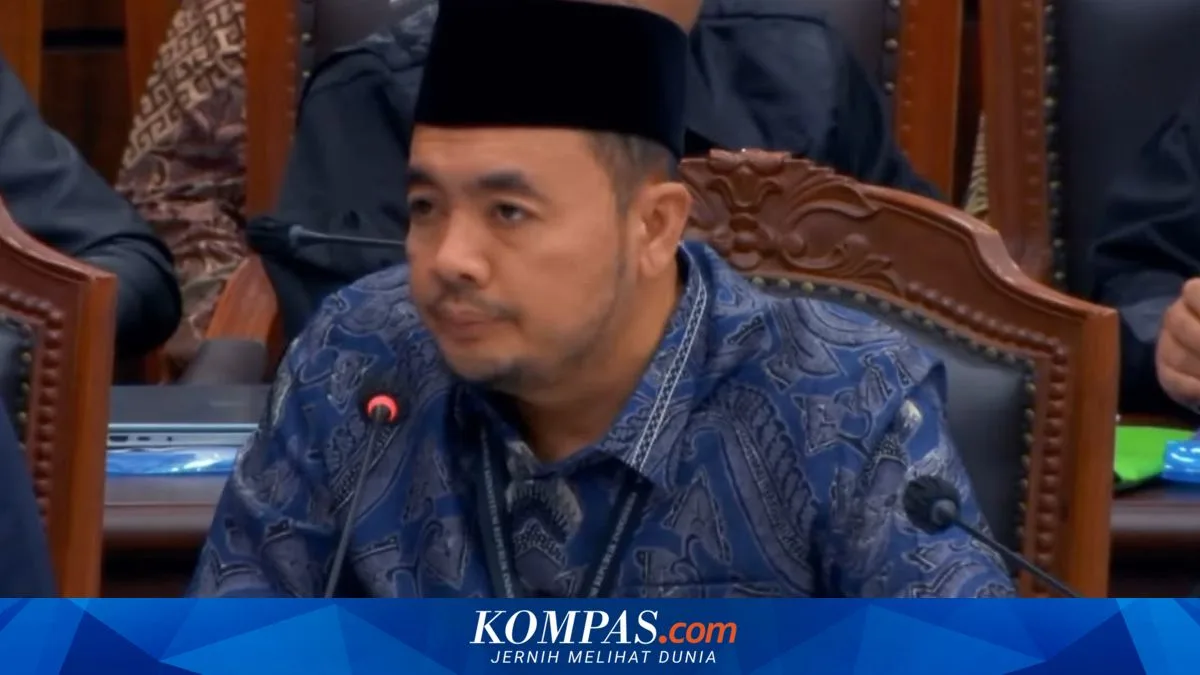
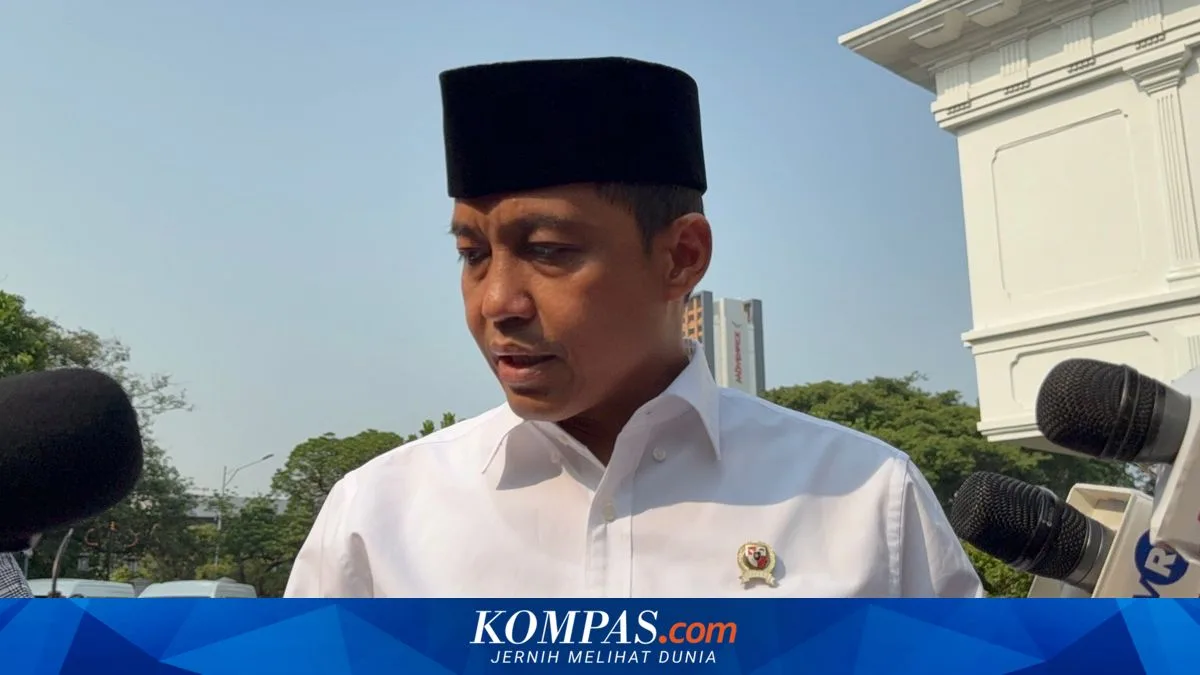
The General Elections Commission (KPU) has finally come clean about the origins of the rule that waived the high school graduation certificate requirement for presidential or vice-presidential candidates who pursued higher education abroad. In a hearing on the 2024 presidential election results dispute at the Constitutional Court on Wednesday (23/9/2026) night, KPU Chairman Mochammad Afifuddin stated that the norm in Article 18 Paragraph (3) of KPU Regulation Number 19 of 2023 was indeed drafted specifically for the 2024 contest, not as a general rule applicable across elections.
The statement came after Constitutional Justice Enny Nurbaningsih traced the regulatory trail. She wanted to ascertain whether the exemption for secondary school diplomas was designed for every presidential election, or applied only to one particular edition. "Was this norm made for all presidential candidate requirements, or specifically only for the 2024 Presidential Election?" Enny asked, as quoted from the courtroom.
Afifuddin's answer opened a new chapter in the proceedings. He admitted that the rule did not appear in previous elections. KPU Commissioner Idham Kholid added that the drafting of the norm referred to Permendikbud Number 29 of 2014 on the Legalization of Foreign Diplomas and Permendikbudristek Number 6 of 2022 on Special Equivalency of Higher Education. However, Constitutional Justice Saldi Isra highlighted the long gap between the issuance of Permendikbud 2014 and the 2024 Presidential Election, and questioned whether the rule on foreign diploma equivalency had ever existed in the KPU regulation for the election five years earlier.
"The material stating that a presidential or vice-presidential candidate with foreign equivalency, did it exist or not in the previous KPU regulation, the 2019 election?" Saldi pressed. Afifuddin answered firmly that the rule had never been regulated before 2024. Enny then concluded, "That is actually what I was asking for an answer to."
For the public, this admission is not merely an administrative detail. It touches the core of the integrity of the nomination process: the extent to which the rules of the game can be changed or created to accommodate certain situations. In the context of the 2024 Presidential Election, the norm became one of the footholds that allowed Gibran Rakabuming Raka to run as a vice-presidential candidate despite not having gone through domestic secondary education. The petitioners in this dispute argue there was special treatment that undermined the principle of equality among candidates.
From a constitutional law perspective, the KPU's admission that the rule was specific to one election edition can be a double-edged sword. On one hand, the KPU argues that technical regulations can indeed adapt to the needs of the times, especially to accommodate candidates with legally valid international educational backgrounds. On the other hand, this precedent opens room for criticism that election organizers have broad discretion to form norms that apply to only one cycle, without adequate public deliberation.
"That norm was also used in Regional Elections before and after the 2024 Presidential Election," Afifuddin said, trying to emphasize that the rule was not entirely exclusive.
However, the statement did not immediately ease questions about consistency. For if a similar norm was used in regional elections, why did it only appear in the 2023 PKPU and not in the KPU regulation for the previous election? This question points to a deeper issue: whether the drafting of KPU regulations has been sufficiently participatory and transparent, or is instead vulnerable to being directed toward short-term electoral interests.
For investors and market players, this kind of regulatory uncertainty can be a disturbing signal. The business world often demands certainty in rules, including in the political sphere. When nomination rules can change according to the needs of a single event, long-term policy risk increases. Political stability, which is the foundation of the investment climate, depends on how firmly election organizers uphold the principles of fairness and openness.
Going forward, the Constitutional Court will determine whether this practice is constitutionally acceptable or instead becomes a bad precedent that needs correction. If the Court lets such an exclusive norm stand, it is not impossible that every subsequent presidential election will be colored by similar efforts to tailor rules to a particular candidate. Conversely, if the Court strengthens the standard that every exception must go through rigorous public scrutiny, election organizers will be required to be more careful in drafting regulations. The question is, will the KPU revise its approach, or wait for a ruling that could bind permanently?