Bitcoin Pressured Below US$84,000 as US Treasury Yields Hit Highest Level Since 2007
Baca dalam 60 detik
- Harga Bitcoin melemah ke kisaran US$83.300 setelah reli pagi gagal bertahan, terseret lonjakan imbal hasil Treasury AS tenor 10 tahun ke titik puncak hampir dua dekade.
- Tekanan menjalar ke seluruh pasar kripto: Ether, XRP, dan Solana kompak turun, sementara indeks dolar menguat ke level tertinggi sejak Juli dan futures Nasdaq anjlok lebih dari 1%.
- Pasar menanti apakah kenaikan yield obligasi ini bersifat sementara atau awal dari era suku bunga tinggi yang lebih panjang—faktor penentu arah aset berisiko, termasuk kripto, dalam beberapa pekan ke depan.
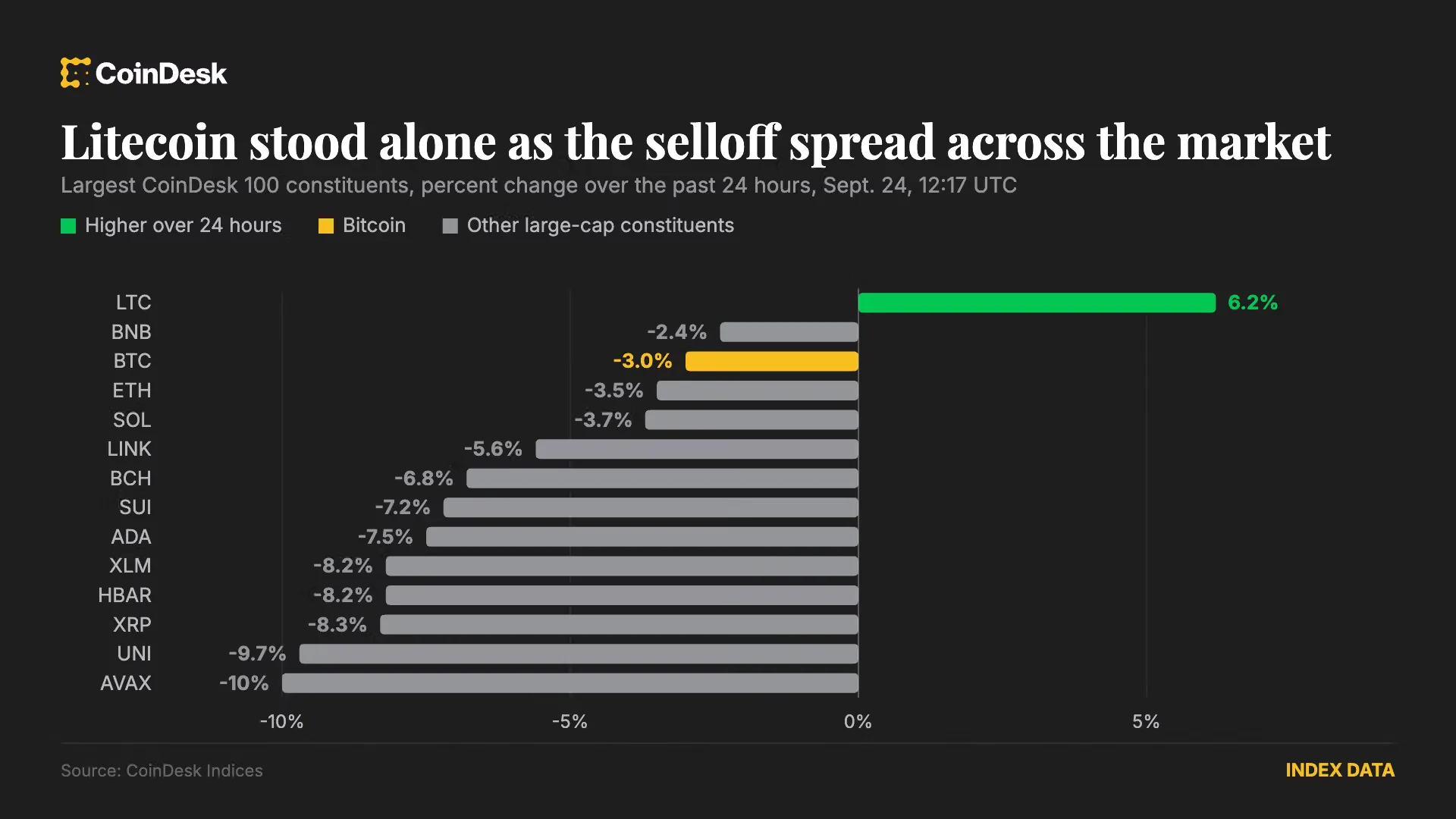
Bitcoin lost momentum again after a brief rebound on Thursday morning. The largest cryptocurrency traded around US$83,344, down 1.23% since midnight UTC, pressured by a bond selloff that pushed the 10-year US Treasury yield to its highest level since 2007. This marks the second day that stress in the bond market has spilled over into digital assets.
The decline did not stop at Bitcoin. Ether weakened 1.55% to US$2,635, XRP shed 2.87%, and Solana fell 1.61% to US$113.14. Smaller-cap tokens bore the heaviest burden: NEAR and HYPE plunged 3.32% and 3.94% respectively. This pattern shows that the current correction is not merely a rotation between coins, but systemic pressure hitting the entire risk-asset class.
In currency markets, the dollar index (DXY) strengthened 0.13% to 101.24—its highest since July—while gold fell 0.71% to US$4,257. US equity futures also moved into the red: S&P 500 futures lost 0.61% and Nasdaq 100 futures dropped more than 1%. The combination of a strong dollar, surging bond yields, and pressured equities creates an environment that has historically been unfriendly to speculative assets such as crypto.
For crypto investors, this dynamic once again underscores the correlation between digital assets and global liquidity conditions. When US government bond yields rise, the alternative returns from non-yielding assets such as Bitcoin become less attractive. Combined with a stronger dollar, the appeal of US dollar-denominated assets abroad—including for Asian investors—is also eroded.
"The crypto market is testing how resilient digital assets are to macro pressure originating from the bond market," said a market analyst tracking cross-asset moves, adding that the current yield level has become the main reference for market participants in determining risk exposure.
The Indonesian context is relevant given that more domestic retail investors are placing funds in crypto instruments through licensed exchanges. A Bitcoin decline is usually followed by a deeper altcoin correction, so portfolios dominated by second-layer tokens could see larger value declines. On the other hand, a stronger US dollar can pressure the rupiah exchange rate, which indirectly affects investors' purchasing power for dollar-denominated crypto assets.
Domestic regulators, including OJK and Bappebti, continue to strengthen the supervisory framework for crypto assets. However, volatility triggered by external factors like this underscores that risk literacy—not just technical knowledge—is key for retail investors so they do not get trapped buying at the top and selling at the bottom.
Looking ahead, the big question is whether this bond yield spike is a temporary surge driven by monetary policy expectations, or the start of a new era of longer high interest rates. If the pressure continues, Bitcoin could test support levels below US$80,000, while altcoins could see deeper corrections. Conversely, if yields begin to ease, a technical rally could reopen. The crypto market is now not only about adoption and regulation, but also about how quickly market participants adapt to a changing macro reality.