Lothar Matthäus Praises New Direction of Germany National Team Under Jürgen Klopp
Baca dalam 60 detik
- Lothar Matthäus menilai Jürgen Klopp sebagai sosok yang tepat untuk membawa Timnas Jerman kembali bersaing di level tertinggi.
- Klopp disebut mulai membangun fondasi jangka panjang dengan memanggil banyak pemain muda dan menjaga komunikasi langsung dengan pemain.
- Matthäus juga menyoroti peluang Borussia Dortmund finis minimal di posisi kedua Bundesliga, meski Bayern München masih menjadi penghalang utama.
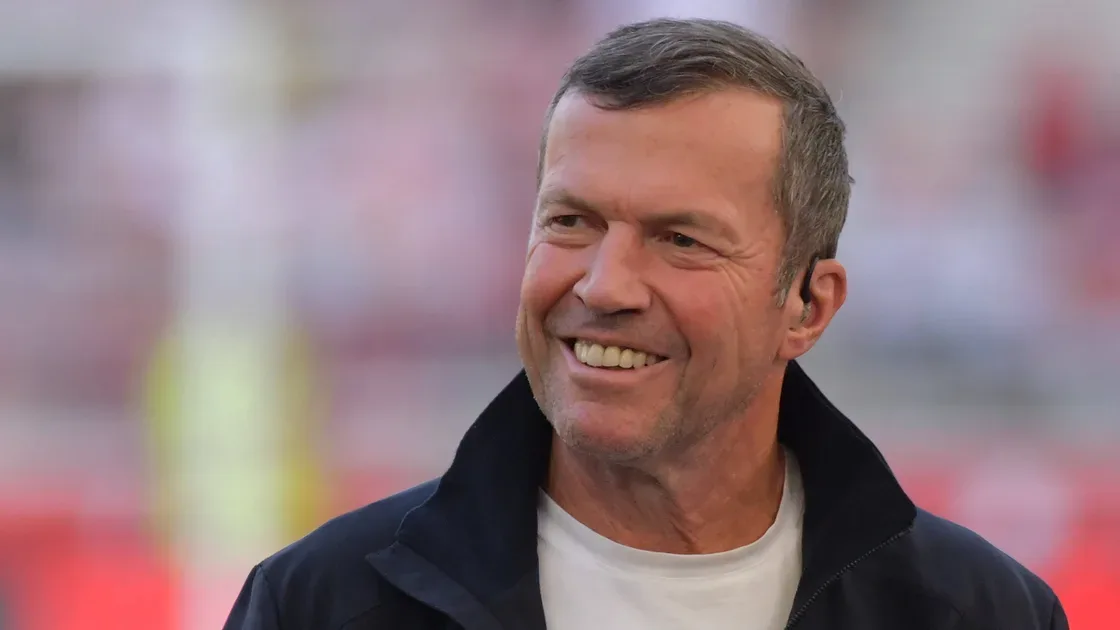
German football legend Lothar Matthäus has given a positive assessment of the early days of Jürgen Klopp's leadership as head coach of the Germany national team. According to him, the former Liverpool and Borussia Dortmund mastermind is not merely continuing his predecessor's legacy, but is building a new identity oriented toward the future of German football.
Matthäus, who holds the record for the most appearances for the Germany national team, said Klopp has shown his distinctive style since his first press conference. He believes Klopp's direct and dynamic approach to communication is the main differentiator compared with previous coaches. "Jürgen will stay Jürgen. He won't get stuck on what his predecessors did, right or wrong. He will find his own way," Matthäus said in an interview with Bundesliga.com.
For Matthäus, one of Klopp's strengths is his ability to build personal relationships with players. He cited how Klopp contacted Deniz Undav and Oliver Baumann directly to explain why they were not called up to the squad. According to Matthäus, players appreciate that kind of transparency, even when the decision is not always pleasant. "At least they know the reason behind the decision," he added.
In the context of tactics and regeneration, Matthäus believes Klopp is not focused only on short-term results. The call-ups of several young players, including Nathaniel Brown, who has just joined Bayern München, are seen as a signal that Klopp is laying the foundation for the next major tournaments. "Jürgen is not only thinking about now. He is thinking about the future of German football. That is why many young players get a chance, because they may bring qualities the senior players do not have," Matthäus explained.
He also highlighted Nathaniel Brown's flexibility, which he considers well suited to playing as a left-back, whether in a three-man or four-man defense. According to Matthäus, Brown's speed and attacking ability give an extra boost to Germany's forward line. Meanwhile, striker Younes Ebnoutalib, who has scored four goals early in the season, also received praise. Matthäus considers Ebnoutalib's call-up a reasonable decision as long as he holds a German passport and shows sharp form at club level.
"By naming this squad, Klopp shows that he wants to get to know the players. It is a big decision to call up 44 players and select two squads. All the young players can get close to the head coach for nine days," Matthäus said.
At club level, Matthäus also commented on Borussia Dortmund's performance, as they currently top the Bundesliga table. He believes Dortmund can at least finish second, even though the club's internal target is higher. "Above them is Bayern München, who are like a juggernaut. This season is still too early for Dortmund to go further, but they are currently two points ahead of Bayern and that deserves appreciation," he said.
Matthäus praised Dortmund coach Niko Kovač, who he said is often underestimated. Kovač took Dortmund from 10th place to fourth, then finished as runner-up last season. "Niko has been a great discovery for Dortmund from the start. I know his personality, his competitiveness, and his attitude toward football," Matthäus said. He added that Kovač is able to convey tactical messages clearly, even when the play is not always spectacular.
For readers in Indonesia, the dynamics of the Germany national team and the Bundesliga offer a lesson on the importance of a planned leadership transition. Klopp and Kovač show that success is not only about tactics, but also about communication management and the courage to give space to the younger generation. This is relevant to the challenges facing Indonesian football, especially in building a sustainable national team and a competitive domestic competition.
Going forward, the German football public will watch whether Klopp's approach can bring the Germany national team back to title contention at major tournaments. Meanwhile, in the Bundesliga, the duel between Dortmund and Bayern will test whether Kovač can maintain his team's consistency. Will Klopp and Kovač prove that generational renewal is the key to German football's revival?