Meta Releases Camera-Free Glasses, a Retreat Signal Amid Global Privacy Pressure
Baca dalam 60 detik
- Meta meluncurkan Ray-Ban Meta Audio tanpa kamera, mengandalkan fitur audio dan panggilan suara, sebagai respons atas gelombang kritik privasi.
- Langkah ini dinilai analis sebagai taktik meredam kemarahan publik tanpa meninggalkan ambisi kamera pada kacamata pintar generasi berikutnya.
- Bagi Indonesia, produk ini berpotensi masuk pasar tanpa regulasi spesifik, sementara kesadaran privasi digital masih rendah.
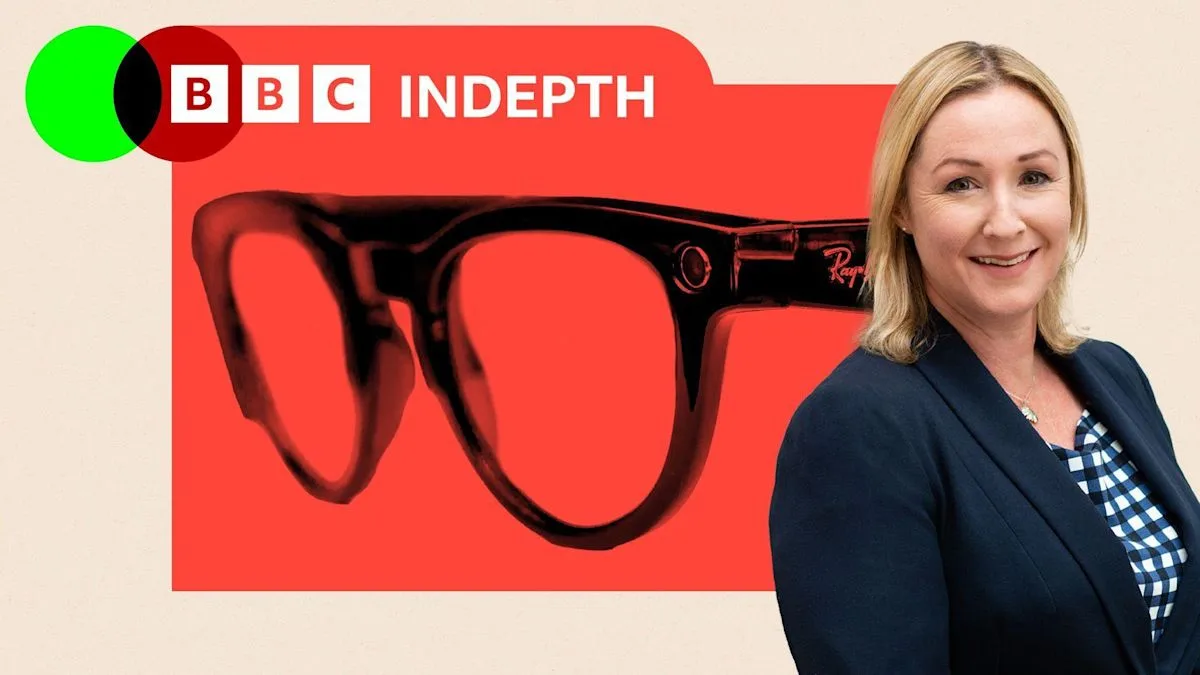
Meta officially introduced Ray-Ban Meta Audio, a version of its smart glasses that completely removes the camera, on Thursday (local time). The move follows a series of incidents in which earlier devices were misused to record women without consent, triggering bans in a number of public spaces and the cynical nickname "pervert glasses".
The new product retains audio functions—phone calls, music playback, and a voice assistant—without visual capability. Meta claims development of this model has been underway for two years, denying that its launch was accelerated by public pressure. It is cheaper, has a lighter frame, and is claimed to have better battery life than the camera-equipped version.
The decision comes amid a storm of controversy that has yet to subside. Since their launch in 2023, Meta-Ray-Ban smart glasses have been banned in various JD Wetherspoon pubs in the UK, a number of major theaters, Comic-Con, several schools, and even the Faslane nuclear submarine base. Even a marketing campaign featuring Kylie Jenner failed to change the image of a device seen as a threat to privacy.
Some observers see the move as a strategic pivot. Janusz Swierczynski, a researcher at Saïd Business School, University of Oxford, called the arrival of a camera-free version a "positive sign" that Meta is starting to listen to privacy concerns. But he added that the response is "not perfect" because camera-equipped glasses remain freely on sale.
Ben Wood of CCS Insight doubts there has been a change of course. According to him, the camera is the main pillar of smart glasses because it can capture visual data that fuels AI. "That is an incredibly valuable data stream for AI platforms," he said. He suspects Meta has long been developing the audio version and that the current moment of controversy has actually become the "right time" for its launch.
"These glasses should never have left Meta's laboratory. This is a real betrayal of public trust and of women's equality," said Liz Hunter, a technology founder who is rallying a petition for strict regulation of smart glasses.
On the other hand, some consumers and the blind community do benefit from smart glasses. One user called them a "game-changer" because they can provide audio descriptions of locations and read out text such as restaurant menus. Meta even donated 15,000 units to foundations for the blind in Ireland this year. However, concerns over camera misuse continue to loom.
Several other companies are trying different approaches. The HTC Vive Eagle, for instance, automatically disables the camera if it hears the commands "stop filming" or "stop recording" through one of its four microphones. Recordings are also encrypted so that HTC cannot access them. "We acknowledge there are challenges that can become a real problem, especially for women," said Thomas Dexmier, vice president of HTC Vive.
Forrester analyst Kate Winick sees this launch not as a Meta retreat, but as a "half step sideways" to give users room to get used to the technology. Paradoxically, the arrival of camera-free glasses could actually dampen anger toward wearers of camera-equipped glasses, because the public can no longer immediately accuse them. "You can't automatically be angry at everyone wearing Meta glasses, because they may not have a camera," she said.
For Indonesia, this development deserves attention. The smart device market in the country continues to grow, but specific regulations governing visual recording in public spaces remain minimal. Awareness of privacy rights is also relatively low, so the potential for misuse could be greater. If Meta brings Ray-Ban Meta Audio here, it may be received as a lifestyle gadget without adequate ethical discourse.
Going forward, the question is no longer whether cameras will disappear from smart glasses, but how quickly social norms and legal frameworks can catch up with the pace of innovation. Without that, every new product launch will only repeat the same cycle of controversy.