Meta Unveils Rp20 Million VR Glasses and AI Pendant, Metaverse Bet Continues
Baca dalam 60 detik
- Meta resmi memperkenalkan kacamata VR seharga US$1.299 yang akan dijual pada musim semi 2027, jauh lebih mahal dari headset Quest sebelumnya.
- Perusahaan juga meluncurkan Muse Charm, perangkat genggam yang berfungsi sebagai jembatan ke agen AI pribadi Meta tanpa perlu membuka ponsel.
- Langkah ini menegaskan strategi ganda Meta: mempertahankan bisnis VR sembari mempercepat adopsi asisten AI di perangkat konsumen.
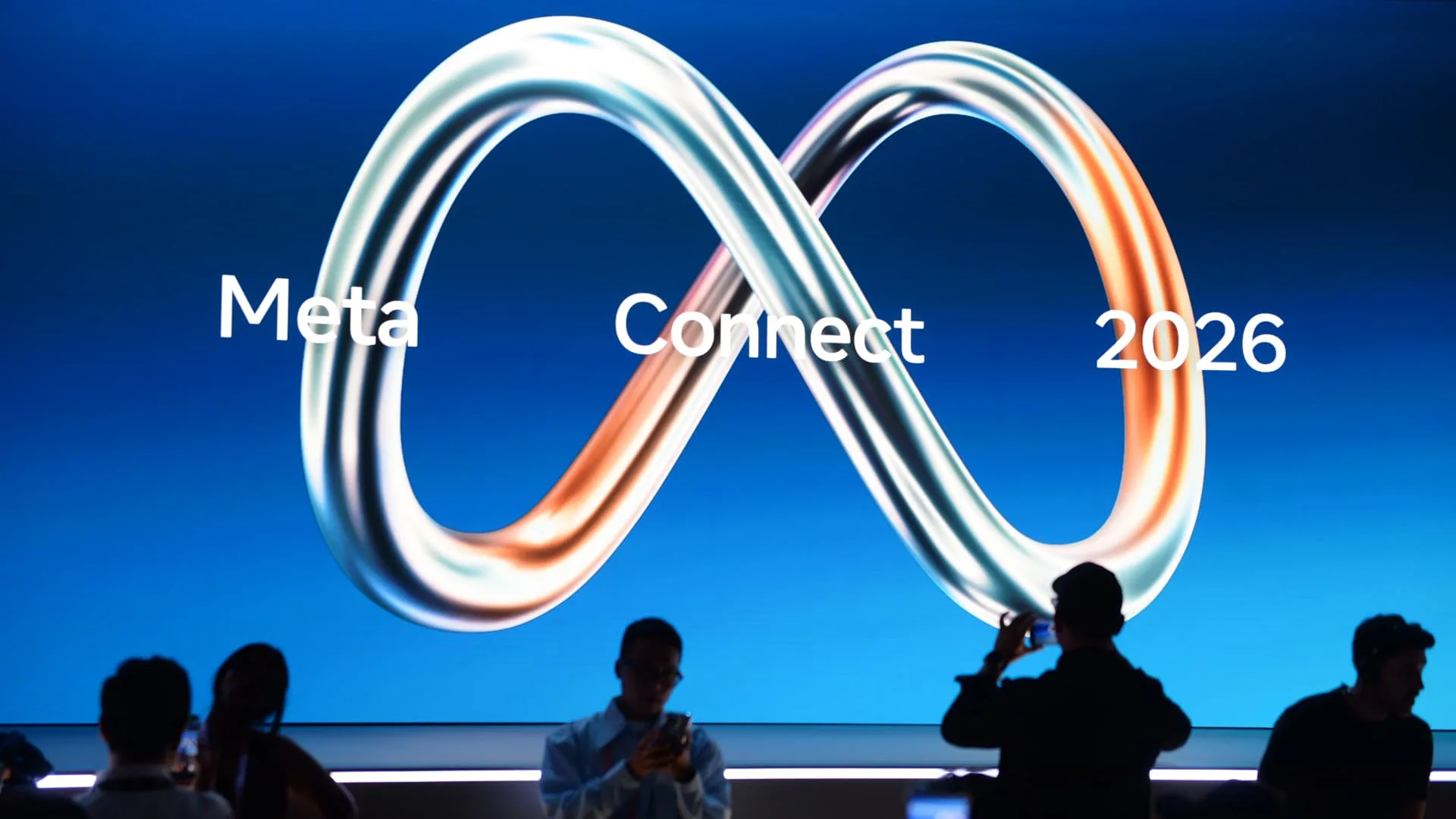
Meta is shaking up the immersive device market again with its latest VR glasses, priced at US$1,299, or around Rp20 million (at an assumed exchange rate of Rp15,500). The product, which has not yet been given an official name, is scheduled to go on sale in spring 2027, marking CEO Mark Zuckerberg's big bet that virtual reality devices still have a commercial future even though mass adoption has fallen short of expectations.
The launch took place on stage at the annual Connect developer conference. Zuckerberg also showed off a handheld device called Muse Charm, designed to interact with Muse, the company's newly released personal AI agent. Unlike the bulky box-shaped Quest headset, the new VR glasses are slimmer and lighter, closer to the shape of ordinary glasses.
According to Zuckerberg, Muse Charm lets users talk to their AI agent without unlocking a phone or opening an app. "We've packed a lot of technology into this tiny device," he said. "If you're not wearing the glasses, this will be the fastest way to talk to Muse and show what's happening around you." Pricing for Muse Charm has not been announced, but Meta is targeting the device to ship in time for the December holidays.
On the technical side, the VR glasses rely on an external puck that carries a Qualcomm processor and battery, allowing weight and size to be reduced. The device is also equipped with eye-tracking and hand-tracking sensors, reducing reliance on controllers. Zuckerberg claims the device delivers a high-resolution visual experience with a sense of presence equivalent to previous-generation headsets, but in a form factor that has never existed before.
Meta's move underscores a two-pronged strategy: on one hand, it continues to fund the loss-making Reality Labs division; on the other, it pushes AI monetization through hardware. Since 2024, Meta has not released a new VR headset other than the US$299 Quest 3S. Now, with a price more than four times higher, the company is targeting the premium segment—a move some analysts question given that the consumer VR market tends to be stagnant.
"This is a new kind of VR device that delivers a sense of presence and immersion, high-resolution displays, and a view of the world around you in the form of glasses for the first time," Zuckerberg said.
For Indonesia, this launch opens up opportunities as well as challenges. The premium device market in the country remains price-sensitive, especially with fluctuations in the rupiah exchange rate. If Meta truly markets this product globally, the retail price in Indonesia could be far higher than US$1,299 because of import taxes and duties. On the other hand, the arrival of Muse Charm could accelerate the adoption of AI assistants among Indonesian consumers, which is currently dominated by cloud-based services from local and global players.
Technology observers say Meta's move reflects a belief that AI will become the primary interface between humans and devices, replacing touchscreens. However, the biggest challenge is not just technology, but the app ecosystem and user comfort. Without broad developer support, Rp20 million VR glasses risk becoming a niche item.
The question now is whether Meta can convince consumers that this device is not just an expensive toy, but an everyday productivity tool? And just as important, how will regulators in various countries—including Indonesia—respond to the presence of an AI agent that is always listening? The answer will shape the direction of the technology industry in the years ahead.