AHY Leadership Book Published, the Minister Claims He Knew Nothing: A Signal of 2029 Political Maneuvering?
Baca dalam 60 detik
- Agus Harimurti Yudhoyono (AHY) membantah mengetahui proses penyusunan buku 'Kepemimpinan AHY' yang melibatkan 27 penulis muda lintas profesi.
- Peluncuran buku ini memicu spekulasi politik karena melibatkan kader inti Partai Demokrat dan muncul di tengah wacana koalisi Pilpres 2029.
- Publik perlu mencermati apakah ini murni apresiasi kepemimpinan atau bagian dari strategi pencitraan dini menjelang kontestasi elektoral mendatang.
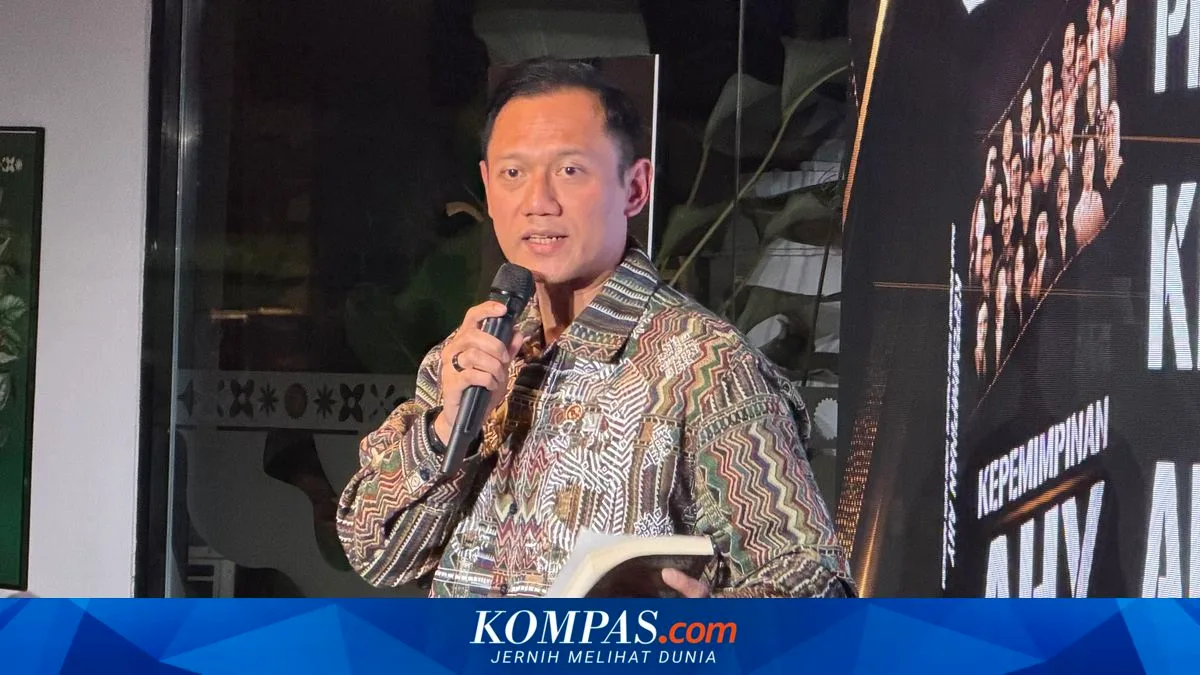
Coordinating Minister for Infrastructure and Regional Development Agus Harimurti Yudhoyono (AHY) has publicly stated that he was not involved in the preparation of the book titled Kepemimpinan AHY: Dalam Beragam Sudut Pandang Tokoh Muda Indonesia (AHY's Leadership: Through Various Perspectives of Young Indonesian Figures). The statement was made while attending the launch of the book published by Penerbit Buku Kompas in Central Jakarta on Wednesday (23/9/2026).
AHY's admission surprised many. The five-chapter book is not merely a collection of ordinary essays. A total of 27 writers from academia, practitioners, regional leaders, and activists were involved in the project. Two names stand out as editors: Herzaky Mahendra Putra, Head of the Strategic Communication Agency (Bakomstra) of the Democratic Party, and Mohammad Jibriel Avessina, Deputy for Information Data Analysis of the Democratic Party. Both are close associates of AHY within the party structure.
In his remarks, AHY said he only learned of the book's existence after the drafting process was completed. He even said that more than half of the writers were not personally known to him. "I was also surprised when this book was finished. I myself knew nothing about what the initiative was like, or since when," AHY said, as quoted from his official statement.
Although he claimed not to know the process, AHY did not deny that the book was born from the initiative of young people who still hold optimism about the role of leadership. He said leadership does have great transformative power. "Leadership does matter," he said, adding that he had never asked anyone to make a book about him.
"I was shocked to learn there were 27 writers, one could say young figures from various professions, from various regions. Most of them, more than half, I do not know personally." — Agus Harimurti Yudhoyono
On that occasion, AHY also shared his views on the essence of true leadership. According to him, a leader should not be busy thinking only about what legacy he wants to leave behind after stepping down. He is required to prepare a successor capable of continuing unfinished agendas. This statement is worth noting because AHY currently serves as General Chairman of the Democratic Party, a party with a long history in the governing coalition.
Indonesian Context: A Signal of Maneuvering Toward 2029?
The launch of this book cannot be separated from the increasingly heated dynamics of national politics. AHY's name has resurfaced in a number of strategic discussions ahead of the 2029 presidential election. Some time ago, the public was stirred by talk of a meeting between the Jokowi camp and AHY, as well as a move by Prabowo Subianto who was said to be arranging coalition strategy. The book is thus read as part of an effort to build an alternative leadership narrative outside conventional channels.
For investors and market players, such signals are important to watch. Political stability and certainty in policy direction are crucial factors in long-term investment decisions. The emergence of new figures in the national leadership race can affect risk perception, especially when linked to strategic sectors under the control of the ministry led by AHY, such as infrastructure and regional development.
On the other hand, the public has the right to question whether this book is purely a form of appreciation for AHY, or rather an image-building instrument packaged subtly. AHY's statement that he knew nothing can be read as an effort to distance himself from the impression of personal ambition. However, the involvement of two senior Democratic Party officials as editors still raises a question: how big is the party's role in this project?
What is clear is that Indonesia's political stage is entering a new phase. This book may be only a small fragment of a long series of maneuvers ahead of the electoral contest. The question is whether AHY will consistently stay in a position that prioritizes the substance of leadership, or instead be dragged into the vortex of image politics that often blurs the essence of democracy?