AI in Marketing Workflows: Speed Without Context Can Multiply Mistakes
Baca dalam 60 detik
- Studi kasus di Brandweek 2026 menunjukkan laporan analitik yang akurat justru memicu keputusan pemasaran salah karena konteks pelanggan hilang.
- Pakar Treasure AI menilai model AI canggih tetap tak berguna jika informasi konteks tidak pernah diterima, dan alur kerja yang sama hanya mempercepat kesalahan.
- Pendekatan berbasis konteks dan bahasa alami berpotensi mengalihkan waktu marketer dari pekerjaan korektif ke keputusan strategis yang butuh penilaian manusia.
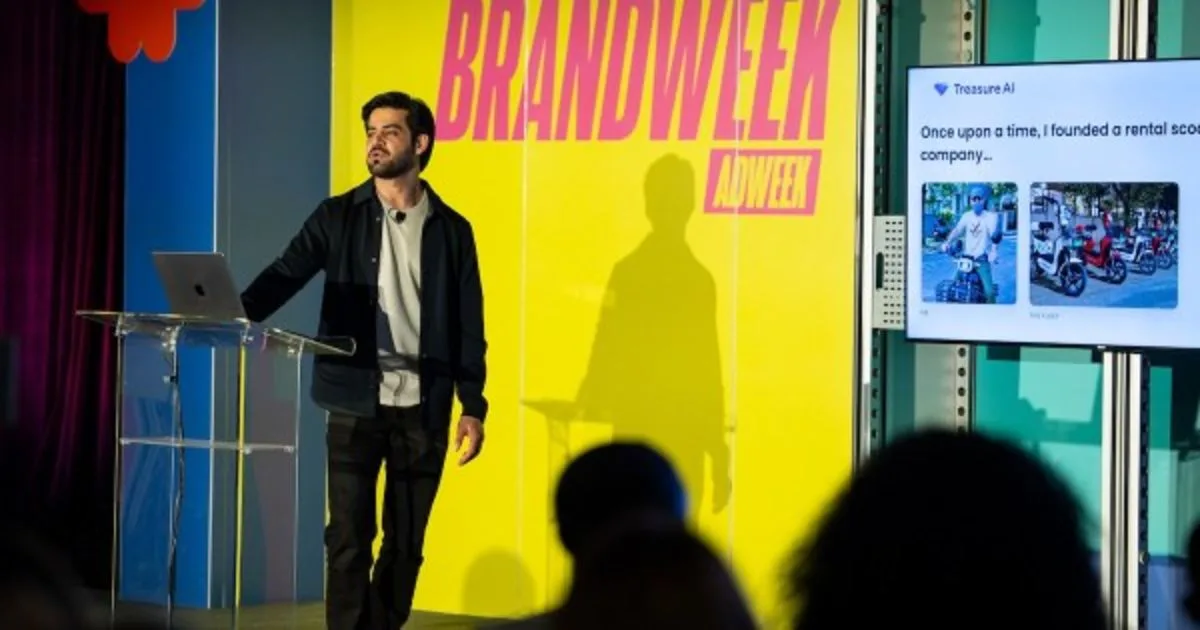
Overreliance on AI speed in marketing workflows can backfire. The evidence emerged at the Brandweek 2026 workshop held with Treasure AI, when Rahul Mulchandani, lead product manager of AI products at the company, laid out how two equally accurate analytics reports ended up producing a wrong business decision.
Mulchandani recounted the scooter rental company he founded. One analyst flagged a customer named Marco as inactive because the records showed no trips for 21 days. Another analyst ranked Marco at the top because he had switched to a subscription model and was actually riding more often. Both reports were accurate, but when combined without full context, the conclusion was misleading. Mulchandani sent a win-back discount that did not reflect Marco's actual usage pattern.
According to Mulchandani, AI will not automatically fix problems like that. More sophisticated models still cannot process information they never received, and longer prompts will not carry context that marketers do not realize is missing. "If we use AI with the same workflow, mistakes will happen faster," he said. "We do learn faster, but if the workflow does not change, we keep repeating the same mistakes."
In the session, participants tried an alternative approach with one dummy retail dataset. They were asked to identify customer segments, examine significant differences within them, and draft email treatments for different groups. There was no structured query language, no data export, and no ticket sent to the analytics team. Participants asked questions directly, reviewed the agent's responses, then refined the work from that point.
The ability to ask questions in natural language shortens the distance between a marketing question and the information needed to answer it. Each step draws from the same underlying context, so one stage of work can inform the next instead of being summarized into a new brief and handed off to someone else. Brand guidelines and guardrails can also sit there, giving AI clearer boundaries as the work evolves.
"AI should carry the work between decisions, but humans still have to own the decision," Mulchandani said.
Mulchandani frames the return on AI by what marketers can do with the time saved. In a fragmented workflow, that capacity can evaporate into extra versions, corrections, reviews, and decision fatigue. If context is preserved, more time can go to choices that demand judgment, experience, and accountability.
For analysts, this means determining which customer differences warrant different treatment. Creative teams can spend longer shaping ideas rather than fixing weak output. Reviewers can weigh trade-offs instead of chasing mistakes that could have been prevented.
In Indonesia, the practical implications touch directly on a fast-growing digital marketing landscape. Many retail, e-commerce, and subscription businesses in the country have adopted AI tools for customer segmentation and campaign personalization. But customer data is often scattered across sales, CRM, and analytics teams working with different systems. When context does not come together, the risk of wrong decisions like Marco's case can repeat in the domestic market, especially during major campaign moments such as Ramadan and Harbolnas.
A skills gap is also a concern. Industry surveys show generative AI adoption among Indonesian marketing professionals is rising, but context-based workflow training is not yet evenly distributed. Without that understanding, the speed AI offers only shifts the workload from analysis to correction, without improving decision quality.
Going forward, the question is no longer how fast AI can process data, but how well organizations keep the thread of customer context from one stage to the next. Companies that can unify context and place humans at strategic decision points may reap different results. Those that chase speed alone without fixing the workflow risk multiplying mistakes at a higher tempo.