Mark Doyle, Legendary BBC Journalist Who Covered Rwanda Genocide, Dies at 67
Baca dalam 60 detik
- Mark Doyle, mantan koresponden BBC untuk Afrika, meninggal dunia pada usia 67 tahun setelah sakit singkat.
- Doyle dikenal karena liputan konflik Rwanda 1994, Sierra Leone, dan Liberia, yang memberinya penghargaan PBB.
- Kepergiannya menyisakan pertanyaan tentang keberlanjutan jurnalisme konflik di era digital yang serba cepat.
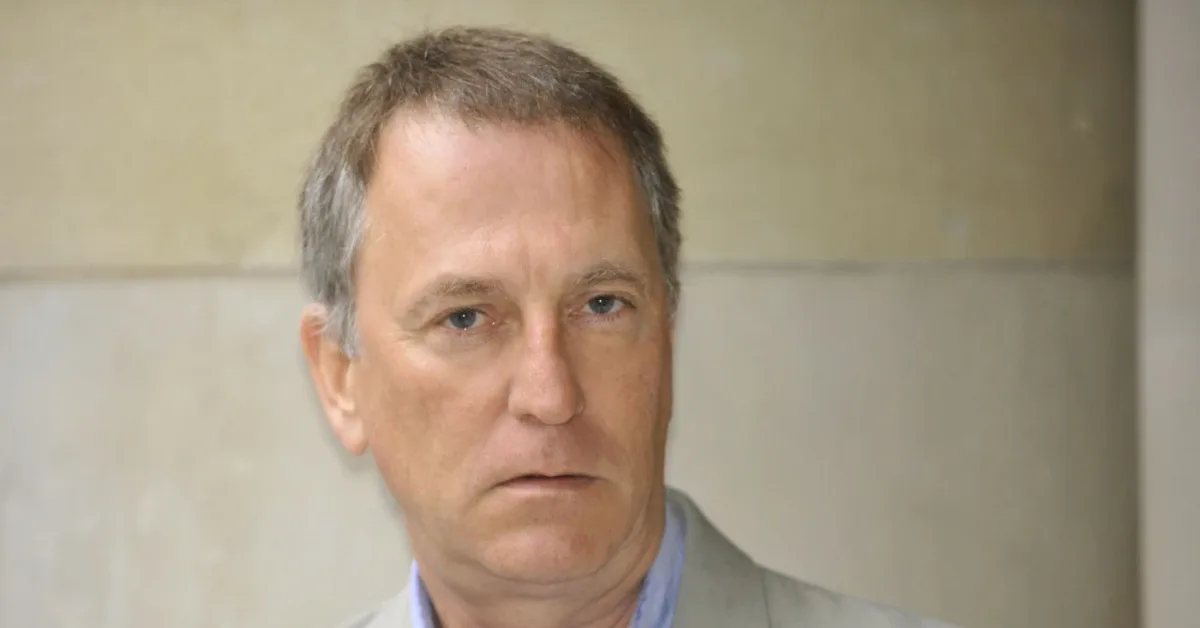
Veteran BBC journalist Mark Doyle died on Tuesday (22/09/2026) after a short illness. The 67-year-old was widely known for his in-depth reporting from conflict zones across Africa during the 1990s and 2000s, especially the 1994 Rwanda genocide.
The news was announced directly by the BBC, triggering an outpouring of tributes from colleagues and the public. Paul Danahar, the BBC's foreign editor, called Doyle a "legendary figure" and a "brilliant, brave and deeply empathetic reporter". Similarly, presenter Jeremy Vine wrote on social media, "A great reporter. Highly respected."
Mark Lowen, BBC News presenter and correspondent, recalled working with Doyle in Rwanda and Congo. "I produced Mark when I was 24, a BBC rookie, on the Congo war and illegal mining. In 1994, the world relied on his reporting of the Rwanda genocide. He was fearless, brilliant and kind," Lowen wrote on X.
Doyle's BBC career began in 1986. Seven years later, he was posted as South Africa correspondent, just before the country ended apartheid. From 1997 to 2002, he was West Africa correspondent and reported on Sierra Leone's brutal civil war. The peak of his career was as the BBC's World Affairs correspondent until his retirement in 2015.
His colleague Fergal Keane, also a BBC correspondent for Africa, praised Doyle's dedication in Rwanda. "He outlasted all of us. Those who were in that terrible place will know what Mark Doyle gave for the truth and for the BBC," he told the BBC.
"Whether I saw the final moments of someone's life, I cannot be sure. What is clear is that I saw people who had just been killed and witnessed mass attacks. While in a French military truck evacuating civilians, I saw someone attacked with a screwdriver. The whole situation was terrifying—especially for Rwandans, but also for me, even though I was beside French soldiers."
— Mark Doyle, in an interview with Frontline.
For Indonesia's media industry, Doyle is a reference point on the importance of balanced and courageous conflict reporting. Amid the flood of digital information, the principles of verification and empathy he upheld are relevant for national media to adopt. His work also reminds us that reporting from conflict zones is often the main source of global understanding of humanitarian crises.
Although he had no direct connection to Indonesia, Doyle's legacy highlights the role of war correspondents in shaping international public opinion. Indonesian media that are beginning to cut back on foreign coverage due to economic pressure can learn from Doyle's commitment to global issues. The question is whether the next generation of journalists can maintain the standard of courage and depth of reporting shown by Mark Doyle.