Beyoncé’s Flying Car Incident: A Mother’s Warning and the Risks of a Grand Stage
Baca dalam 60 detik
- Tina Knowles meminta Beyoncé mengurangi aksi terbang dan atraksi berisiko setelah insiden mobil convertible nyaris membuat penyanyi itu terjatuh di Houston.
- Insiden Juni 2025 di NRG Stadium menjadi sorotan setelah video viral, sementara rangkaian gangguan teknis lain juga terjadi selama tur Cowboy Carter.
- Keselamatan artis dan penonton di konser berskala besar kembali dipertanyakan, termasuk implikasi bagi industri pertunjukan di Indonesia.
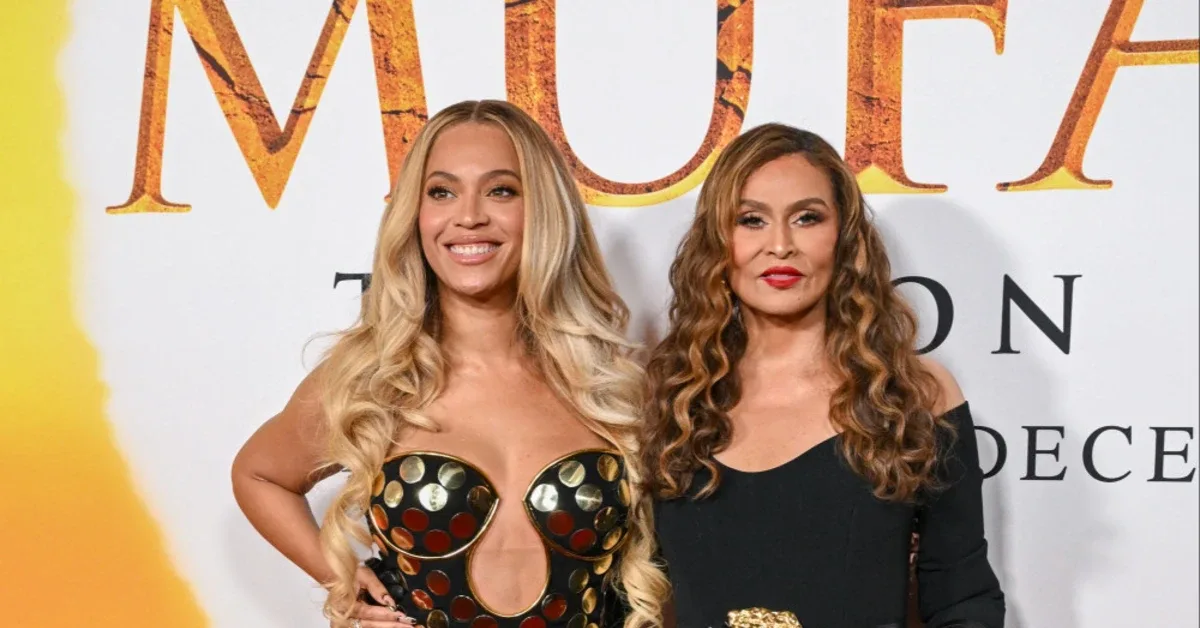
Beyoncé nearly fell from a convertible suspended above the stage at NRG Stadium in Houston, Texas, in June 2025. The incident sparked concern from her mother, Tina Knowles, who asked her daughter to scale back the flying stunts and risky attractions on the Cowboy Carter tour.
According to Tina in The Sun's Bizarre column, she had to push through the crowd as she watched the red car tilt sharply in the air. Beyoncé, who appeared to be wearing a harness and holding on to cables, continued performing “16 Carriages” before eventually stopping the show. “She was holding on so she wouldn't fall. It was very dangerous,” Tina said, adding that she asked Beyoncé to stop the flying and spinning stunts. But the request was rebuffed by her daughter, who insisted she had to finish the performance.
Footage of the incident spread quickly on TikTok. In the video, Beyoncé can be heard saying “Stop, stop, stop” into her microphone, and the music was cut. The car was then lowered and she returned to her original position. After briefly leaving the stage, Beyoncé came back and finished the song, then greeted the audience with the words, “If I fall, I know you'll catch me.”
The technical disruptions did not end in Houston. Several weeks earlier at SoFi Stadium in California, Beyoncé appeared confused as she tried to find her position before the “Cozy” segment. A robotic arm carrying a gold frame was not where it was supposed to be, forcing her to finish the performance while dodging moving props. Then there was the moment when her daughter, Blue Ivy, who was performing as a dancer, had to step in to remove an earring that had nearly become caught in Beyoncé's hair during “Crazy in Love.”
This series of events highlights the physical and mental pressures faced by pop stars on large-scale tours. Increasingly complex stages with moving props, rigging, and high-risk choreography do produce spectacular entertainment, but they also increase the likelihood of equipment failure. In the global entertainment industry, safety standards for artists and crew have become a serious concern, especially after several similar incidents involving other singers.
For Indonesia, this phenomenon serves as a mirror. Large concerts in the country, such as those held at Gelora Bung Karno or Indonesia Arena, are beginning to adopt advanced stage technology. However, safety regulations and certification for stage prop operators remain unfinished business. Domestic promoters need to learn from Beyoncé's incident: high-risk attractions require tested emergency protocols, not merely reliance on the artist's professionalism.
“She was holding on so she wouldn't fall. It was very dangerous. I said, ‘Can you stop flying and spinning around?’” — Tina Knowles
Going forward, the question is not only whether Beyoncé will scale back dangerous stunts, but whether the global music industry will establish stricter safety standards for grand tours. Audiences may enjoy the spectacle, but the lives of artists and crew must not be put at stake.