Microsoft Patents Dynamic Ads for Xbox, Potentially Interrupting Players Even After Paying IDR 1 Million
Baca dalam 60 detik
- Microsoft mendaftarkan paten sistem 'ad credit' yang memungkinkan iklan muncul otomatis setelah durasi bermain tertentu, termasuk saat loading atau jeda.
- Langkah ini memicu kekhawatiran gamer karena berpotensi diterapkan pada game berbayar, bukan hanya free-to-play, di tengah pemutusan hubungan kerja besar-besaran di divisi Xbox.
- Jika diadopsi, model ini bisa mengubah lanskap moneterisasi industri game global dan memengaruhi harga serta pengalaman pemain di Indonesia.
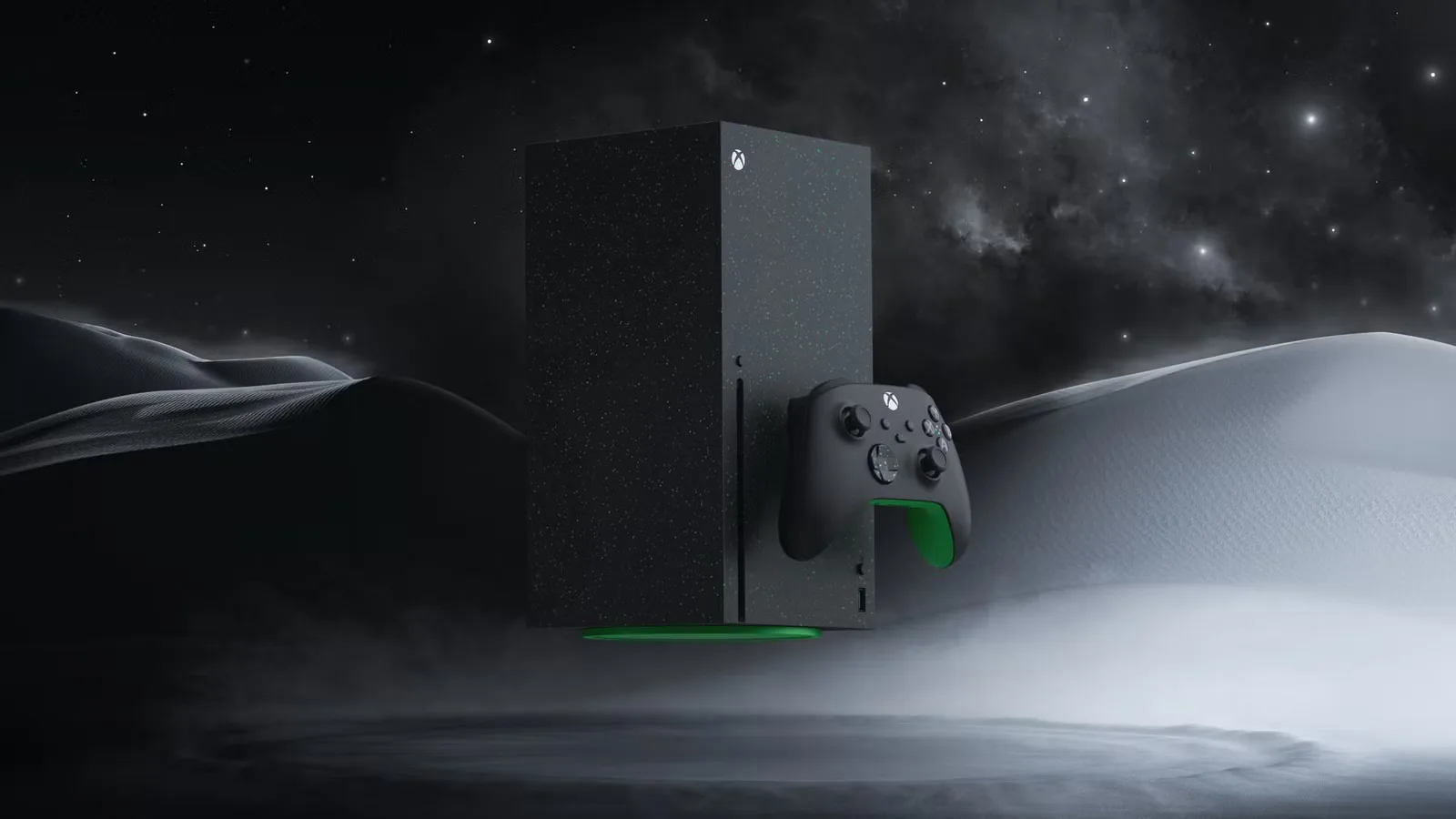
Microsoft has just filed a patent that could potentially change how players experience games on Xbox consoles. The document, titled “Contextually Aware Management of Interactive Software Application Access,” outlines an “ad credit” system that allows for automatic ad display once players exceed an ad-free playtime limit. Ads would not appear randomly but would be triggered by natural moments such as loading screens or when a game is paused.
The patented mechanism works by granting players an initial allowance. Once playtime exceeds this credit and the game sends a “promotional content trigger event” signal, player controls will be temporarily frozen to display an ad. After the ad concludes, control returns to the player, and the credit is reset. Although Microsoft has not specified which types of games will implement this technology, the existence of the patent alone has sparked widespread speculation among users.
The main concern lies in the potential implementation of ads in paid games. If players have already shelled out up to US$70 (around IDR 1.1 million) for a title, the presence of forced ads would certainly be considered disruptive. This patent might only target free-to-play games or those sold at a discount, but without an official statement, the public perceives Microsoft as testing consumer tolerance limits. Previously, in 2024, the company announced an US$80 price for games like The Outer Worlds 2, but a wave of protests led to the cancellation of that plan.
This move comes amidst significant internal pressure. In July 2024, Xbox announced the layoff of 1,600 staff, followed by plans for another 1,600 reductions in the next fiscal year. The company also divested four studios: Double Fine, Ninja Theory, Undead Labs, and Compulsion Games. Xbox Head, Asha Sharma, in a letter titled “Next 100 Days: Xbox Reset,” mentioned a decline in the division's annual revenue and a hardware component crisis. In this context, the ad patent can be interpreted as an attempt to find new revenue streams.
“This patent indicates that Microsoft is exploring advanced monetization, but its implementation heavily depends on market response,” said a game industry analyst who wished to remain anonymous.
For Indonesia, the impact could be significant. The national game market is dominated by free-to-play and mobile game players, while consoles like Xbox have a limited user base. If this dynamic ad model is adopted globally, local developers releasing games on Microsoft platforms might need to adjust their monetization strategies. On the other hand, Indonesian gamers accustomed to the free-to-play model might be more tolerant of ads but will still demand transparency regarding the duration and types of games affected.
Moving forward, the question is not just whether Microsoft will realize this patent, but how ready the industry is to accept ads as an inseparable part of the gaming experience. If implemented, will players accept this compromise for cheaper game prices, or will they switch to competing platforms that are still ad-free? Time and market reaction will determine Microsoft's next policy direction.