Lufia I & II Arrive on PS5: Classic 90s JRPGs Finally Break Free from Nintendo Exclusivity
Baca dalam 60 detik
- Taito dan Clear River Games mengumumkan kompilasi Lufia I & II: The Sinistrals Saga untuk PS5, Switch, Switch 2, dan PC, menandai debut waralaba JRPG legendaris ini di platform non-Nintendo.
- Keputusan ini mencerminkan pergeseran strategi penerbit Jepang yang kian agresif merambah ekosistem PlayStation dan PC demi menjangkau basis pemain global yang lebih luas.
- Bagi gamer Indonesia, kabar ini membuka peluang menikmati dua RPG klasik secara legal tanpa emulator, meski harga dan detail peningkatan teknis masih misterius.
Two iconic JRPG titles, long synonymous with the Super Nintendo console, are finally making their way to PlayStation 5. Taito, in collaboration with Clear River Games, has officially announced the compilation Lufia I & II: The Sinistrals Saga, set to launch in 2027 for PS5, Nintendo Switch, Switch 2, and PC via Steam. This marks the first official appearance of the Lufia franchise on a PlayStation platform, signaling the end of an unwritten exclusivity that has persisted since the 16-bit era.
The package includes two games: Lufia & the Fortress of Doom (1993) and Lufia II: Rise of the Sinistrals (1996). Both were developed by Taito and originally released for the SNES. Clear River Games will serve as the publisher for Western markets, while Taito retains IP control. According to the publisher, this collection offers "two of the most beloved JRPGs from the 1990s, featuring touching storylines and legendary soundtracks that have captured the hearts of players worldwide."
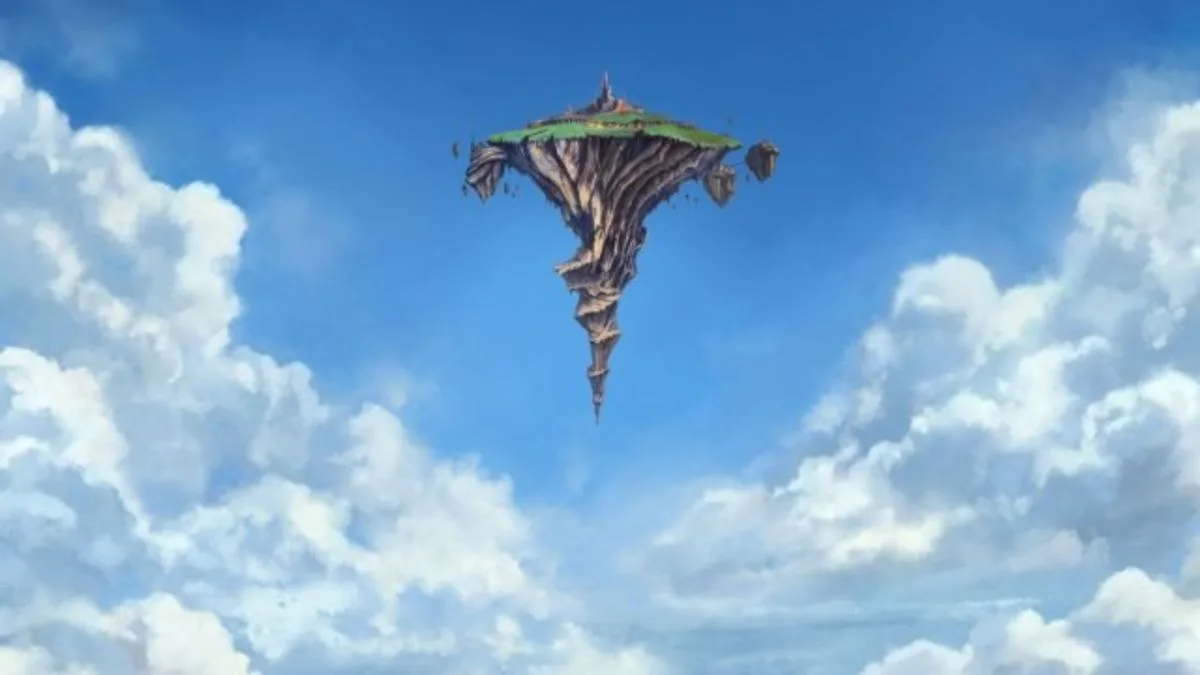
Content-wise, Lufia & the Fortress of Doom tells the story of Maxim's descendant, the legendary hero, and his childhood friend, Lufia, on a mission to stop the revival of the Sinistrals. The plot takes a twist when Lufia is revealed to be Erim, the Sinistral of Death, but she rejects her destiny and chooses to side with humanity. Meanwhile, Lufia II serves as a prequel, following the journey of Maxim, his wife Selan, and their allies to the floating Doom Island. They succeed, but must sacrifice their lives to prevent the island from destroying the world. Uniquely, the second game is set chronologically before the first.
Interestingly, although the store listing mentions these games are "enhanced for modern play," the publisher has not yet detailed the nature of these enhancements. Whether it's merely resolution upscaling, the addition of save state features, or a complete overhaul of combat mechanics, everything remains unclear. Pricing and exact release dates have also not been announced. This ambiguity could be a double-edged sword: on one hand, it sparks positive speculation; on the other, it risks disappointment if expectations are not met.
For the Indonesian market, this move warrants close attention. Historically, local JRPG fans have often relied on emulators or pirated versions to access classic games never officially released in Southeast Asia. The arrival of Lufia I & II on Steam and modern consoles paves the way for legal distribution, although challenges like regional pricing and language localization remain. If Clear River Games can set an affordable price, it's not impossible that this phenomenon could encourage other publishers to revisit their old catalogs.
More broadly, Taito's decision to release Lufia from Nintendo's exclusivity reflects an increasingly fluid industry trend. In recent years, Japanese publishers like Square Enix and Sega have actively ported their JRPG legacies to various platforms, from PlayStation to Xbox and PC. A multiplatform strategy is key to reaching a new generation of players not tied to a single console ecosystem. Lufia, which had been dormant for over two decades, now gets a second chance in a much larger market.
"This collection brings two of the most cherished JRPGs from the 1990s, with touching stories and legendary soundtracks," said a publisher representative.
Nevertheless, the success of this compilation will not solely be determined by nostalgia. Amidst a flood of remasters and ports often criticized for minimal effort, modern players demand quality. If Taito and Clear River Games merely present raw ROMs without significant improvements, market reception could be lukewarm. Conversely, if they seriously develop quality-of-life features and a user-friendly interface, Lufia has the potential to become an example of how old game legacies should be preserved.
The big questions now are: will Lufia pave the way for the return of other classic JRPG franchises long confined to a single platform? And for Indonesian gamers, will the eventual price be competitive enough against the allure of free emulators? We await further official announcements.