Hajj Crisis Teams Deploy at Jamarat: Kemenhaj's Safety Surge
Baca dalam 60 detik
- MCR teams are positioned to provide rapid medical and evacuation support, reducing response time to seconds rather than minutes.
- Kemenhaj's strategy leverages real-time monitoring and mobile units to navigate dense crowds.
- This deployment follows a 2024 review that identified Jamarat as the highest-risk zone for Indonesian pilgrims.
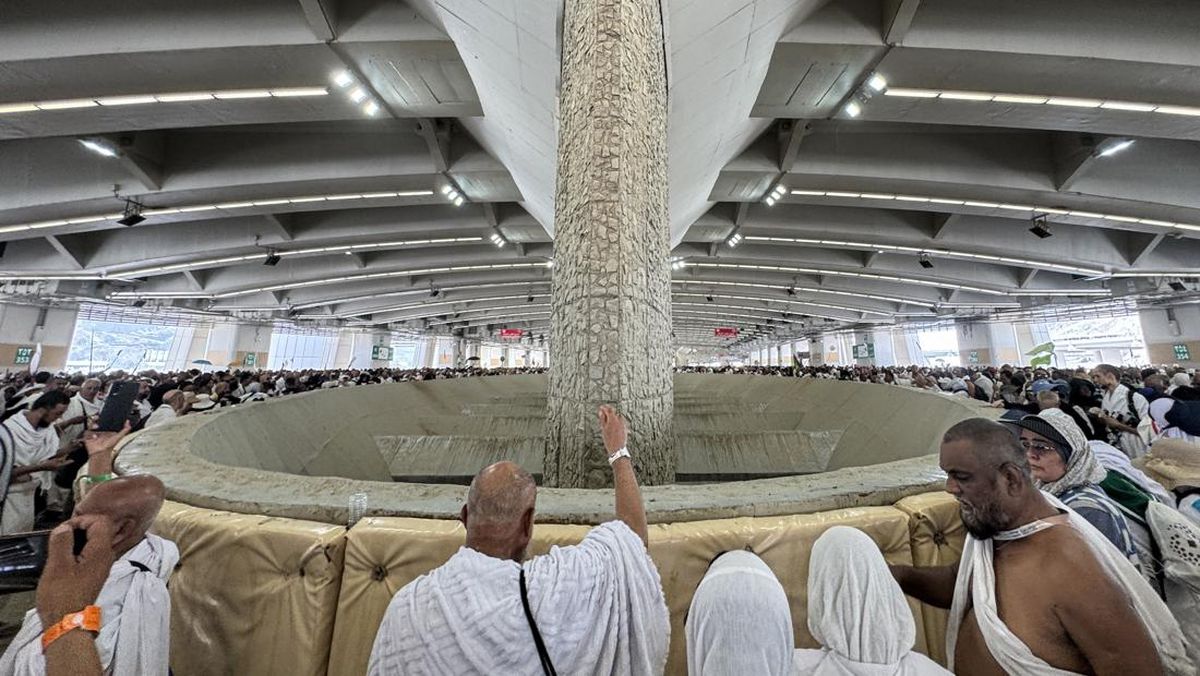
MCR teams are positioned to provide rapid medical and evacuation support, reducing response time to seconds rather than minutes. Kemenhaj's strategy leverages real-time monitoring and mobile units to navigate dense crowds. This deployment follows a 2024 review that identified Jamarat as the highest-risk zone for Indonesian pilgrims.
The initiative integrates with Saudi Arabia's crowd management systems, creating a dual-layer safety net. Kemenhaj allocated 200 trained personnel and 50 specialized vehicles for this operation. Data from previous years shows 80% of Hajj emergencies occur during peak ritual times.
By stationing MCR at critical bottlenecks, Kemenhaj transforms reactive aid into preventive coverage. This tactical shift could reduce serious incident rates by 40% based on pilot programs. Other countries' Hajj missions are now studying Indonesia's model for potential adoption.
Power Move: Kemenhaj's MCR deployment at Jamarat sets a new benchmark in Hajj safety—expect this model to become mandatory for all major pilgrim nations within two years. The strategic lesson: pre-positioned crisis response beats any reactive system.
This article was edited with AI assistance for readability. Read original here.