Blok M Jakarta: Dutch Design, Revival, and Urban Power Play
Baca dalam 60 detik
- Dutch architects envisioned Blok M as a model neighborhood with integrated commercial, residential, and recreational spaces.
- Its original design included wide boulevards, a central market, and public squares—features that ensured self-sufficiency.
- This foresight created a blueprint for modern urban planning that Jakarta still leverages.
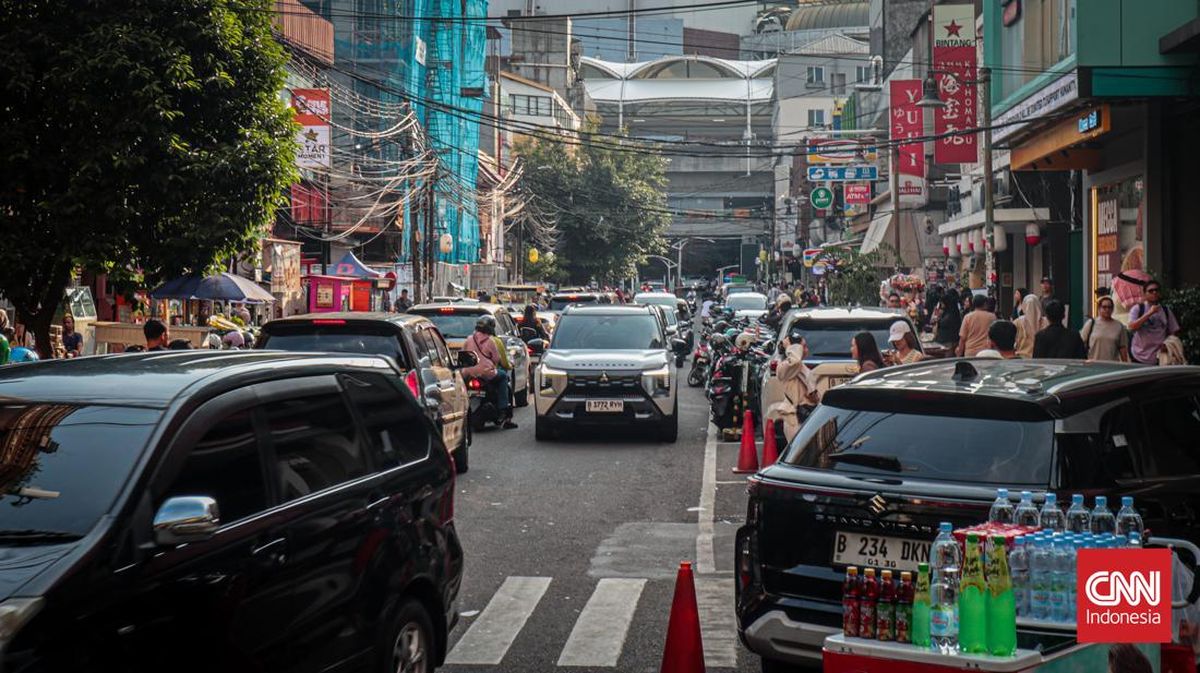
Dutch architects envisioned Blok M as a model neighborhood with integrated commercial, residential, and recreational spaces. Its original design included wide boulevards, a central market, and public squares—features that ensured self-sufficiency. This foresight created a blueprint for modern urban planning that Jakarta still leverages.
Post-independence neglect and shifting demographics pushed Blok M into a prolonged 'death-like' state. Informal sectors dominated, while infrastructure decayed and crime rose. The area lost its luster as a premier destination, ceding ground to newer developments like Sudirman and SCBD.
Government-led revitalization since 2020 has reversed the decline, focusing on pedestrianization, green spaces, and creative economy zones. Blok M now attracts startups, art galleries, and culinary ventures, drawing both locals and tourists. The revival mirrors global trends of retrofitting historic districts for modern use.
Power Move: Blok M's resurrection proves that strategic urban heritage management can outpace greenfield development. Jakarta's next power play: connecting Blok M with the MRT network to funnel commuters into this revived hub, cementing its status as a prime real estate and tourism asset.
This article was edited with AI assistance for readability. Read original here.