Thousands Mass at India-Bangladesh Border: Migration Crisis Looms
Baca dalam 60 detik
- The concentration of migrants at key crossing points creates a logistical nightmare for border forces already stretched thin.
- Officials report groups numbering in the thousands, with many lacking proper documentation and claiming economic hardship.
- This mass movement mirrors patterns seen during previous migration waves, but the scale is unprecedented.
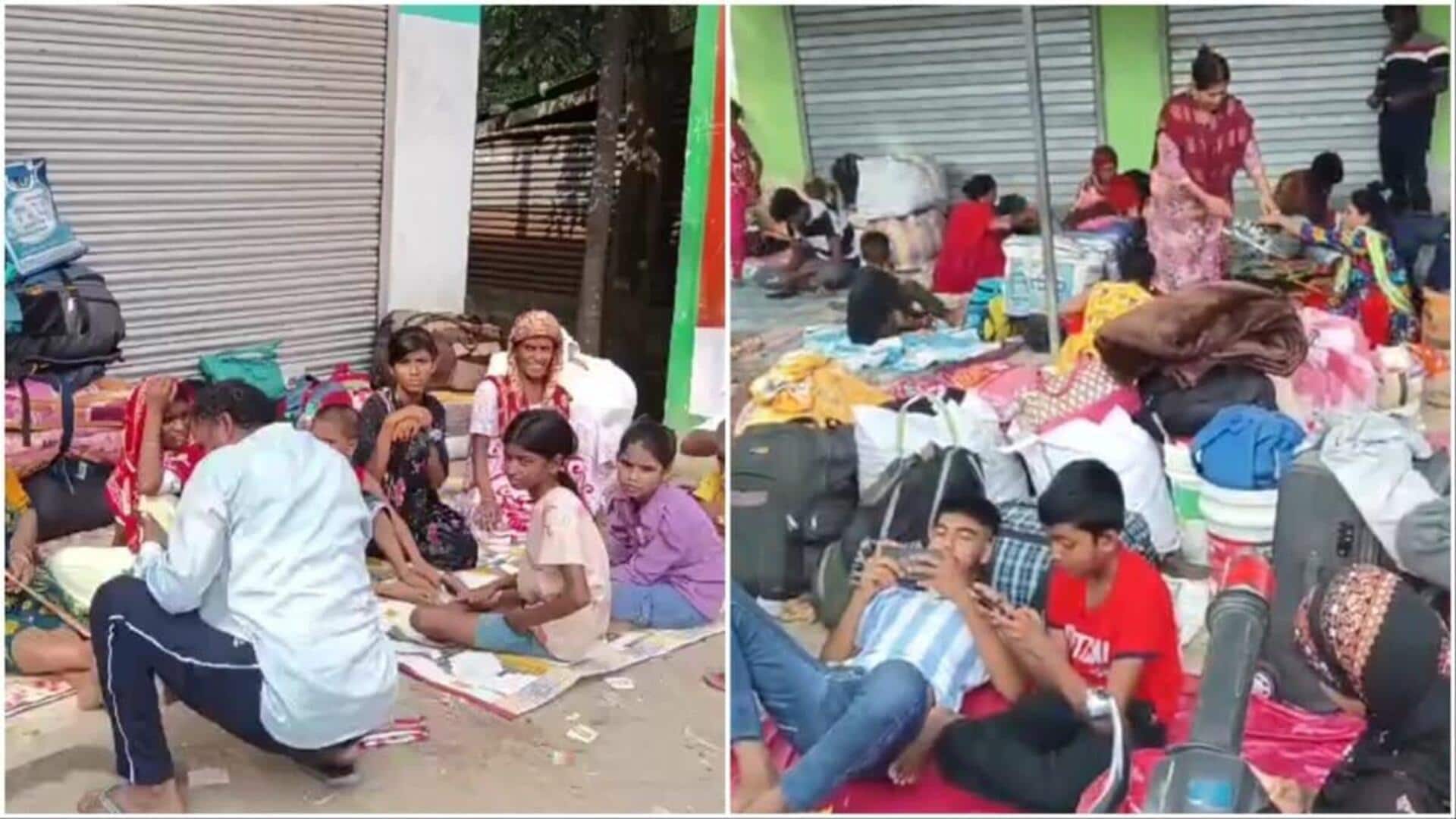
The concentration of migrants at key crossing points creates a logistical nightmare for border forces already stretched thin. Officials report groups numbering in the thousands, with many lacking proper documentation and claiming economic hardship. This mass movement mirrors patterns seen during previous migration waves, but the scale is unprecedented.
Political analysts warn the gathering could be exploited by both domestic and regional actors to stoke nationalist sentiments. Opposition parties are already calling for tougher border controls, while human rights groups urge a measured humanitarian response. The Indian government faces a delicate balancing act between enforcing sovereignty and avoiding international condemnation.
Bangladesh's government denies any state-sponsored exodus but acknowledges push factors like job scarcity and climate impacts. The situation tests the bilateral framework that has managed border issues since the 2015 Land Boundary Agreement. Without coordinated action, the bottleneck could become a permanent crisis point.
Power Move: This border buildup is a strategic pressure test for India's immigration policy and regional diplomacy. Expect New Delhi to deploy additional surveillance tech and rapid response units while quietly engaging Dhaka for repatriation agreements. The real power move will be how India frames this—either as a security crackdown or a humanitarian operation.
This article was edited with AI assistance for readability. Read original here.