Sleeping with Earbuds: Safety Risks vs. Convenience
Baca dalam 60 detik
- Earbuds designed for active use lack the ergonomic safety needed for 8-hour wear, often causing ear canal abrasion and cerumen impaction.
- Studies show a 3x higher risk of otitis externa in regular sleep users.
- The pressure can also trigger temporomandibular joint pain and tinnitus.
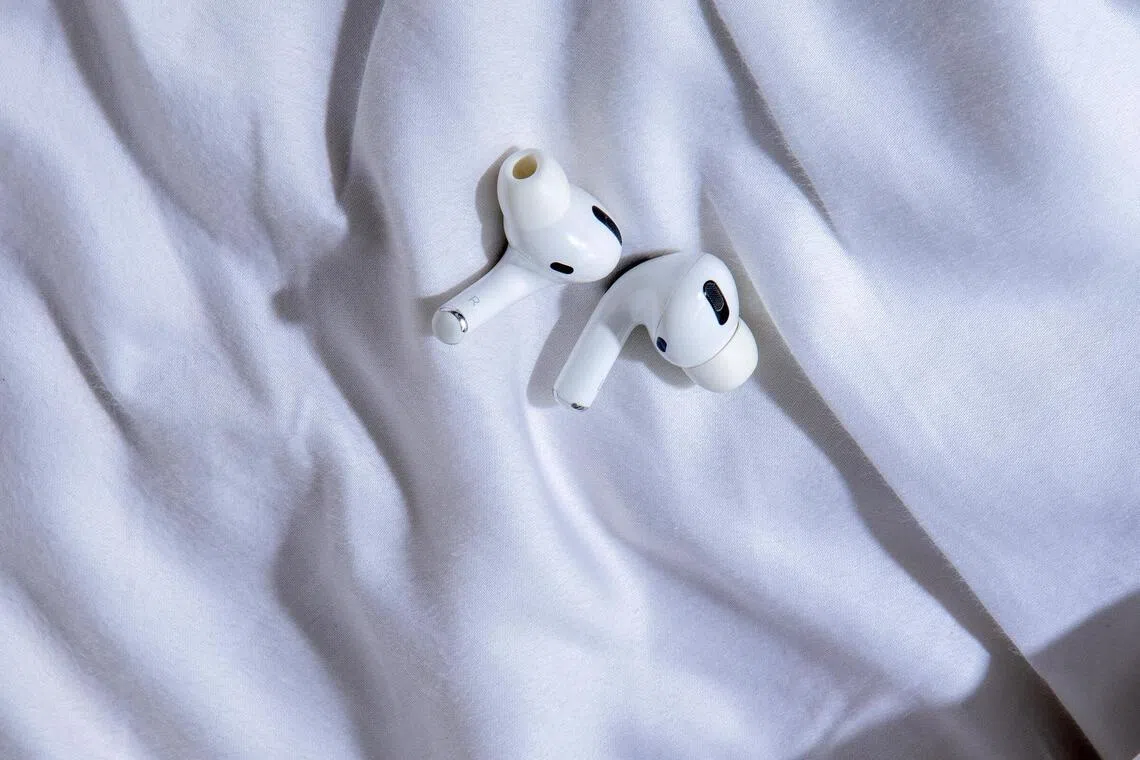
Earbuds designed for active use lack the ergonomic safety needed for 8-hour wear, often causing ear canal abrasion and cerumen impaction. Studies show a 3x higher risk of otitis externa in regular sleep users. The pressure can also trigger temporomandibular joint pain and tinnitus.
Audio exposure during sleep bypasses natural volume regulation, with peak volumes exceeding 85 dB linked to permanent threshold shift. Even at low volumes, constant stimulation disrupts deep sleep cycles, reducing restorative slow-wave activity. Users report increased morning fatigue and cognitive fog.
Wireless earbuds emit radiofrequency energy that, while within safety limits, raises concerns about cumulative exposure during sleep. The American Academy of Otolaryngology recommends against routine use. Safer alternatives include pillow speakers, white noise machines, or bone conduction headphones.
Power Move: The earbud industry faces a growing liability as sleep-related injuries emerge. Expect product redesigns with pressure sensors and auto-shutoff features. Savvy consumers will pivot to dedicated sleep audio devices before regulations tighten.
This article was edited with AI assistance for readability. Read original here.

:strip_icc():format(jpeg)/kly-media-production/medias/3349413/original/030667000_1610633903-pexels-guilman-5960469.jpg)