Dementia Signs Detected in Blood Years Before Diagnosis
Baca dalam 60 detik
- Scientists identified specific proteins and genetic markers in blood samples that correlate with future dementia diagnoses.
- These biomarkers outperform traditional risk factors like age and family history in predicting disease onset.
- The blood test offers a scalable, low-cost screening tool for widespread use.
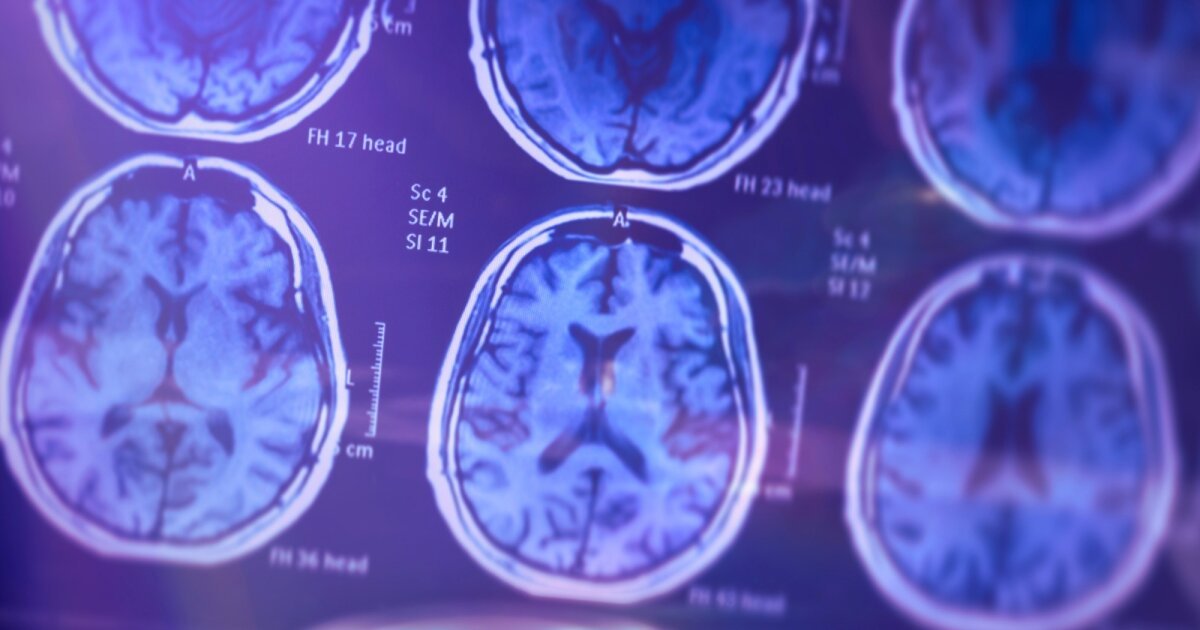
Scientists identified specific proteins and genetic markers in blood samples that correlate with future dementia diagnoses. These biomarkers outperform traditional risk factors like age and family history in predicting disease onset. The blood test offers a scalable, low-cost screening tool for widespread use.
Early detection opens the door for lifestyle modifications and targeted therapies to slow neurodegeneration. Clinical trials can now enroll high-risk participants years earlier, accelerating drug development. Healthcare systems face pressure to integrate screening into routine check-ups.
The economic impact is staggering: delaying dementia onset by five years could cut global costs by 40%. Pharmaceutical companies race to develop companion diagnostics for emerging treatments. Public health campaigns must educate on modifiable risk factors like diet and exercise.
Power Move: The blood-based biomarker revolution turns dementia from an inevitable fate into a manageable condition. Expect rapid adoption in clinical practice within three years, forcing insurers and health systems to adapt. The real power move: investing in early detection infrastructure now to save billions in future care costs.
This article was edited with AI assistance for readability. Read original here.