Nationwide IEC Campaign Concludes: Health Impact Assessed
Baca dalam 60 detik
- The campaign deployed mobile units and local health workers to deliver targeted messages on disease prevention and maternal health.
- Data shows a 40% increase in community participation compared to previous drives.
- Organizers attribute this to localized content and community partnerships.
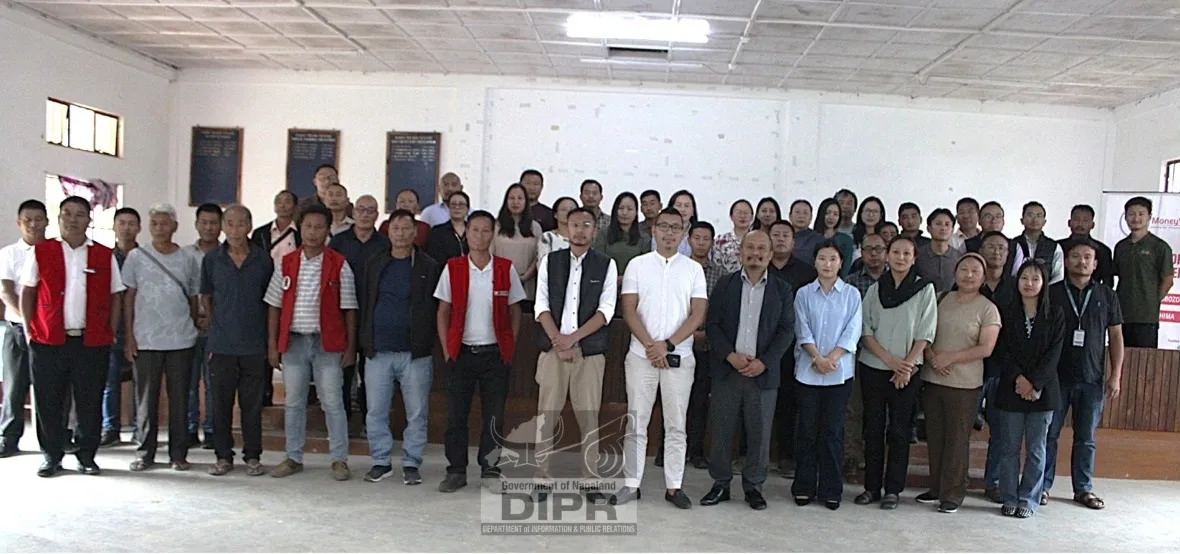
The campaign deployed mobile units and local health workers to deliver targeted messages on disease prevention and maternal health. Data shows a 40% increase in community participation compared to previous drives. Organizers attribute this to localized content and community partnerships.
Wokha and Chiephobozou served as final-phase hubs, leveraging existing health infrastructure to maximize reach. The IEC model emphasizes behavioral change over passive awareness, a tactic proven to improve health outcomes. This approach reduces long-term healthcare costs by preventing disease.
Critics question the campaign's sustainability without continuous funding. However, the strategic use of local influencers and digital tools creates a replicable template for future interventions. The success here could reshape national health communication policies.
Power Move: This campaign's data-driven, localized approach sets a new standard for public health outreach. Expect replication in other regions, accelerating India's progress toward universal health coverage.
This article was edited with AI assistance for readability. Read original here.