Europe's Silent Liver Crisis: Undetected and Preventable
Baca dalam 60 detik
- The European Association for the Study of the Liver reports that liver disease now kills 300,000 Europeans annually, making it the second leading cause of premature death.
- Alarmingly, 90% of early-stage cases show no symptoms, allowing the disease to progress silently.
- This hidden epidemic costs healthcare systems billions in late-stage treatments.
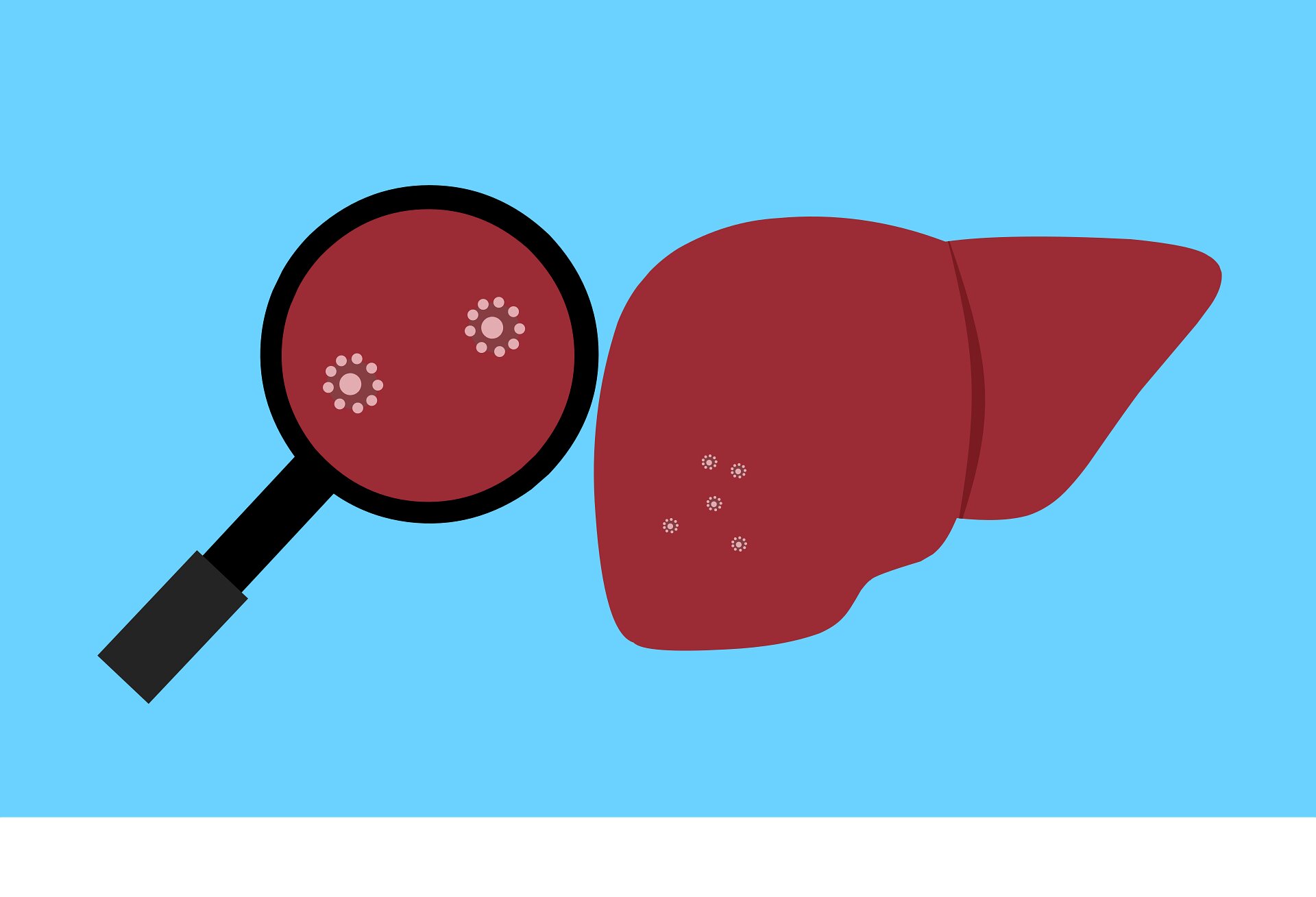
The European Association for the Study of the Liver reports that liver disease now kills 300,000 Europeans annually, making it the second leading cause of premature death. Alarmingly, 90% of early-stage cases show no symptoms, allowing the disease to progress silently. This hidden epidemic costs healthcare systems billions in late-stage treatments.
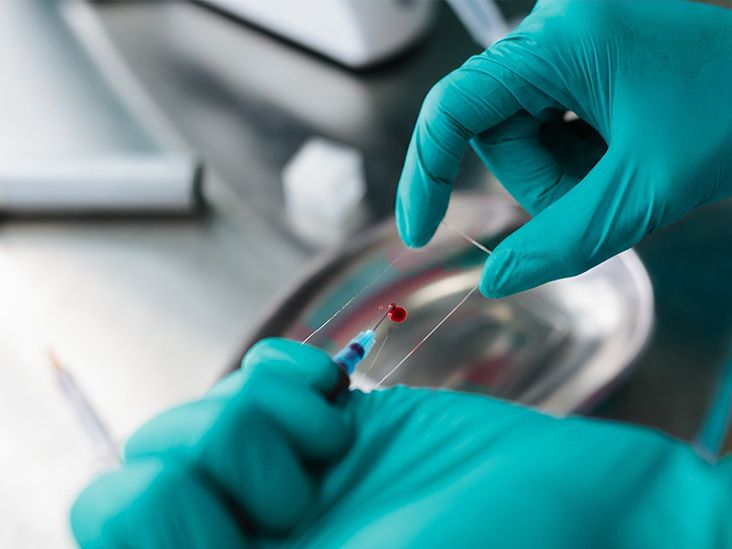
Key risk factors include sedentary lifestyles, ultra-processed diets, and excessive alcohol consumption, all of which are rising across the continent. Public health campaigns have focused on heart disease and cancer, leaving liver health neglected. Simple blood tests and ultrasound scans could catch the disease early, yet screening rates remain abysmally low.
Countries like France and Germany have started pilot screening programs, but implementation is patchy. The pharmaceutical pipeline offers promising therapies, but without early detection, they cannot reverse advanced disease. Policy inertia now stands as the biggest barrier to saving lives.
Power Move: Europe must pivot from treating late-stage liver disease to preventing it through widespread screening. The next decade will see a surge in liver-related deaths unless governments invest in early detection infrastructure. The cost of inaction far outweighs the investment in prevention.
This article was edited with AI assistance for readability. Read original here.

:strip_icc():format(jpeg)/kly-media-production/medias/7183572/original/042519500_1779979517-rumah_kontrakan_bekasi.jpg)