ZSI Launches India's First Cockroach DNA Barcode Library
Baca dalam 60 detik
- The library catalogs over 100 cockroach species, using mitochondrial COI gene sequences to create unique genetic fingerprints.
- This data allows researchers to distinguish morphologically similar species with 99% accuracy, eliminating traditional identification errors.
- The initiative covers urban pests, forest dwellers, and endemic species across 28 states.
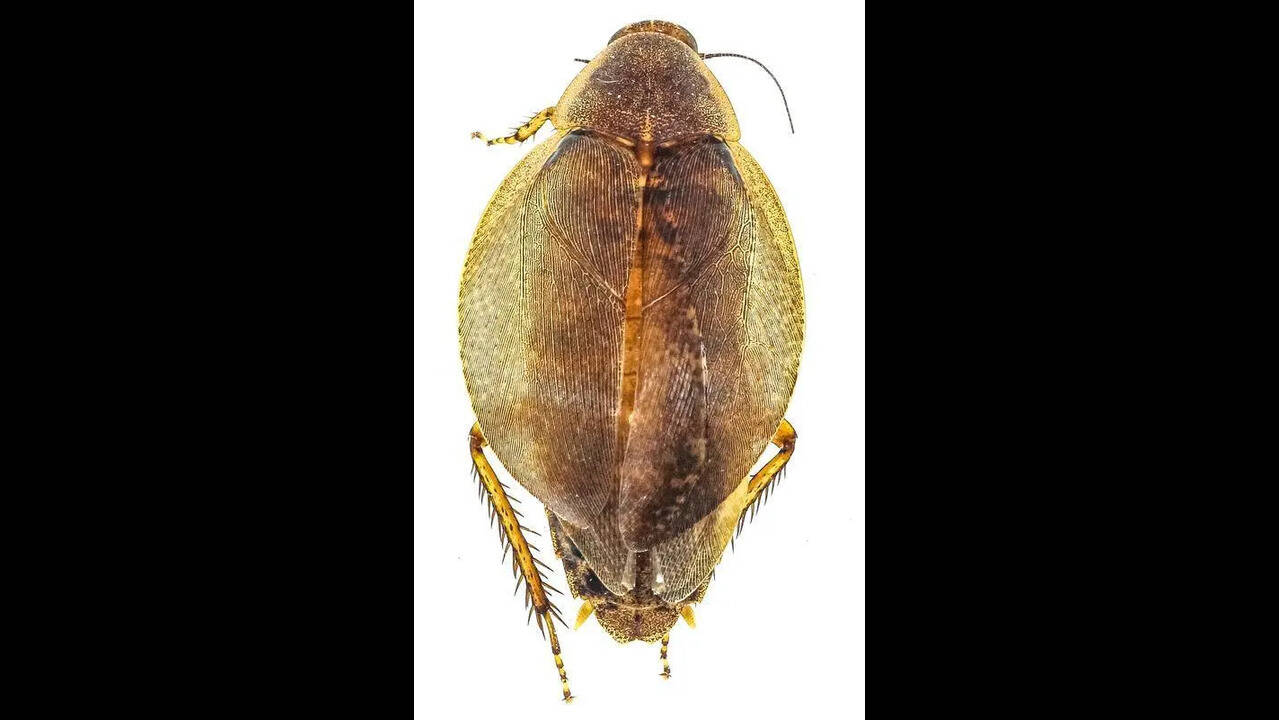
The library catalogs over 100 cockroach species, using mitochondrial COI gene sequences to create unique genetic fingerprints. This data allows researchers to distinguish morphologically similar species with 99% accuracy, eliminating traditional identification errors. The initiative covers urban pests, forest dwellers, and endemic species across 28 states.
Strategic implications extend beyond taxonomy: precise species ID improves vector surveillance for disease prevention. Cockroaches carry pathogens causing asthma, salmonella, and hospital-acquired infections. The library supports targeted pest management, reducing pesticide overuse and environmental damage.
ZSI's move aligns with India's National Biodiversity Targets and global DNA barcoding efforts. The library will integrate with the International Barcode of Life (iBOL) database, amplifying India's research influence. Future expansions plan to include ants, termites, and mosquitoes.
Power Move: By building this genetic arsenal, ZSI turns cockroaches from mere pests into data points for public health strategy. Expect this library to become the template for India's insect genomics revolution—crawling now, flying soon.
This article was edited with AI assistance for readability. Read original here.