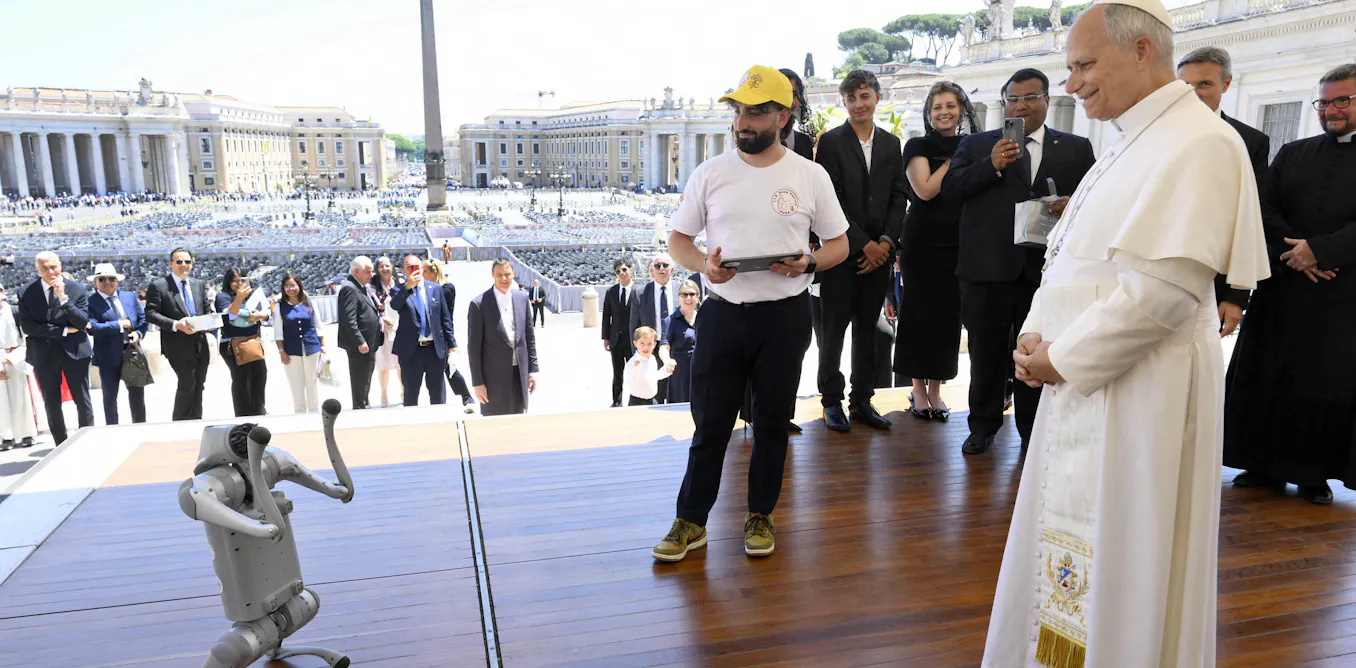
Pope Demands AI 'Disarmament' in Global Power Shift
Baca dalam 60 detik
- The Pope's manifesto targets autonomous weapons and algorithmic surveillance, framing them as existential threats to peace.
- He demands binding international treaties to restrict AI's military applications, mirroring nuclear non-proliferation agreements.
- The Vatican's moral authority could pressure governments to prioritize ethics over technological brinkmanship.
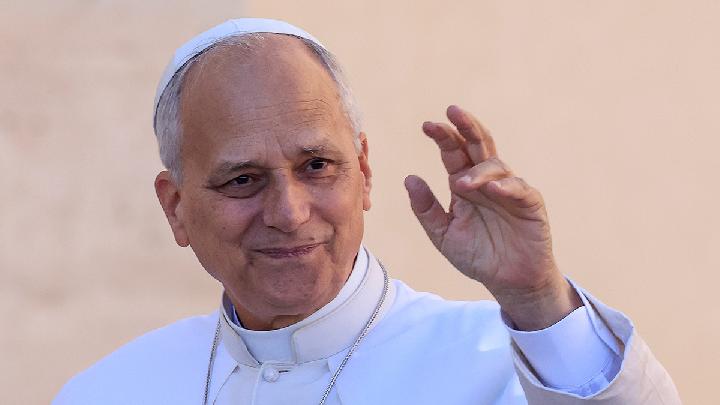
The Pope's manifesto targets autonomous weapons and algorithmic surveillance, framing them as existential threats to peace. He demands binding international treaties to restrict AI's military applications, mirroring nuclear non-proliferation agreements. The Vatican's moral authority could pressure governments to prioritize ethics over technological brinkmanship.
This declaration comes as the EU finalizes its AI Act and the UN debates lethal autonomous weapons. By entering the fray, the Pope amplifies calls for a global governance framework that curbs corporate power. His audience of 1.
Critics argue the Church lacks technical expertise to guide AI policy, but the manifesto strategically avoids specifics. Instead, it reframes the debate around human rights and social justice, challenging the tech industry's narrative of inevitable progress. The Vatican's move forces political leaders to confront AI's moral dimensions head-on.
Power Move: The Pope's intervention transforms AI from a technical issue into a moral imperative. Expect increased pressure on governments to prioritize human rights over innovation speed. The Church's global network could become a decisive force in shaping AI governance.
This article was edited with AI assistance for readability. Read original here.