Top Scientist Warns: Delay of IPCC Climate Report Could Cripple Global Negotiations
Baca dalam 60 detik
- Johan Rockström menilai upaya sejumlah negara menunda publikasi laporan iklim AR7 mengancam fondasi ilmiah Kesepakatan Paris.
- Perdebatan soal representasi negara berkembang dan tuduhan bias rasial mewarnai proses penyusunan laporan yang sedianya rampung 2028.
- Keputusan anggaran IPCC dalam waktu dekat akan menentukan apakah penilaian iklim terbaru bisa tersedia sebelum stocktake global 2028.
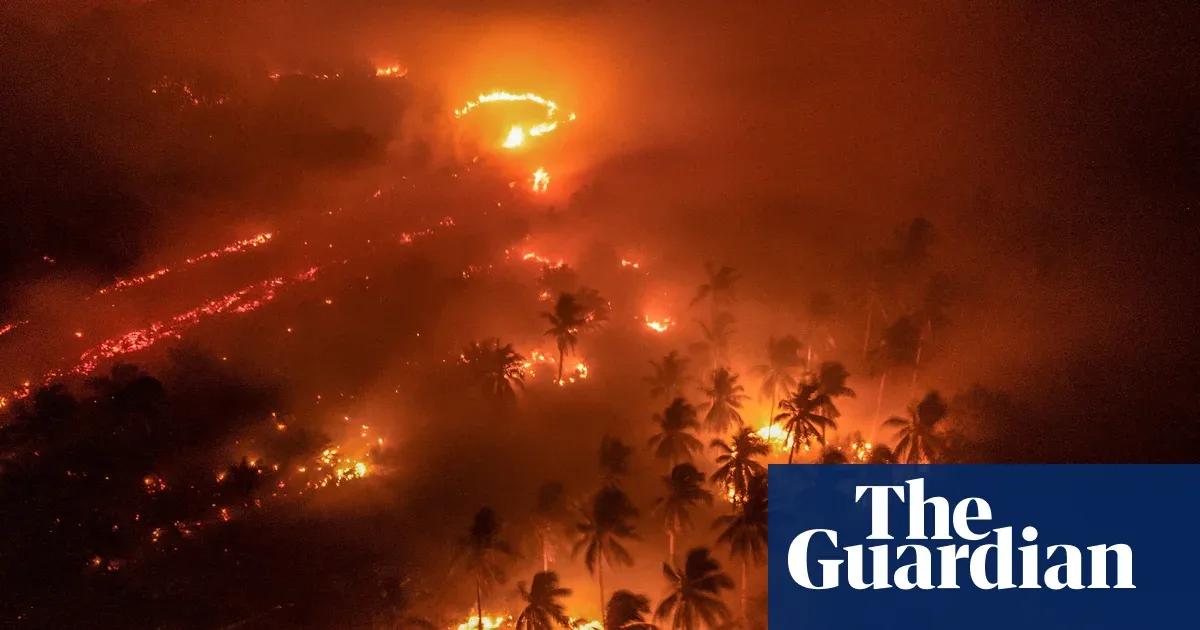
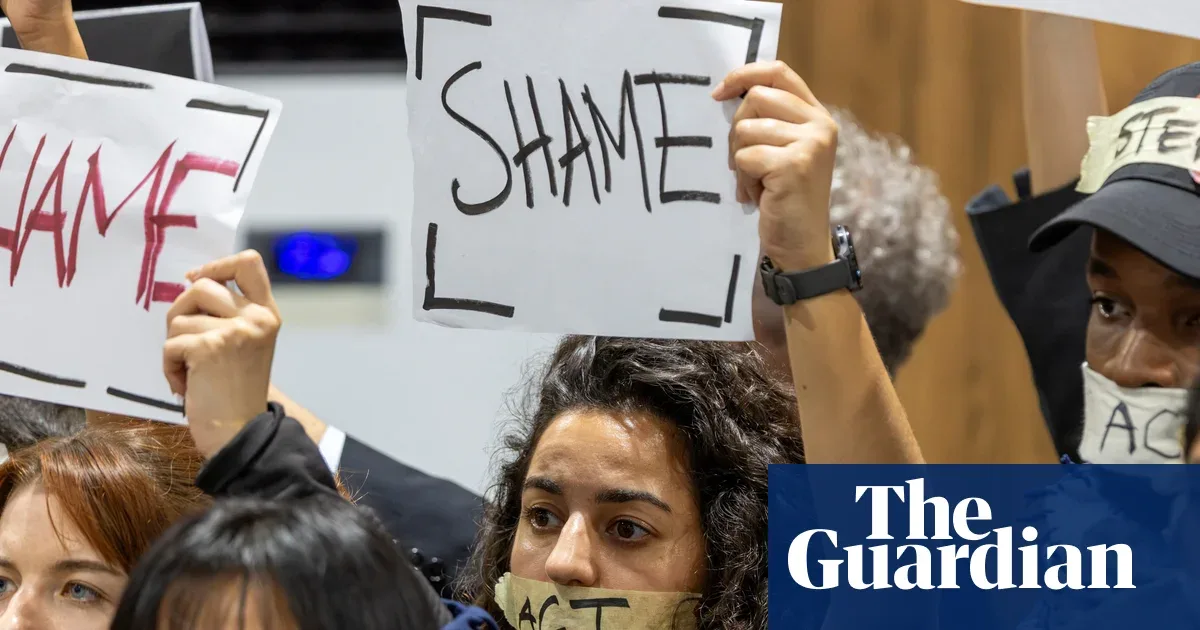
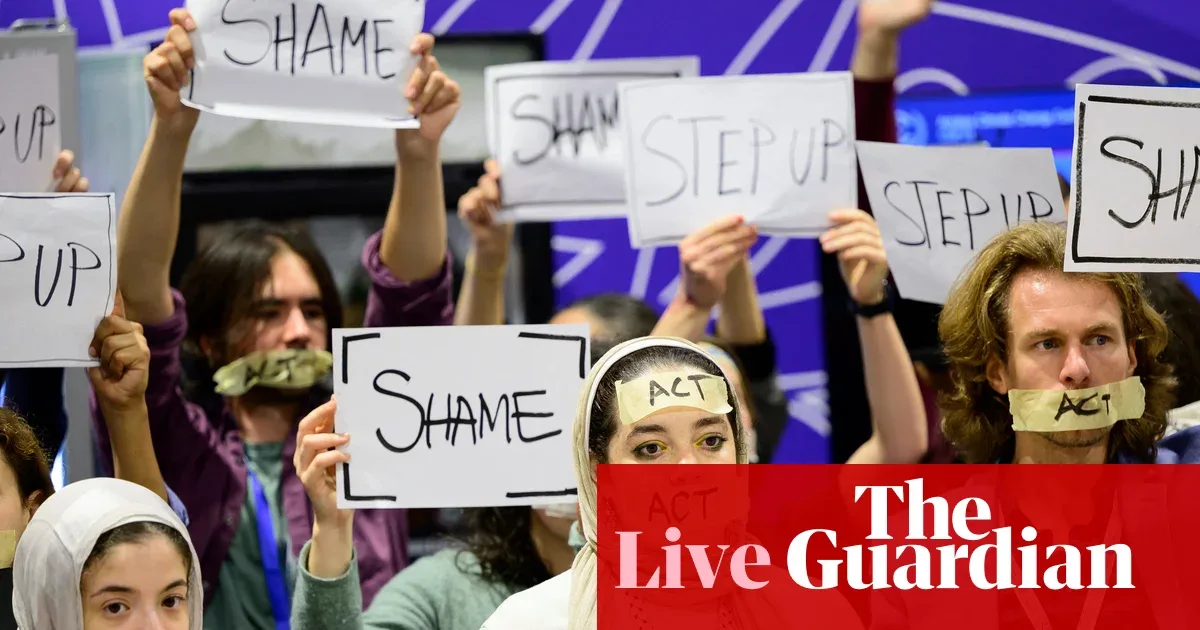
The director of the Potsdam Institute for Climate Impact Research, Johan Rockström, voiced deep concern over maneuvers by several countries seeking to delay completion of the seventh climate assessment report (AR7) of the Intergovernmental Panel on Climate Change (IPCC). According to him, the move could undermine the scientific foundation that has long served as the main reference in global climate negotiations, including the Paris Agreement.
“The IPCC is objective, evidence-based science, and the only reliable footing for policymaking,” Rockström said in an interview on the sidelines of the 31st Conference of the Parties (COP). He stressed that the report is a synthesis of the voluntary work of scientists worldwide, from both the northern and southern hemispheres, so claims that the process carries a particular bias are unfounded.
The dispute has surfaced because several countries, especially Russia, India, and a group of Arab states including Saudi Arabia, want the publication of AR7 delayed until 2029—after the second global stocktake under the Paris Agreement is completed. Their reason: developing countries feel disadvantaged in the process of scientific contribution to the IPCC, and some activists allege racialist assumptions that favor developed countries. Lidy Nacpil of the Asian Peoples’ Movement on Debt and Development, for instance, argued that IPCC mitigation scenarios are biased toward global south interests because they start from cost-efficiency assumptions that tend to place the burden of emission reductions on the south.
Rockström strongly rejected the accusation. He explained that the future pathways analyzed by the IPCC represent diverse socioeconomic realities, including efforts to close income gaps, demographic change, and health projections. “This is objective, evidence-based analysis of reality. We must preserve objective science. Science is not an arena for fighting for justice or human rights,” he said.
The debate is not merely about scheduling. The AR7 report is meant to be the basis for the second global stocktake in 2028, a mechanism that assesses whether countries’ commitments to curb emissions are adequate. Without the report, the evaluation risks losing its latest scientific footing. An expert involved in the process described the delay as “throwing sand into the machine” that could disrupt the course of negotiations.
On the other hand, many developing countries—especially small island states and least developed countries—are pressing for the report to be completed promptly. Nepalese negotiator Raju Pandit Chhetri called the racism accusation against the IPCC a “political line” that does not reflect the urgent need for robust science. “From Nepal, I can say the impact is a matter of hours: thousands of lives lost, not to mention billions of pounds in property damage,” he said.
The IPCC itself reaffirmed its commitment to inclusivity and diversity. Its spokesperson stated that the body has taken institutional steps to implement equity and inclusivity in the seventh cycle, in line with the values of integrity and professionalism. However, it is acknowledged that parts of the process are still dominated by European researchers, although the core committee is run by paired scientists from developed and developing countries.
The tension has reached a critical point because the IPCC will soon hold a meeting to decide its budget. If the budget is not agreed, the chance of completing the report before the 2028 stocktake will shrink. Although technically the issue cannot be resolved at COP, governments gathered in Turkey still have an opportunity to reach a compromise. IPCC Chair Jim Skea even extended his stay at COP31 to continue the talks.
The draft closing decision of COP31 released last Monday touched on the central role of the best available science and the IPCC, as well as the importance of full participation by indigenous peoples, local communities, and developing countries. However, the draft will still be revised several times. Rockström stressed that even if AR7 is delayed, the evidence from AR6 is already sufficient to show that current emission commitments must be raised drastically. “We already have all the evidence we need,” he concluded.
The question now: will countries be able to set aside political differences to preserve the integrity of climate science, or will they let short-term interests erode the foundations of increasingly fragile global cooperation?