Chalk Stream in Hertfordshire: A Rare Ecosystem Threatened by Drought
Baca dalam 60 detik
- Anak 11 tahun mengeksplorasi sungai kapur di River Mimram, Hertfordshire, dan menemukan kejernihan air yang luar biasa serta jejak sarang trout.
- Sungai kapur hanya sekitar 200 di dunia, bergantung pada air tanah, dan menghadapi tekanan akibat musim panas kering.
- Kesadaran akan pentingnya curah hujan bagi kelangsungan ekosistem ini menjadi pesan utama dari catatan lapangan tersebut.
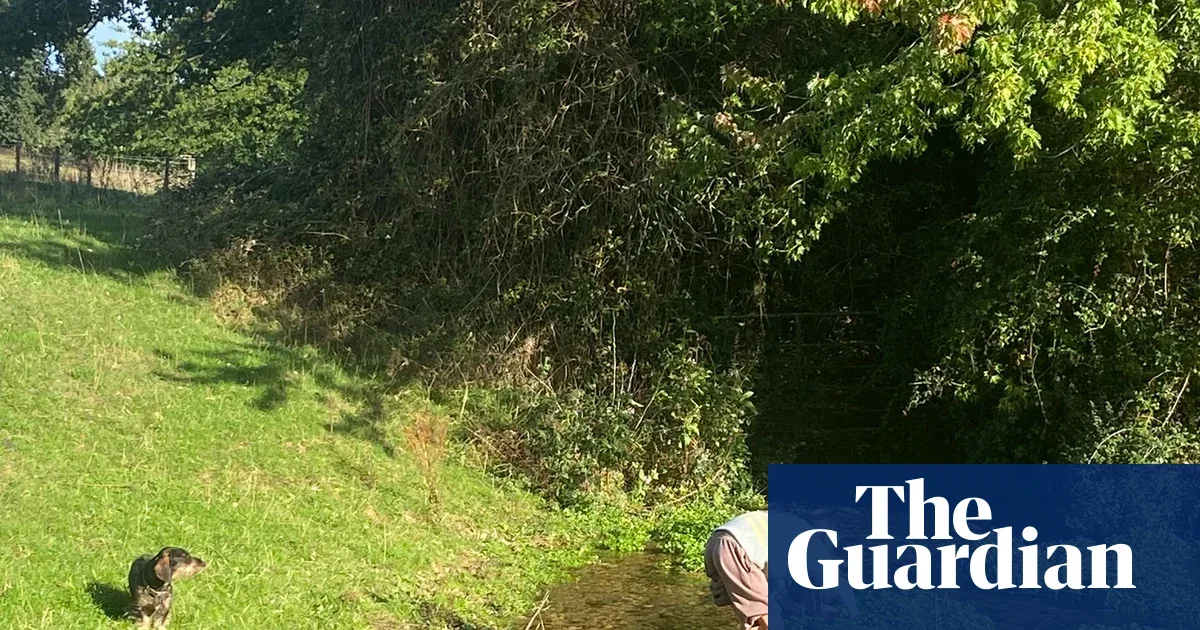
An 11-year-old girl from Hertfordshire, Polly, shared her experience exploring the chalk stream near her home, part of the River Mimram, in a piece published by The Guardian. She was struck by the exceptionally clear and cold water, though it was shallow after a scorching summer. Chalk streams, according to Polly, are among the rarest ecosystems—only about 200 remain worldwide.
The distinctiveness of chalk streams lies in their clear water, filtered through underground chalk rock. Polly observed a riverbed full of glinting gravel, and though tempted to wade in, she felt the chill of water that comes from underground springs rather than from rain runoff. These conditions, she wrote, are ideal for the wild brown trout she was hoping to see.
Autumn is the right time to see trout, because the fish move out onto open gravel to begin their spawning season from October to January. Polly explained that male trout develop brighter colours to attract females, and even if the fish are not visible, changes in the gravel—nest hollows swept by the female's tail—can be a clue. Unfortunately, on this visit, she did not manage to find any trout.
Although Polly's account focuses on a personal experience, the issue it raises touches on a broader environmental question. Chalk streams face a serious threat from climate change and groundwater exploitation. Dry summers reduce water flow, as seen in the shallow condition of the river. In England, chalk streams are protected as a priority habitat, but pressure from development and water abstraction for domestic and agricultural needs continues to test their survival.
Polly's story also highlights the importance of early ecosystem education. She said she learned about ecosystems at school and then applied that knowledge directly in the field. This kind of approach is considered effective in fostering environmental awareness. In Indonesia, similar learning could be adapted to introduce local ecosystems such as rivers, mangrove forests, or coral reefs, which also face similar pressures.
“These precious rivers need rain, and we are so lucky to have magical nature around us,” Polly wrote, closing her account.
Looking ahead, the question is how far chalk stream conservation efforts can keep pace with accelerating climate change. Without sustainable groundwater management and emissions reductions, rivers—like the one Polly observed—may no longer be as cold and clear as they are now. Young people like Polly deserve to inherit rivers that are still alive.