Heidi and the Red Deer in Her Grandmother's Wood: A Symbol of Nature's Resilience Amid Change
Baca dalam 60 detik
- Heidi, bocah 12 tahun asal County Down, Irlandia Utara, akhirnya melihat langsung kawanan rusa merah yang selama bertahun-tahun hidup liar di hutan milik neneknya.
- Hutan kecil di tikungan sungai itu menjadi rumah bagi oak raksasa, beech, badger, rubah, buzzard, dan pelatuk, sekaligus saksi bisu perubahan lanskap akibat penjualan rumah sang nenek.
- Kisah ini menyoroti pentingnya koridor satwa liar di lahan pribadi, yang di Indonesia menghadapi tekanan serupa akibat alih fungsi lahan dan fragmentasi habitat.
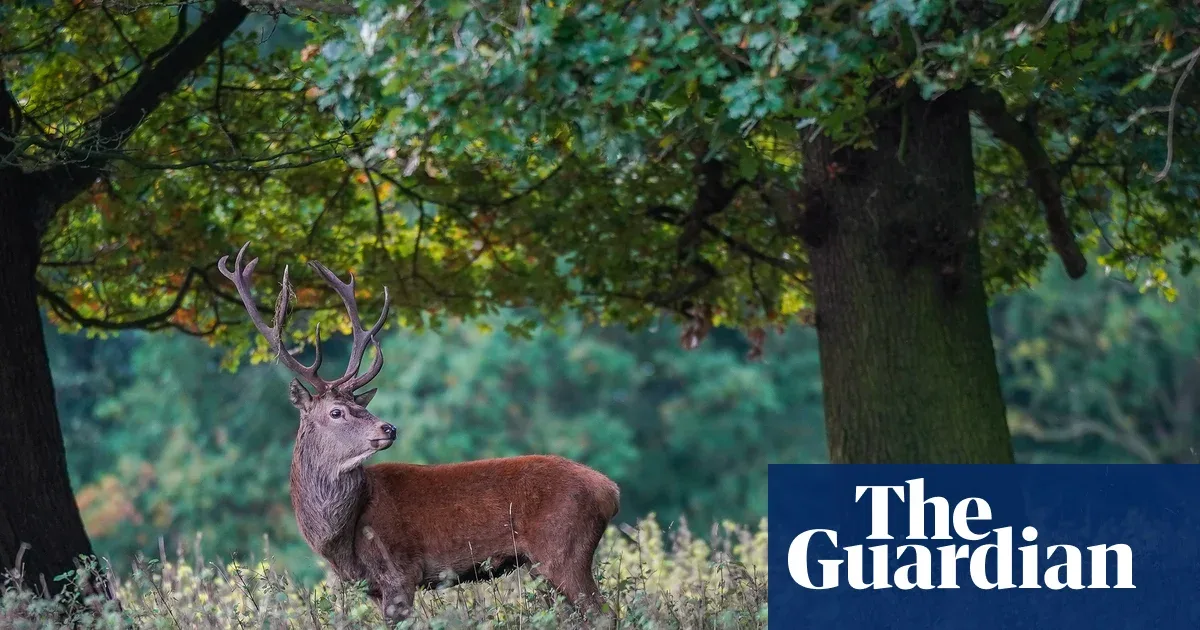
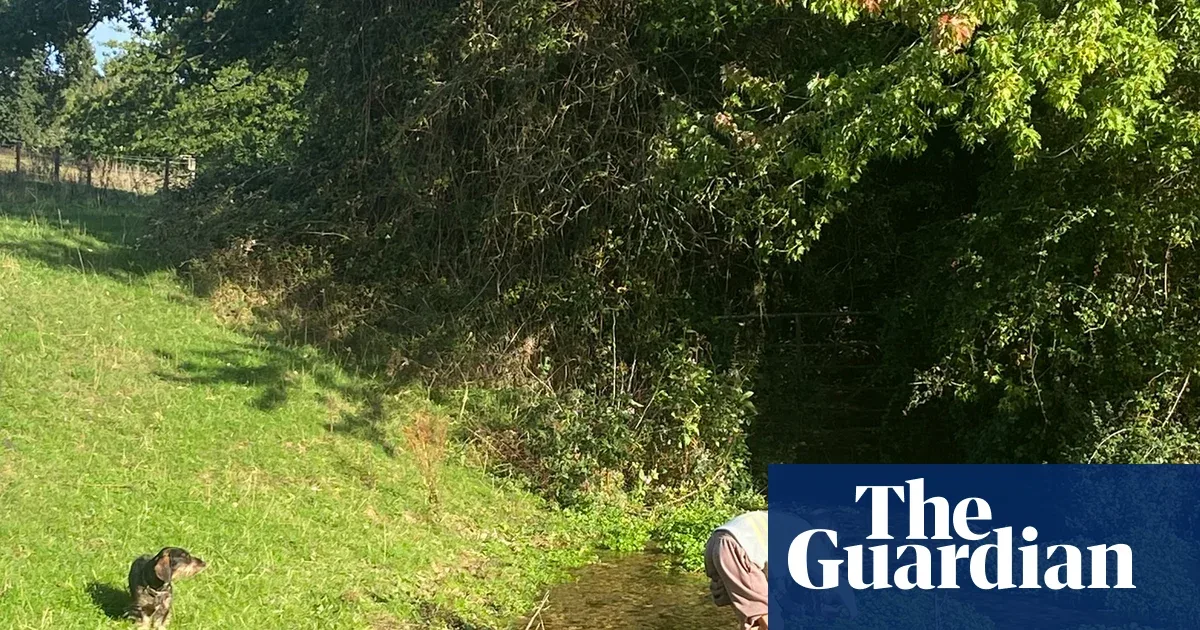
A 12-year-old girl, Heidi, never expected that routine visits to the care home where her grandmother lives would lead to a rare encounter with a herd of red deer—the largest land animal in Ireland—that had been hiding for years in a small wood in County Down, Northern Ireland. It happened late last November, when she and her family walked through the wood that is now her grandmother's only legacy after the house was sold this summer.
The wood is no ordinary wood. Set on a hill at a bend in the river, it is overgrown with giant oak and beech trees, and is home to badgers, foxes, buzzards, and great spotted woodpeckers. There used to be elm trees, but no longer. Most remarkable of all, a number of red deer—one large stag, two young stags, and four hinds—have lived wild there for years after escaping from a nearby deer farm. Heidi's grandmother once told her about them, but Heidi had never seen them herself.
After visiting her grandmother, Heidi's family walked through the wood for the first time since the house was sold. There was a pang of emotion at seeing her grandmother's old garden changed. Along the way, they found a deflated blue number-three balloon—perhaps it had flown in from town—and Heidi's little brother, who had just turned three, was delighted. But the real surprise came when her father whispered and pointed toward two deer: one looked young, one adult. Both vanished instantly behind the trees.
Heidi did not give up. She pushed through thorny bushes, followed footprints, and managed to take a photo, though it was blurry. Unfortunately, her mother called because they had to leave for dinner soon. Though she did not get a clear picture, the experience will stay etched in her memory. “I will never forget the deer in my grandmother's wood,” she said.
Heidi's story may sound simple, but it holds an important lesson about the role of private land in conservation. In many countries, including Indonesia, small forest fragments often become the last refuge for wildlife pushed aside by development. In Northern Ireland, the presence of red deer in a family's inherited wood shows that wildlife corridors can survive if left undisturbed. Yet pressure is always there: changes in land ownership, such as what happened to Heidi's grandmother, can be a hidden threat.
In Indonesia, a similar challenge faces the population of Timor deer (Rusa timorensis) and other endemic animals whose habitats are fragmented by plantations and settlements. Data from the Ministry of Environment and Forestry records that deforestation and habitat fragmentation are the main causes of declining wildlife populations. Heidi's story reminds us that conservation does not always have to mean national parks; private land can play a role too, as long as there is the awareness to protect it.
“The wood is magical. There is so much wildlife there, but I had never seen the deer,” Heidi said, as quoted from her diary.
Going forward, the fate of the small wood in County Down depends on who will manage it after the grandmother's house is sold. Will the new owner keep the wood as a living space for animals, or turn it into productive land? A similar question is relevant for Indonesia: how much do we value the pockets of nature around us, and are we ready to lose unexpected encounters like the one Heidi experienced?