Natural England Rejects AI Data Center, UK Government Threatens to Abolish Environmental Body
Baca dalam 60 detik
- Natural England menolak izin data center AI 40MW di Avonmouth karena mengancam habitat burung migran dan kawasan lindung.
- Pemerintah Inggris berencana membubarkan Natural England dan Environment Agency yang dianggap menghambat pembangunan infrastruktur AI.
- Keputusan ini memicu kekhawatiran pelemahan regulasi lingkungan demi percepatan ekonomi digital, dengan 300 proyek data center menunggu koneksi listrik.
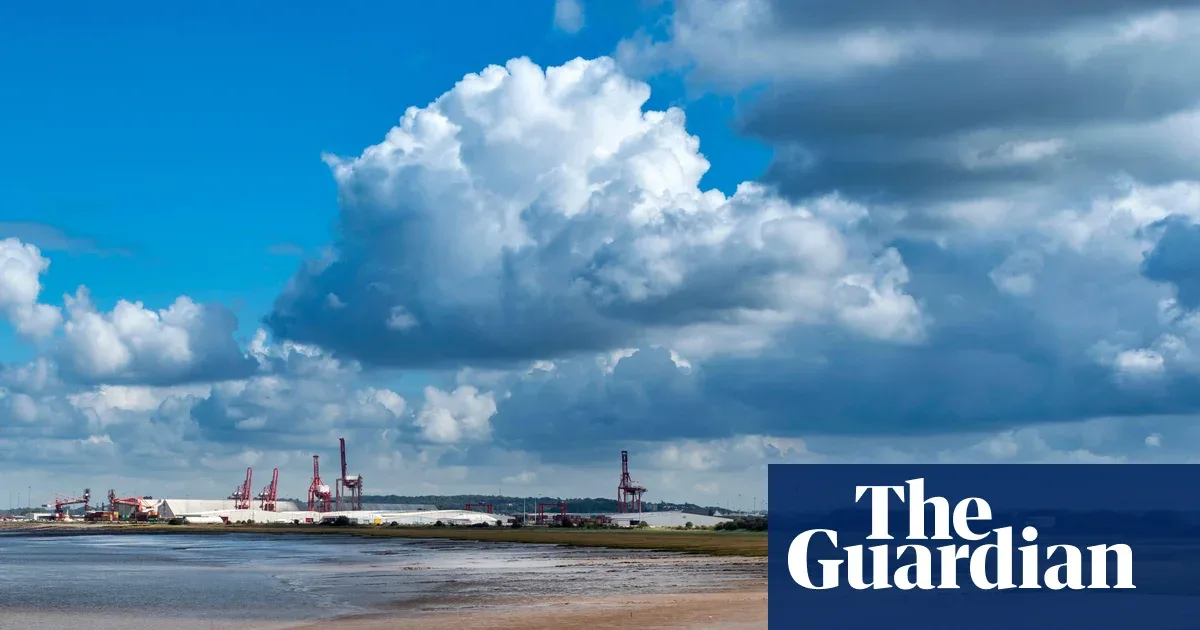
Natural England's rejection of a 40MW AI data center development in Avonmouth, near Bristol, has triggered open conflict with the UK government. The independent environmental advisory body judged that the project threatens rare bird species and protected habitat in the Severn Estuary, one of the most important sites for migratory birds in the UK, located just 600 meters from the site.
Weeks after the rejection letter was sent to Bristol City Council, Environment Minister Louise Haigh—who also serves as deputy prime minister—signaled that Natural England and the Environment Agency could be abolished. Haigh accused the quasi-autonomous non-governmental organizations (quangos) of obstructing development. The UK government is pushing to accelerate AI data center construction as the backbone of economic growth, with more than 300 projects in the grid connection queue whose total demand reaches 73GW—nearly twice the national winter peak electricity demand.
Beyond flood risk—the site lies on a high-risk floodplain—the Environment Agency highlighted the developer's scant information on water usage volume and potential groundwater contamination. Natural England also noted that the developer's noise analysis had not included impacts on Hallen Marsh, 270 meters away. Bristol City Council concluded the proposal could cause "significant environmental effects" and requested a full environmental assessment.
"Regulators like Natural England were set up to carry out acts of parliament. If we want decisions about nature to be based on science, not on the interests of the last corporation the minister met, then independent bodies like this are absolutely essential," said Craig Bennett, CEO of the Wildlife Trusts.
The government denies that the rejection of the Avonmouth project or Natural England's cautious stance influenced the abolition threat. However, the move sharpens the debate over how far environmental regulation may be loosened in pursuit of digital investment. Mary Stevens of Friends of the Earth judged that Natural England has done its job well. "I wouldn't trust decisions to be made by ministers, because they won't be independent in protecting nature," she said.
Developer Rivington Energy said it valued input from both bodies and was committed to continuing the planning process constructively. It claimed to have conducted environmental and technical assessments and was preparing additional studies to support the next stage. Meanwhile, the Wildlife Trusts launched a petition to keep Natural England, citing the body's role since the 1940s in protecting wildlife, land, water, and seas in the UK.
Indonesian Context
The tension between accelerating digital infrastructure and environmental protection is also relevant to Indonesia. The Indonesian government is pushing the development of national data centers and AI connectivity, including strategic projects in Batam and Special Economic Zones. However, the environmental regulatory framework—such as the Environmental Impact Assessment (Amdal)—remains a key instrument for preventing similar conflicts. If the UK—a country with a strong tradition of environmental regulation—is facing pressure to loosen oversight, Indonesia needs to be vigilant so that digital acceleration does not sacrifice conservation and the rights of local communities.
Going forward, the UK government's decision on the fate of Natural England will be a test of that country's commitment to sustainable development. Will permitting efficiency override the precautionary principle, or will the independent body be retained as the last guardian of the ecosystem? The answer will affect the direction of climate and digital policy in many countries, including Indonesia.