London Opens Public Consultation on Age of Sexual Consent, Tightens NDAs
Baca dalam 60 detik
- Pemerintah Inggris meluncurkan konsultasi publik untuk menimbang penerapan batas usia persetujuan seksual berjenjang, yang membedakan batas usia berdasarkan selisih umur pasangan.
- Aturan baru tentang perjanjian kerahasiaan (NDA) akan berlaku lebih cepat pada Januari 2027, membatalkan klausul yang menghalangi korban melaporkan pelecehan atau diskriminasi.
- Langkah ini muncul setelah kasus-kasus kekerasan seksual yang melibatkan selebritas memicu desakan perubahan hukum, sementara oposisi mempertanyakan efektivitas penegakannya.
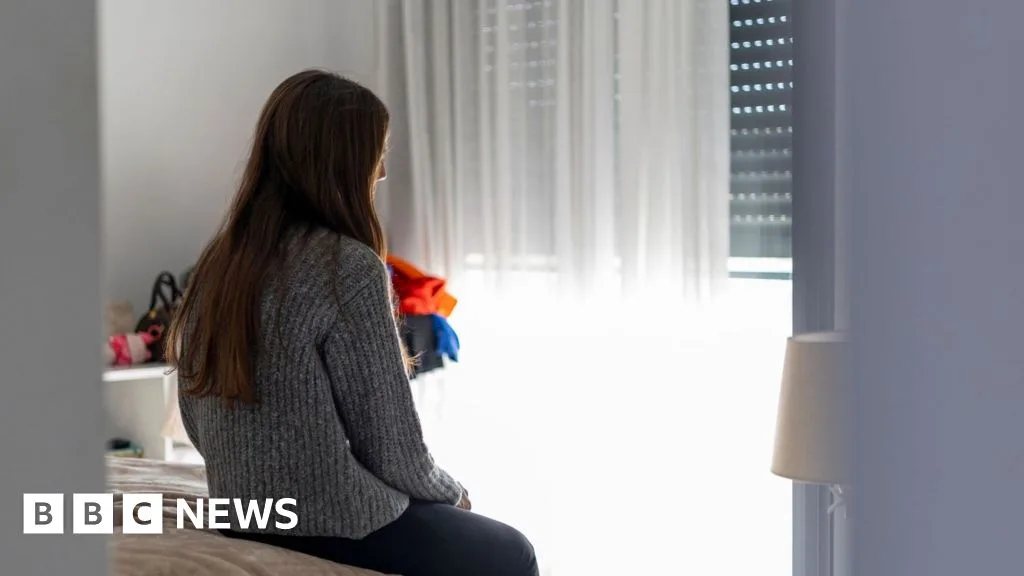
The UK government has officially opened a public consultation to review the possible introduction of a tiered age of sexual consent, a policy that has long been debated among child protection activists and victims of sexual violence. Prime Minister Andy Burnham stressed that input from survivors, parents, young people, and victim support organizations will be the main consideration before new rules are drafted.
Currently, UK law allows adults of any age to have sexual relations with teenagers aged 16 and 17. However, a number of campaigners consider the single age limit too loose and argue it ignores unequal power relations. They are pushing for age limits differentiated by the age gap between the two parties, as applied in Canada—where the age of consent is 16, but a 14- or 15-year-old can consent as long as their partner is no more than five years older.
At the same time, the government announced it is accelerating the implementation of restrictions on non-disclosure agreements (NDAs). The regulation, originally scheduled to take effect later, will now come into force in January 2027. The rule voids confidentiality clauses in new NDAs if they prevent employees from reporting harassment or discrimination, or stop victims from reporting a crime. The changes also cover NDAs signed outside the workplace, so that victims of crime retain the freedom to speak to anyone, including the media, even after signing such an agreement.
Prime Minister Burnham wrote in The Guardian that NDAs should protect sensitive business information or commercial interests, not protect powerful people who harass or discriminate against women. He committed to continuing to ensure NDAs are not misused to silence others, including freelancers, employees, and fans who experience harassment.
"I want to ensure not only that victims can speak about the harassment they have experienced, but also that they have the opportunity to challenge the status quo," Burnham said.
Zelda Perkins, founder of the group Can't Buy My Silence, welcomed the move. According to her, the new law will preserve the integrity of the legal system, which must not be used to protect perpetrators at the expense of victims. Perkins herself once felt forced to sign an NDA related to harassment allegations against her former boss, film producer Harvey Weinstein, and in 2017 she told the BBC that she tried to speak out but was blocked by the confidentiality agreement.
The issue resurfaced after a series of sexual violence cases involving public figures. Mia Latter, one of six women who accused comedian Russell Brand of rape in 2023, called for a change to the age of consent. Latter claims she was raped by Brand when she was 16 and Brand was 30. Brand denies all the allegations, and none of the six women was a complainant in the latest criminal trial. In the same week as the Brand verdict, the media reported sexual harassment allegations against actor David Walliams; he firmly denies all the allegations and denies ever having sexual contact with an underage girl.
On the political side, Conservative Party leader Kemi Badenoch described the idea of a tiered age limit as having "common sense," but questioned whether the new law could be enforced. She also highlighted the government's inconsistency in discussing the age of sexual consent while planning to lower the voting age to 16. The debate illustrates the tension between child protection and broader political participation rights.
For Indonesia, the UK's move could serve as a mirror. The new Criminal Code (KUHP), which will take effect in 2026, sets the age of sexual consent at 18, but does not yet accommodate a tiered age limit based on age difference. A similar discourse surfaced in discussions of the Child Protection Bill, but has not become a legislative priority. Meanwhile, the practice of NDAs in Indonesia is still often used in resolving workplace harassment cases, and stricter rules on the limits of NDAs could strengthen victims' position.
Going forward, the public consultation in the UK will be a test case for a regulatory model that balances legal protection and individual rights. Can a tiered approach reduce sexual violence against teenagers, or will it instead create enforcement complexity? The answer will depend on how inclusive the consultation process is and how firmly the rules are implemented on the ground.