Brussels' Kanal: From Citroën Garage to the Largest Contemporary Art Museum, But Can It Last?
Baca dalam 60 detik
- Kanal-Center Pompidou resmi dibuka di Brussels, menempati bekas garasi Citroën seluas 40.000 meter persegi setelah renovasi 10 tahun senilai €230 juta.
- Museum ini mengusung konsep ruang publik inklusif dengan toko roti, perpustakaan, dan taman bermain anak, menandai era baru institusi seni yang tidak sekadar galeri.
- Tantangan finansial membayangi: direktur utama mundur akibat pemotongan anggaran, dan mulai 2028 museum dituntut mandiri secara finansial.
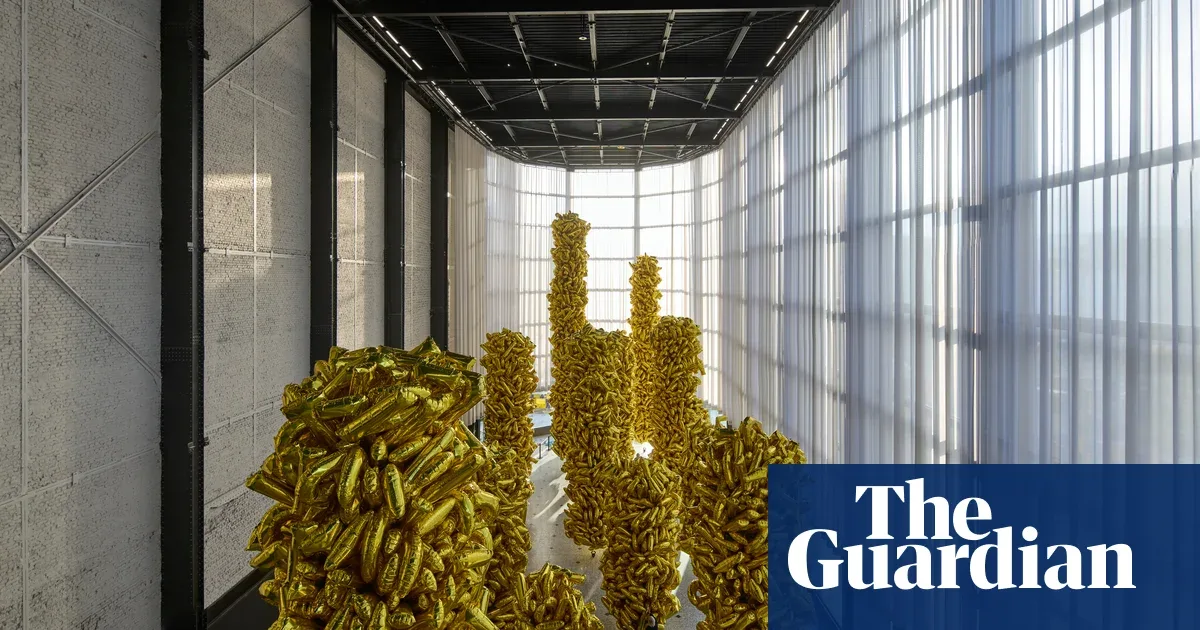
Brussels finally has a dedicated modern and contemporary art museum after decades without one. On 28 November, Kanal-Center Pompidou opened to the public, occupying a vast former Citroën garage on the banks of the Charleroi Canal. The €230 million (around Rp3.9 trillion) project is one of Europe's largest industrial building conversions, spanning 40,000 square meters—half of it freely accessible—surpassing Tate Modern in London.
Rather than just a gallery, Kanal is designed as a “city within a city”. Inside there is a bakery, a library, a restaurant, workshop spaces, and an indoor children's playground. Director General Yves Goldstein stressed that vision: “We want to erase the boundary between public space outside and inside.” The concept answers criticism that art museums often feel exclusive and remote from everyday life.
Architecturally, the project preserves the 24-meter-high glass facade and the original 1930s steel structure, while inserting three new cube-shaped buildings clad in ribbed glass. The Atelier Kanal architecture team—a joint effort by Sergison Bates (London), noAarchitecten (Belgium), and EM2N (Switzerland)—even moved their offices into the building to ensure a meticulous conservation approach. “We are only adding a new layer,” said Stephen Bates, a co-founder of Sergison Bates. “Visitors won't be able to tell what is new and what has been restored.”
Yet behind the glitter of the opening, Kanal faces a tough test. Last May, Yves Goldstein abruptly resigned after ten years leading the project, following cuts to the annual budget promised by the government. A government spokesperson stated that from 2028 Kanal must seek private donors “and gradually become financially self-sufficient.” The burden is not light: operating costs for a museum of this size can reach tens of millions of euros per year.
Tate Modern has faced similar concerns. The £260 million Blavatnik extension completed in 2016 is now largely closed to the public due to low visitor numbers. Art critics in Brussels have also highlighted the partnership with the Centre Pompidou in Paris, which they consider expensive and colonial in flavor. In response, Goldstein confirmed that only one of the ten opening exhibitions features the Pompidou collection. The rest showcase local artists and themes such as Congolese history and the right to housing.
“This city has a traumatic history of modernization, with massive demolitions in peacetime. But that is precisely what makes it fertile ground for new spatial practices,” said Nikolaus Hirsch, director of Kanal Architecture.
On the other hand, Kanal offers an experience rarely found in conventional museums. Visitors can watch bread being baked through glass windows, play in an adventure garden designed by the collective Assemble, or relax on a free rooftop terrace overlooking the city. There is even a reading room without screens or QR codes—a “shelter” from the digital bustle, according to Goldstein.
For Indonesia, the Kanal project is a mirror of how major cities around the world turn abandoned industrial assets into cultural centers that drive the creative economy and tourism. Jakarta, for instance, has many former warehouses and factories in its old town area that could potentially be revitalized with a similar approach—not merely a museum, but a multifunctional public space involving residents. The challenge, of course, lies in funding and consistent maintenance, as Brussels is now facing.
Going forward, Kanal's future will depend on its ability to attract visitors and donors. If it succeeds, it could become a new model for an inclusive and sustainable 21st-century museum. But if it fails, it will be merely a grand monument without a soul. Will Brussels be able to fill this giant space, or will it repeat Tate Modern's mistakes?