MPs Ground Heathrow Third Runway: Growth Claims Collapse to 0.05% of GDP
Baca dalam 60 detik
- The UK Parliament's transport committee concluded that the government's case for a third Heathrow runway fails on all four tests: economic growth, climate, noise, and air quality.
- Official modelling shows the expansion would lift GDP by only 0.05%, far below earlier estimates of 0.5%, undermining the rationale for fast-tracking the project.
- Heathrow Airport Ltd still aims to secure planning consent by 2029, but political backing is fraying as the government's climate commitments and local opposition intensify.
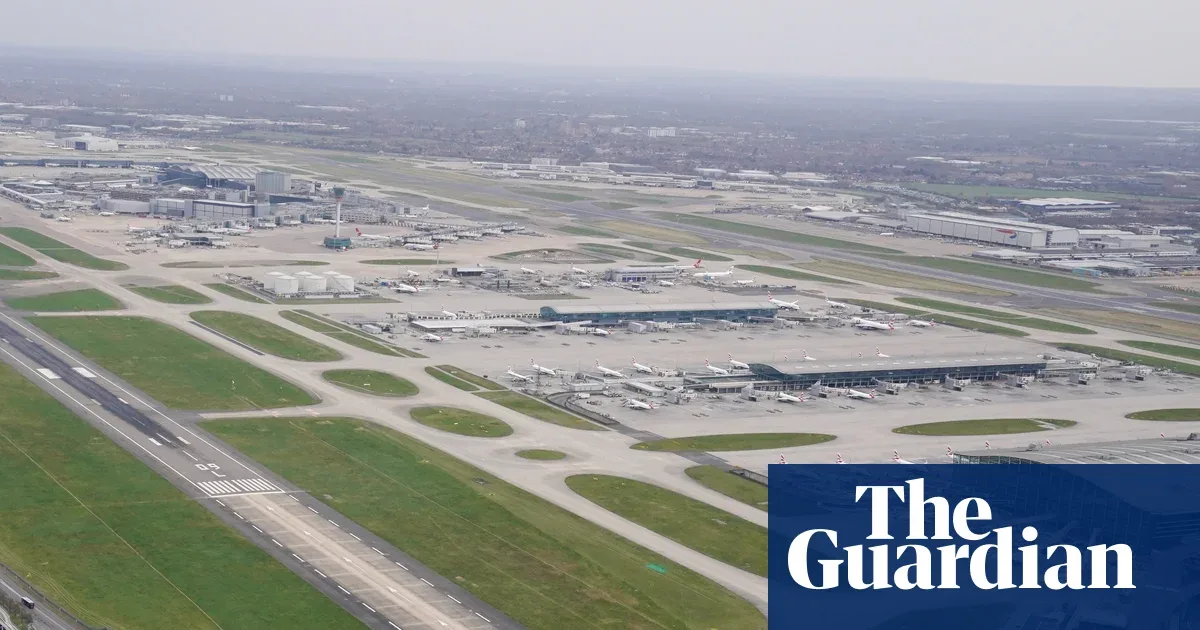
UK ministers have not made a convincing case for a third runway at Heathrow, according to a parliamentary report that throws the £33bn expansion into fresh doubt. The Commons transport committee said on Thursday that the government's policy papers fail to demonstrate that the project would deliver promised economic benefits without breaching legally binding climate targets.
The committee's chair, Ruth Cadbury, said the plans “should be grounded” and urged the government to “go back to the drawing board”. The report found a “complete disjoint” between the expansion proposal and the absence of a wider aviation strategy—a gap that leaves ministers unable to justify designating the runway as a critical national priority.
At the heart of the rebuke is a stark numbers problem. Modelling commissioned by the Department for Transport now projects that a third runway would boost GDP by just 0.05%, a tenth of the 0.5% gain previously cited. That downgrade, the committee said, does not warrant the fast-track designation the government has granted the project.
Climate compatibility is the second fault line. The report states that the additional carbon dioxide emissions from the expanded airport cannot be offset elsewhere in the economy, and that any potential compatibility relies too heavily on technologies such as greener fuel and carbon capture that are “nowhere near the necessary trajectories”. MPs also rejected the idea that reversing hard-won improvements in local air quality is an acceptable trade-off, noting that the policy statement ignores World Health Organization guidelines and emerging pollutants.
On noise and surface transport, the committee found similar gaps. It said the government has yet to set out how noise mitigation commitments would be “secured and delivered”, and described the absence of clear, funded plans to improve public transport access to an expanded Heathrow as “highly concerning”. The report concludes that expansion “should not go ahead at any price, or at any cost to society or the environment”.
“Our report should be a wake-up call for ministers. Plans for a third runway should be grounded for now and the government should go back to the drawing board before proceeding any further.” — Ruth Cadbury, chair of the Commons transport committee
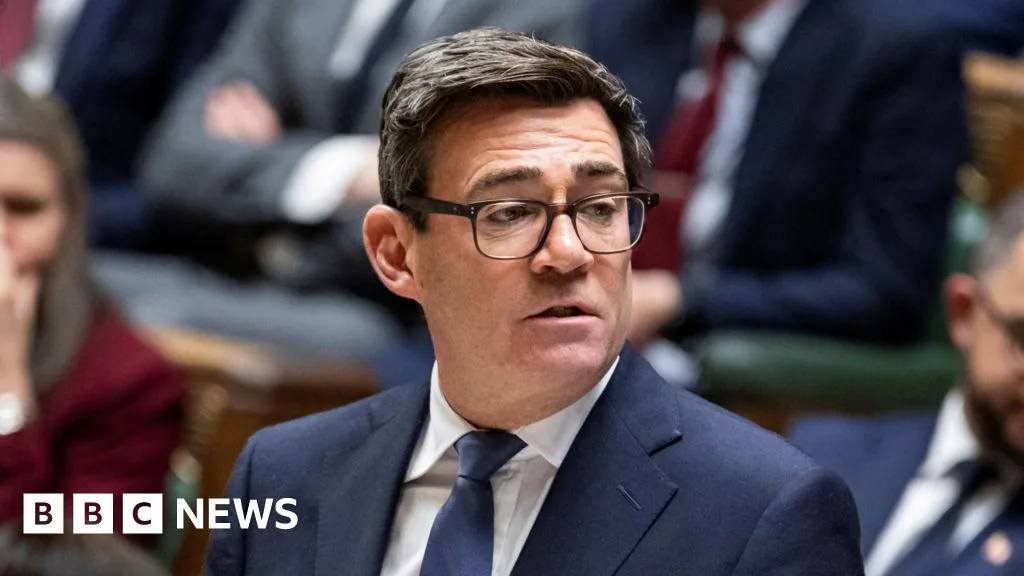
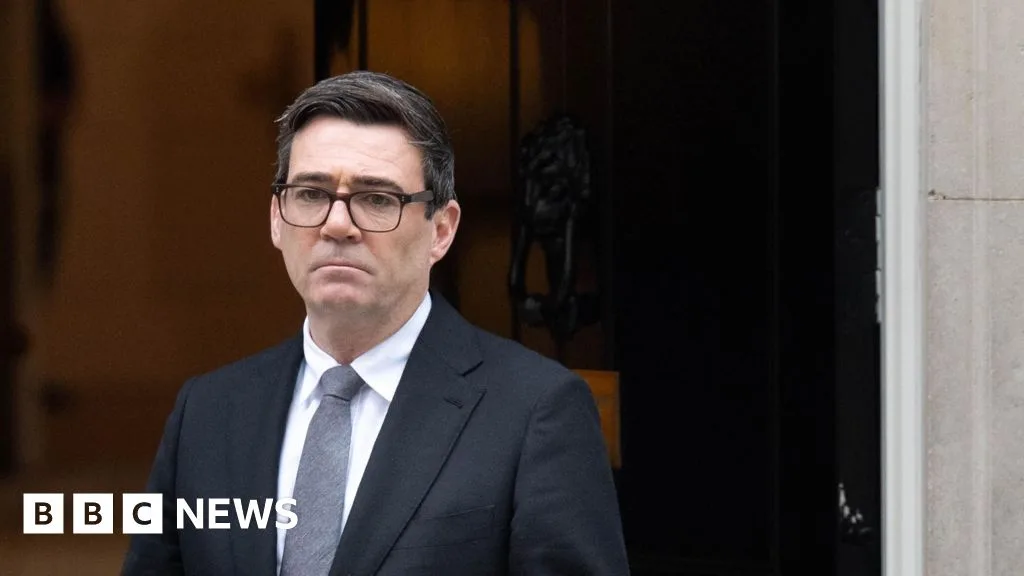
The political ground is shifting. The previous government under Keir Starmer strongly backed the runway, with then chancellor Rachel Reeves among its most vocal supporters. But Andy Burnham, now a key figure in the debate, has historically opposed the expansion and has only said it is “a matter for Londoners”—leaving his continued support in doubt. Chancellor John Healey and Transport Secretary Heidi Alexander insist the project remains government policy, and the Conservatives and Reform UK have recently voiced strong support. Yet the committee's findings give wavering MPs a fresh reason to pause.
Heathrow's chief executive, Thomas Woldbye, pushed back, arguing that the “overwhelming weight of evidence and support remains strongly behind Heathrow expansion”. He cited backing from trade unions, business groups, airlines, regional airports, senior cabinet ministers and a majority of MPs, and said the project has been examined more thoroughly than almost any other modern British infrastructure scheme. Heathrow also released polling on Wednesday suggesting three-quarters of Labour MPs back the plan.
Campaigners, however, seized on the report as proof that the project should be halted. Friends of the Earth said continued government support “would be flying in the face of the evidence”, while Greenpeace argued that the expansion would be the antithesis of Burnham's stated aim of good growth in every postcode, “draining jobs away from the rest of the country while bringing more traffic and pollution to south-west London”.
The report lands as Indonesia and other emerging economies weigh their own aviation expansion against climate commitments. For UK investors, the message is that regulatory risk around Heathrow is far from resolved: the project's timeline now hinges on whether ministers can produce a credible aviation strategy that squares economic promises with carbon budgets. The coming months will test whether the government can reconcile those competing pressures—or whether the third runway remains grounded for good.