UK Net Migration Plunges to 77,000 as Burnham Claims Control Achieved
Baca dalam 60 detik
- Angka migrasi neto Inggris turun tajam menjadi 77.000 pada tahun hingga Juni 2025, terendah sejak 1997 di luar masa pandemi.
- Penurunan didorong oleh berkurangnya kedatangan pekerja, pencari suaka, dan pelajar dari luar Eropa setelah pengetatan visa.
- Perdana Menteri Andy Burnham menyebut capaian ini sebagai awal kendali yang memadai, namun menegaskan masih ada pekerjaan rumah.
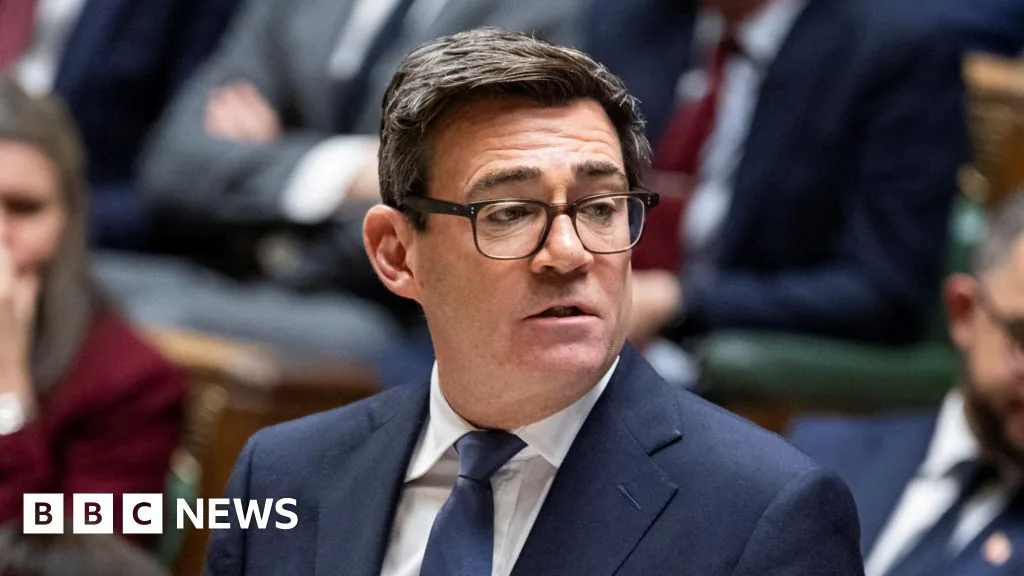
UK Prime Minister Andy Burnham said the country now has "a sufficient degree of control" over net migration, after the figure fell to 77,000 in the year ending June 2025. Data from the Office for National Statistics (ONS) released on Thursday (this figure) was the lowest since 1997, excluding the Covid-19 pandemic period, and immediately sparked political debate over who can claim credit for the success.
The sharp decline was driven mainly by fewer arrivals from outside Europe across three main categories: workers fell by 45,000, asylum claims fell by 19,000, and the number of students fell by 33,000. Previously, in the 12 months before that, net migration stood at 204,000, with a peak of 944,000 in the year to March 2023. The latest figure also answers David Cameron's old 2010 pledge to target net migration below 100,000.
Burnham, speaking to broadcasters, acknowledged that the decline answered the public's desire for greater control. "I won't say all the work is done and I don't want to appear complacent, but I think as a country we have finally reached the position the public long wanted," he said. He also dismissed the notion that Brexit had strengthened immigration control, saying Brexit had in fact weakened that control.
The Conservative Party claimed the decline was the fruit of its policies while in power, while Reform UK judged the figure "no cause for celebration". Shadow Home Secretary Chris Philp stressed the need for a legally binding annual migration cap in parliament at a much lower level. He also accused Labour's high taxes of driving British and European citizens to leave, while non-EU immigration remained too high.
The Liberal Democrats' spokesperson on asylum and immigration, Paul Kohler, warned that the UK faces serious demographic and economic challenges and therefore needs a proper immigration plan to support the economy and public services. Meanwhile, Reform UK leader Nigel Farage welcomed the decline but was concerned about the departure of many skilled workers paying high taxes, replaced by people with far smaller tax contributions.
"Creating a hostile environment for migrants and asylum seekers is not a measure of success," said a Green Party spokesperson, criticising the narrative that celebrated the decline.
On the other side, Robert Jenrick, Reform UK's Treasury spokesperson who defected from the Conservatives, claimed the decline was purely due to his threat to resign from the cabinet in 2023, which forced then Prime Minister Rishi Sunak to make a series of immigration policy changes. However, he acknowledged those changes had not gone as far as he wanted.
For Indonesia, the decline in UK net migration could mean fewer opportunities for Indonesian skilled workers and students who want to study or work there, as visa tightening continues. The policy also serves as a mirror for other destination countries in balancing economic needs and domestic political pressure.
Looking ahead, the question is whether this decline will hold or reverse if the UK economy needs more foreign workers in critical sectors. With political pressure still high, the UK government appears set to keep tightening migrant selection, while seeking ways not to lose the global talent that contributes to growth.